
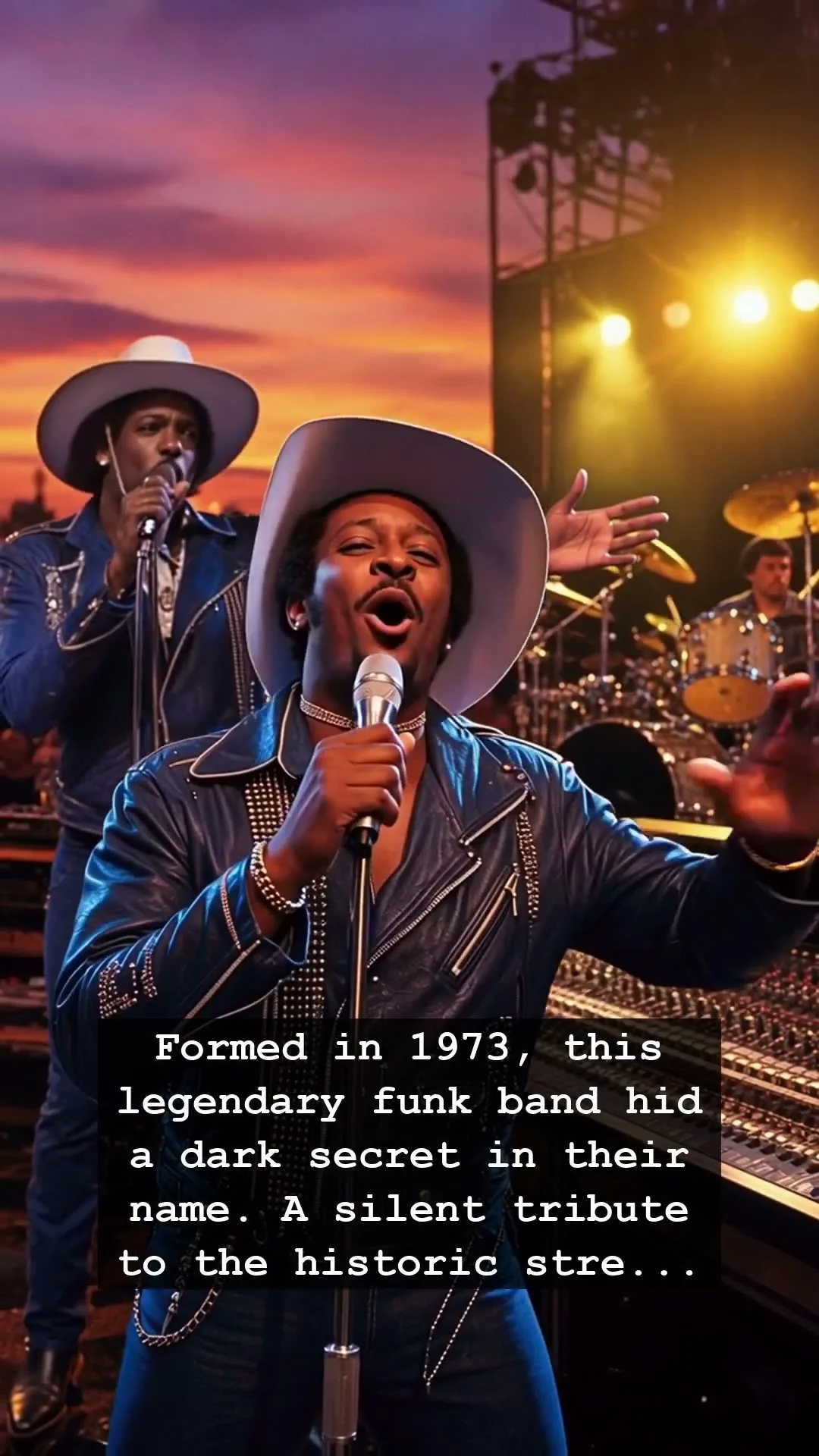
When the synthesizer hums and that infectious, bass-heavy groove of the early eighties kicks in, it is almost impossible not to move. For many of us, the sound of The Gap Band brings back vivid memories of neon-lit dance floors, the rhythmic clicking of a cassette tape sliding into a Walkman, and the raw energy that defined the funk era. We danced to hits like You Dropped a Bomb on Me, mesmerized by their stage presence and the tight, percussive perfection of their music. Yet, behind the glitter and the infectious beats of this legendary trio, there lay a somber, haunting secret that most listeners never dared to whisper. The name of the group itself was not merely a random creative choice; it was a silent, solemn tribute to a tragedy that had been largely erased from the history books for decades.
Formed in 1973 by brothers Charlie, Ronnie, and Robert Wilson, The Gap Band stood at the center of the funk movement. Their name was an acronym, but it did not refer to music theory or fashion trends. Instead, it stood for the streets of Greenwood, Archer, and Pine—the pillars of the historic Greenwood District in Tulsa, Oklahoma. This vibrant community, often dubbed the Black Wall Street of the early twentieth century, was systematically destroyed during the horrific 1921 Tulsa Race Massacre. By keeping these three street names alive on every record label and radio broadcast, the brothers ensured that the memory of that lost neighborhood would never truly vanish, even as the world danced to their rhythm.
As you look back at that golden era of music, it becomes clear that The Gap Band was doing something profoundly radical. In the years following the peak of the Civil Rights movement, while other artists were caught in the glitz of disco or the commercialism of emerging MTV trends, these brothers were weaving historical pain into the fabric of popular culture. They transformed the memory of a dark, suppressed American trauma into a foundation for resilience and joy. It is a chilling juxtaposition: the high-energy funk that soundtracked our nights out in the late seventies was built upon the foundation of a community that had been burned to the ground.
This is the hidden depth of the music we grew up with. When we listen to The Gap Band today, we are hearing more than just funk; we are hearing a testament to a family’s heritage. The resilience required to rise from the ashes of a local tragedy and dominate the national airwaves is the true soul of their legacy. It reminds us that our favorite classic hits often hold layers of meaning that deserve our attention and respect.
Next time you hear that iconic synth opening, take a moment to reflect on the trio behind the sound. The Gap Band gave us the beat, but they also gave us a piece of history that refused to be forgotten. Their music remains a powerful bridge between the past and the present, ensuring that even in our moments of celebration, we never lose sight of the stories that shaped us. It is time to listen with a fresh perspective and honor the silent tribute hidden in their name.