
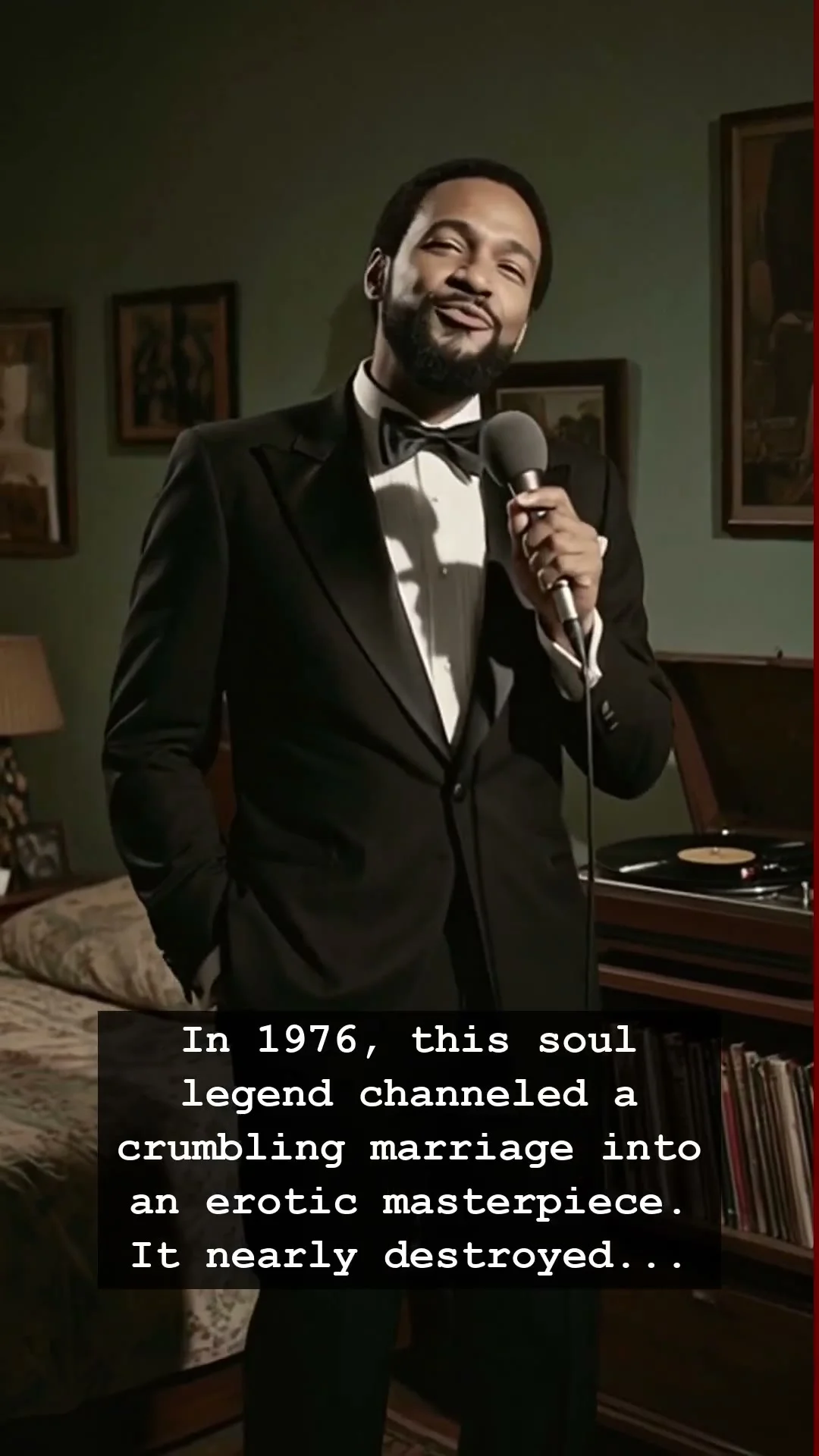
In 1976, the airwaves were dominated by the polished pulse of disco and the glitz of Studio 54, but behind the velvet curtains of the recording studio, the Prince of Motown was unraveling. Marvin Gaye, a man whose voice defined the soulful intimacy of an entire generation, found himself trapped in a marriage that was as toxic as it was transformative. His union with Anna Gordy, the sister of Motown founder Berry Gordy, had dissolved into a battlefield of resentment and legal warfare. Out of this wreckage, Marvin Gaye birthed I Want You, an erotic masterpiece that pushed the boundaries of soul music and nearly cost him his artistic reputation.
It is difficult to overstate how deeply personal this project was for Marvin Gaye. While the public expected the smooth, socially conscious soul that had made What’s Going On a landmark achievement, they received something far more visceral and unsettling. The album was a sonic portrait of a man drowning in his own obsessions. Every whispered lyric and layered vocal harmony felt like a desperate cry from a broken heart, yet it was masked by a slick, seductive production that caught listeners off guard. It was the sound of a man trying to exorcise his demons through a lens of pure, unadulterated desire.
The friction was palpable. Marvin Gaye was not just battling his wife in court; he was battling the expectations of a label that demanded commercial hit-making machine stability. By choosing to steer his artistry into the dark, murky waters of sexual obsession and emotional volatility, he defied the standard Motown blueprint. He took his internal decay and turned it into an atmosphere that felt heavy with humidity, smoke, and unspoken truths. It was a bold departure, a record that traded the optimism of the mid-sixties for the fragmented, cynical beauty of the late seventies.
Listeners of the era, accustomed to the bright melodies of the jukebox and the high-energy anthems of the disco floor, were initially bewildered. Critics wondered if Marvin Gaye had lost his way, distracted by his own psychological unrest and the chemical pressures that shadowed many legends of that decade. However, history has been much kinder to this work. Today, I Want You is recognized not as a career misstep, but as a courageous act of vulnerability. It remains a masterclass in how an artist can channel the most painful experiences of human existence into something that resonates with a timeless, haunting quality.
The legacy of Marvin Gaye is often defined by his greatest hits, but it is in the shadows of his more complex works where his true genius resides. He managed to capture the essence of a crumbling life and coat it in gold, proving that even the most fractured hearts can produce a masterpiece. Decades later, we still reach for his records when we need to feel understood. Perhaps the next time you drop the needle on a vintage pressing, you will hear more than just music; you will hear the echo of a man who bared his soul so completely that he changed the landscape of popular music forever.