
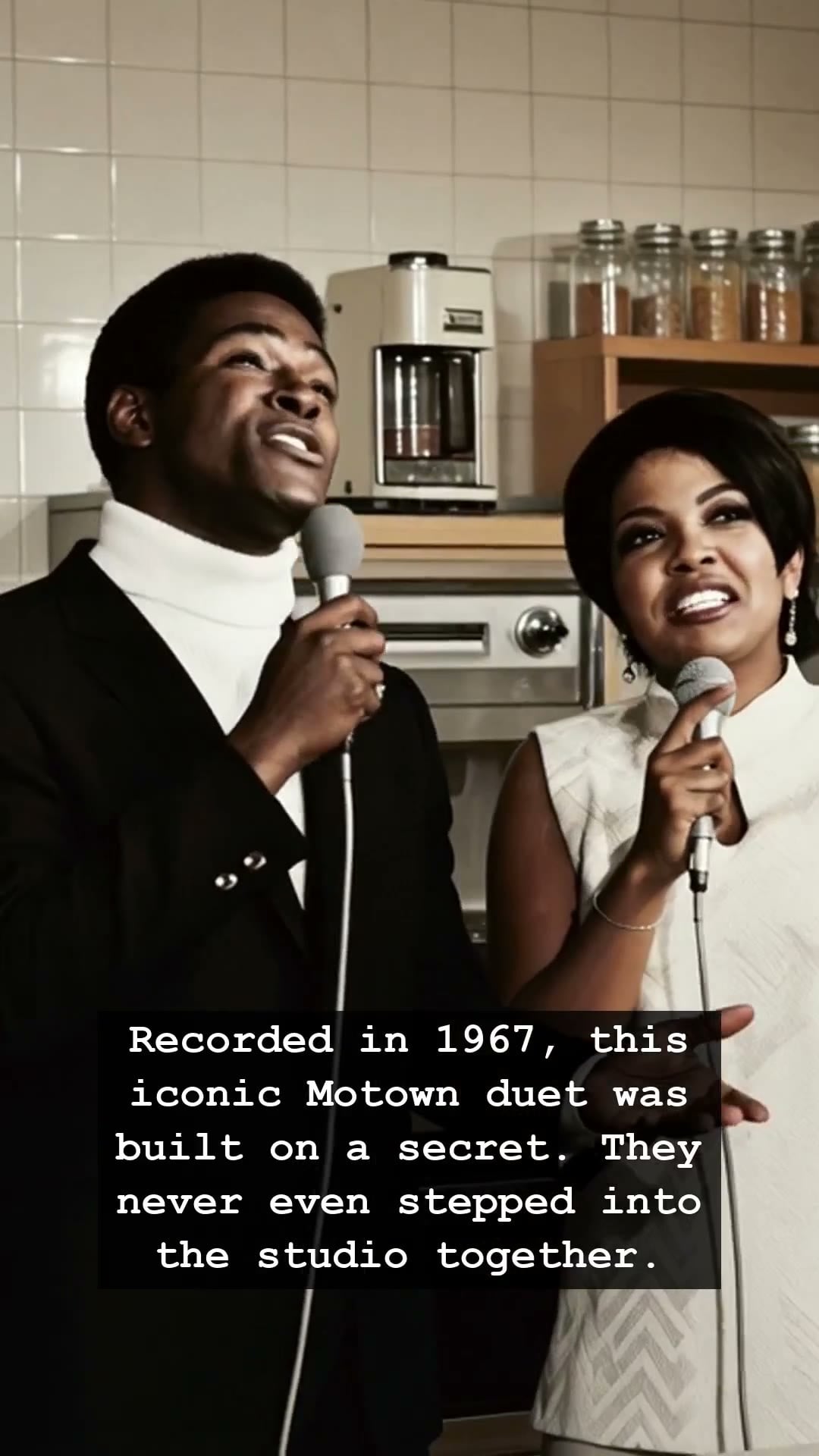
It was 1967, a year defined by the shifting cultural tides of the Summer of Love and the polished, rhythmic perfection radiating from the Motown studios. On the radio, the soulful, hypnotic harmonies of Marvin Gaye and Tammi Terrell seemed to embody a love so pure and effortless that it felt destined by the stars. Their voices danced around each other with a chemistry so palpable that fans across America were convinced they were witnessing a genuine romance blossoming behind the microphone. But the truth was far more fragile, a cinematic tragedy hidden beneath the vinyl grooves of their most legendary duets.
The public saw the radiant duo, but the reality inside the recording booth was hauntingly different. In a feat of technical wizardry that defined the ingenuity of the era, the two icons rarely shared the same physical space while recording. By the time they were crafting their signature sound, Tammi Terrell was already battling the early, debilitating symptoms of a brain tumor that would eventually claim her life. As her health fluctuated, Motown’s producers had to adapt, often having Marvin Gaye record his parts alone, leaving spaces for Tammi to layer her vocals whenever she could summon the strength to step into the booth. The love songs that defined a generation were stitched together in fragments, born from a race against time.
This secret adds a layer of raw, poignant gravity to tracks like Ain’t No Mountain High Enough. When you listen to the soaring energy of the performance, it becomes impossible not to hear the quiet resilience of Tammi Terrell against the velvet smooth confidence of Marvin Gaye. It was a masterclass in professional heartbreak, where the joy heard on the record was a testament to human courage rather than a reflection of a carefree reality. The producers at Hitsville U.S.A. shielded the public from this sorrow, allowing the magic of the music to remain untainted by the clinical tragedy unfolding behind the scenes.
This story is a sobering reminder of the darker side of fame during the golden age of Soul. While the world was glued to their jukeboxes and transistor radios, dreaming of the bliss captured by Marvin Gaye and his duet partner, the duo was navigating a private nightmare. The sheer contrast between the sunny, optimistic melodies and the looming shadows of mortality creates a lingering emotional weight that few songs in the history of music have ever managed to replicate.
Even decades later, their recordings remain a pillar of American music, echoing through the halls of history as a bittersweet triumph. Every time the needle drops, we aren’t just hearing a song; we are witnessing an act of defiance against despair. The legacy of Marvin Gaye and Tammi Terrell is not merely one of chart-topping success, but of a shared, hidden burden turned into an immortal sonic masterpiece that continues to resonate with every listener who appreciates the true, complicated soul of Motown.