
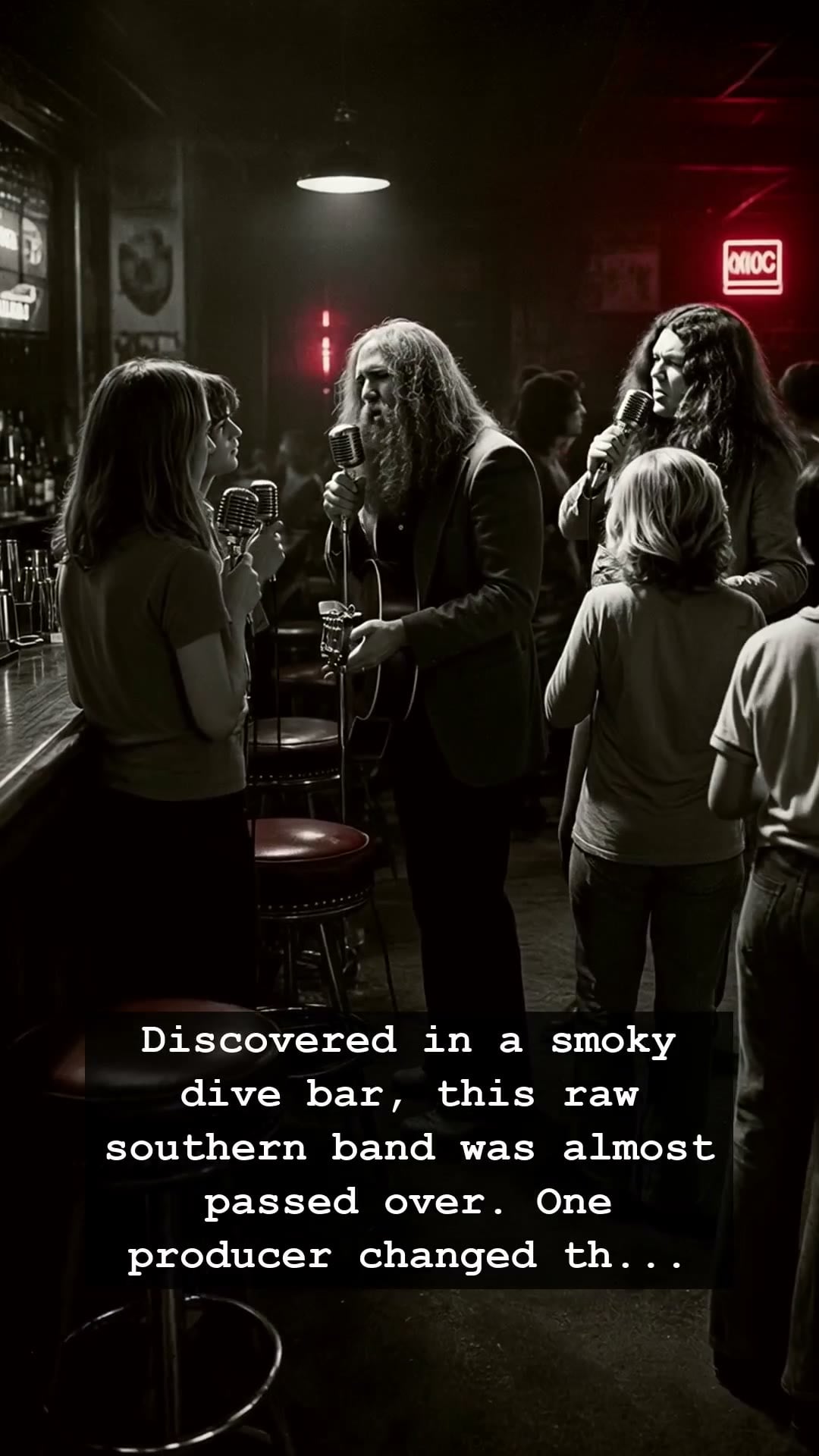
The air in that dimly lit Jacksonville club in 1972 was thick with the scent of cheap beer and stale cigarette smoke. On a cramped stage, a group of long-haired rebels from the American South were playing their hearts out to a crowd that barely noticed they existed. This was Lynyrd Skynyrd, a band defined by raw grit and restless ambition. They were mere moments away from fading into the annals of forgotten bar bands, destined to vanish into the humid Florida night. But fate had a different trajectory in mind when a visionary producer walked through those doors, sensing that amidst the noise and the haze, there was a sound waiting to shake the very foundations of rock music. That chance encounter did not just save them; it captured lightning in a bottle.
Lynyrd Skynyrd was never meant to be polished or corporate. They were the sonic embodiment of Southern pride, blending bluesy swagger with a rebellious, hard-driving edge that defied the radio trends of the early seventies. While the rest of the world was experimenting with the glitter of glam or the smooth rhythms of disco, Lynyrd Skynyrd was sharpening their triple-guitar attack. They were the voice of the working class, echoing the sentiments of those who lived in the shadow of the industrial grind. When they finally found their groove, the music wasn’t just heard; it was felt in the marrow of your bones.
Behind the legendary riffs of songs like Free Bird lay a complex web of brotherhood and intense pressure. The band members lived as hard as they played, navigating the dark underbelly of a meteoric rise to fame. The road was a grueling mistress, filled with all-night drives, endless cans of beer, and the intoxicating weight of success that threatened to tear them apart at the seams. Yet, beneath the chaotic surface, the music remained an anchor. They were crafting an identity that would eventually become synonymous with Southern Rock, a genre that still carries the ghost of their influence today.
It is impossible to discuss the legacy of Lynyrd Skynyrd without acknowledging the heavy price of their fame. The internal conflicts and the eventual tragic plane crash that silenced their original lineup remain one of the most haunting chapters in rock history. That disaster transformed their songs from hits into hymns, marking a somber transition from living legends to permanent icons. Every time those first chords ring out on a classic rock station, listeners are transported back to a time of jukeboxes, vinyl records, and an unapologetic, dangerous kind of freedom that seems to be slipping away in the digital age.
Why does the story of Lynyrd Skynyrd continue to resonate decades later? Perhaps it is because they were unapologetically real in a world that increasingly favors manufactured perfection. They represented the grit of the American landscape, a sound as authentic as the red clay of the South. Whether you were there in the seventies or discovered their catalogue through the crackle of an old Walkman, their music serves as a bridge to a raw, unfiltered era of rock and roll. As the last echoes of their iconic guitar solos fade, we are left with the undeniable truth that some legends are truly meant to endure forever.