
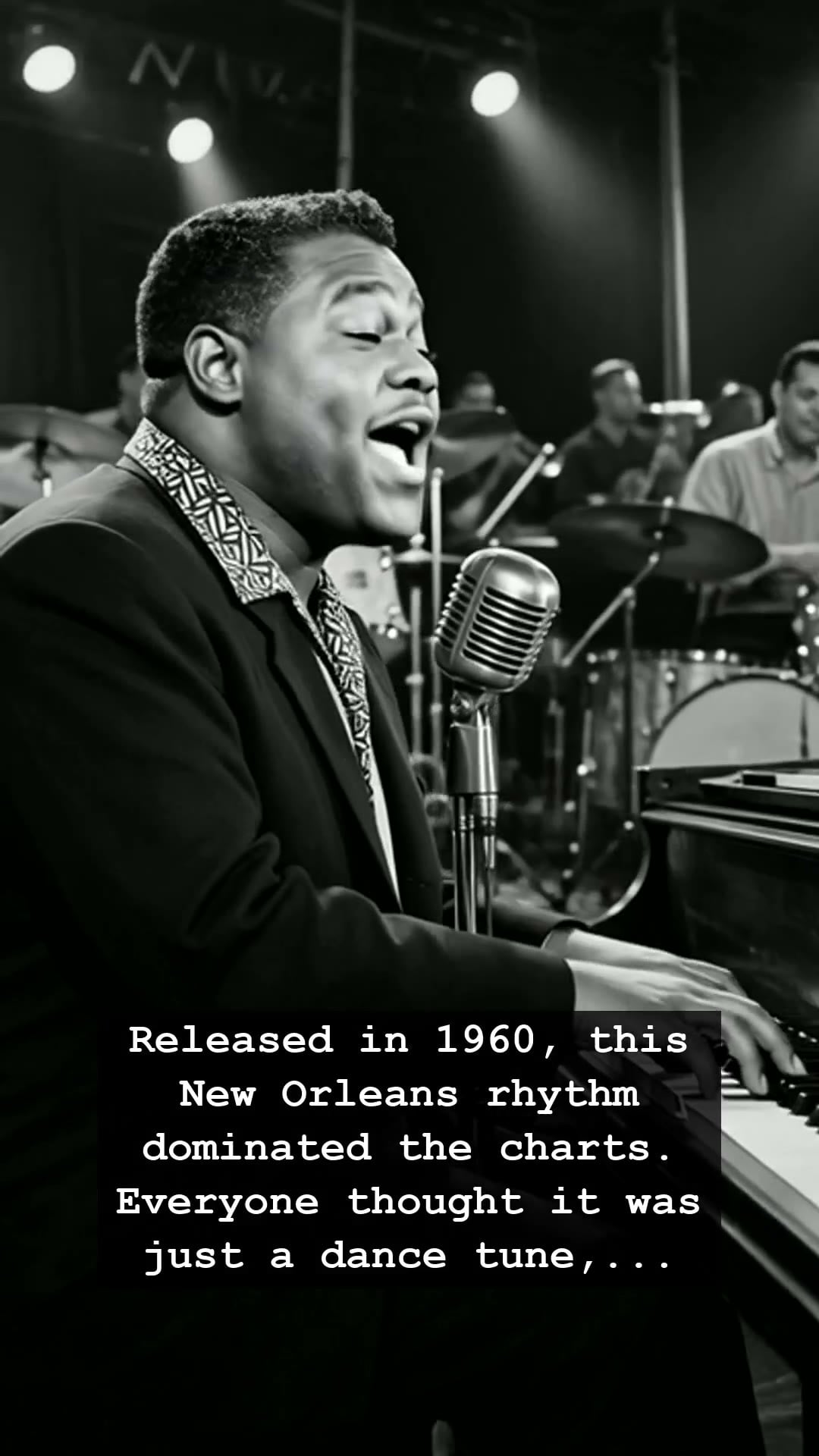
It was 1960, a year defined by the crackle of a jukebox in a dimly lit diner and the smell of hairspray and motor oil. Across America, the airwaves were dominated by a rhythmic, rolling piano melody that felt as humid and alive as the streets of New Orleans. While the charts labeled it just another dance craze, Fats Domino was crafting something far more profound. He was not just playing a song; he was laying the very bricks upon which the house of rock and roll was built. Beneath the infectious, upbeat exterior of his music lay a quiet revolution that forever altered the sound of a generation.
Fats Domino was never a man of flash or tabloid scandals. While his contemporaries were busy shattering guitars or courting mainstream controversy, this gentle giant sat behind his piano with a signature smile, delivering pure, unadulterated soul. He carried the weight of the New Orleans rhythm in his fingertips. When he released his massive hits during that golden era, he bridged a cultural divide that few other artists dared to cross. To hear a Fats Domino record in 1960 was to feel the heartbeat of a shifting nation, a sound that united teenagers in suburban living rooms and smoke-filled clubs alike.
What made the genius of Fats Domino so dangerous to the status quo was how effortlessly he made greatness look. He didn’t need pyrotechnics or a grand stage entrance to command an audience. He possessed a rare, velvet-smooth delivery that turned simple verses into anthems of longing and joy. Many critics at the time dismissed his work as simple rhythm and blues, but they failed to see the technical mastery—the rolling triplets and the syncopated basslines—that would eventually influence icons from The Beatles to Elton John. He was the architect of a sound that felt as comfortable as a worn-in leather jacket.
Behind the success, however, were the pressures of a segregated music industry that often tried to downplay the contributions of black artists. Fats Domino navigated these choppy waters with a dignity that shielded his art from the bitterness of the times. Every recording session was a testament to his resilience, a pursuit of a perfect groove that could survive the test of decades. When he stood at the microphone, the world stopped moving for a moment, captivated by the authenticity of a man who played for the love of the melody rather than the hunger for fame.
Today, when we spin those old records, we are not just listening to nostalgia; we are touching the living history of rock and roll. The legacy of Fats Domino remains embedded in the DNA of every piano-driven ballad that still manages to pull at our heartstrings. As we look back on an era defined by the crackle of vinyl and the mystery of the studio, it is clear that he was the anchor of a musical transformation. If you close your eyes and listen closely to that timeless New Orleans rhythm, you might just catch the echo of a legend who taught the world how to dance to the beat of a changing heart.