
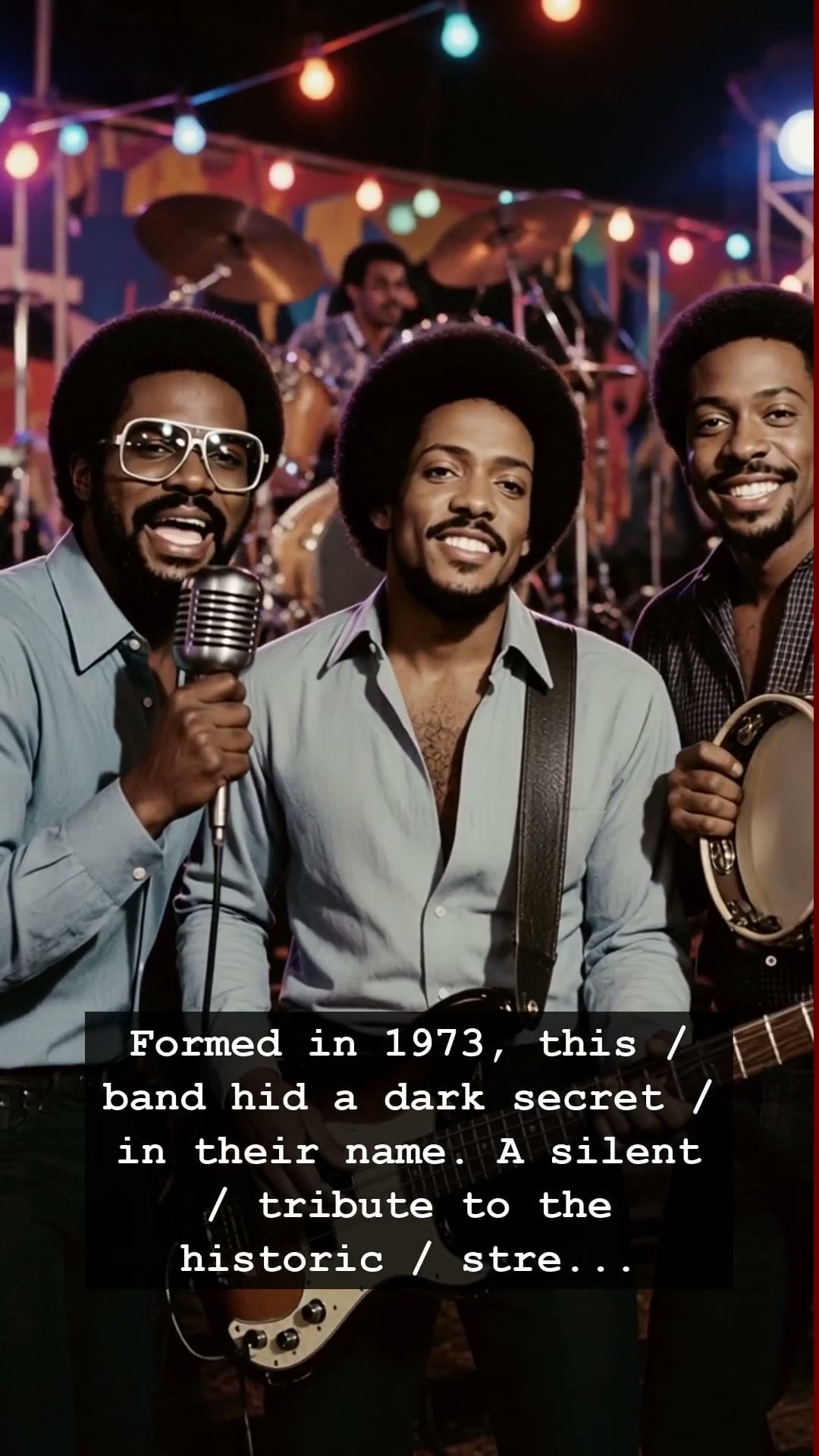
In the golden era of funk, when the neon lights of the disco floor met the raw pulse of urban soul, one group stood out not just for their infectious grooves but for a haunting secret hidden in plain sight. Formed in 1973 in Tulsa, Oklahoma, The Gap Band became global icons, delivering floor-fillers that defined a generation. Yet, behind the shimmering synthesizers and the electrifying basslines that once poured out of every jukebox, lay a name that served as a silent, solemn tribute to a horrific historical scar that many wanted to erase: the 1921 Tulsa Race Massacre.
Most fans who danced to the legendary tracks of The Gap Band throughout the late seventies and eighties were unaware of the etymology of the moniker. While the world was obsessed with the rise of MTV and the portability of the new Walkman, the three brothers—Charlie, Ronnie, and Robert Wilson—were keeping history alive through their very identity. The word GAP was not merely a random creative choice; it stood for Greenwood, Archer, and Pine. These were the three pivotal streets at the heart of the Greenwood District, a thriving enclave once known as Black Wall Street before it was incinerated in one of the most violent acts of racial injustice in American history.
The Gap Band managed to bridge the divide between deep, heavy funk and the sophisticated pop sensibilities of the post-disco era. They were masters of the rhythm, turning pain into powerful, kinetic energy. Their music provided a soundtrack for celebration, yet every time their name was announced on stage or printed on a record sleeve, they were invoking the memory of the lives lost during those dark days in Tulsa. It was a subtle, poignant act of defiance, ensuring that the legacy of those neighborhoods would never truly fade from the American consciousness.
As the eighties progressed and the group climbed the charts with hits like You Dropped a Bomb on Me, the sonic landscape changed, but their purpose remained anchored in their heritage. Despite the glitz of the era and the pressures of superstardom, the Wilson brothers maintained a level of authenticity that resonated with listeners across the country. They were a testament to the resilience of the human spirit, taking the rhythm and the blues of their ancestors and retooling it for a new generation that needed to keep moving forward without forgetting the weight of the past.
Today, reflecting on their discography feels like unearthing a time capsule. The Gap Band remains a cornerstone of American music history, reminding us that even the most exuberant funk track can hold a profound narrative. Their story teaches us that art is often a sanctuary for the truth. The next time you find yourself listening to their classic records, take a moment to look past the groove. You might just hear the echoes of history, a quiet heartbeat pulsing beneath the sound, daring you to remember the streets that gave them their name.