
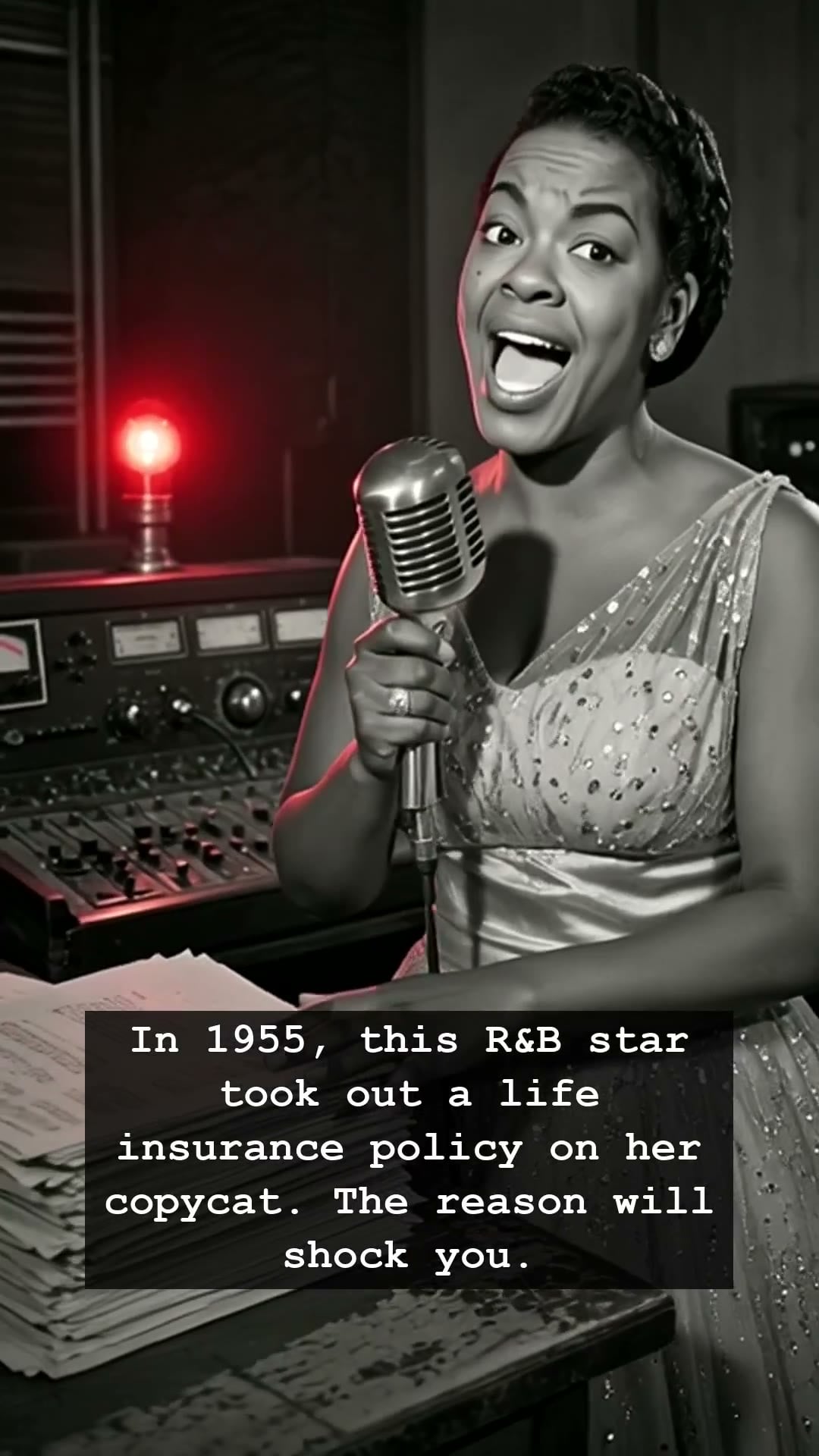
In the mid-1950s, the jukebox was the heartbeat of American culture. It was an era where the crackle of a 45-rpm record could ignite a revolution, and the air was thick with the scent of hair pomade and cigarette smoke. Amidst this backdrop of evolving sound, LaVern Baker stood as a titan of Rhythm and Blues. With her commanding stage presence and a voice that could cut through the noise of any crowded juke joint, she was a powerhouse. However, the music industry of 1955 was not always a fair playground. It was a time when the lines between artistic inspiration and blatant theft were blurred, leading to one of the most bizarre and dramatic legal maneuvers in music history.
LaVern Baker was rightfully furious. She had poured her soul into hit records, only to watch as major labels hired white pop singers to record note-for-note covers of her songs, often stripping the grit and urgency out of the originals to make them palatable for the mainstream charts. This phenomenon, known as the industry cover-up, was systemic and cold. In a move that remains unparalleled in its audacity, LaVern Baker decided to fight back. She took out a life insurance policy on her most prominent white pop copycat. If the industry wanted to profit off her sound, she was going to make sure they paid for it—literally. She famously named the copycat as the beneficiary, a stinging, public reminder that if she were to perish in a plane crash, the very person stealing her livelihood would become a wealthy woman off the tragedy.
This incident highlights the raw tension of the early rock and roll era. While teenagers were beginning to tune into the early tremors of what would soon become a global obsession, artists like LaVern Baker were battling for survival. She wasn’t just fighting for royalties; she was fighting for her identity as an artist. This wasn’t just a gimmick; it was a desperate, brilliant act of defiance against a corporate machine that viewed Black musicians as mere templates for their own commercial gain. The story of LaVern Baker serves as a stark reminder of the sacrifices made by the pioneers who built the foundation of modern music.
The music scene of the fifties was a volatile cocktail of innovation and exploitation. While the glossy allure of television began to creep into our living rooms, the heart of the music lived in the dark, smoky corners of the studios where LaVern Baker recorded her masterpieces. Her story resonates today because it touches on the universal struggle for recognition. We listen to her records now, and we don’t just hear a song; we hear the defiance of a woman who refused to be erased by the industry. Even decades later, the grit in her voice serves as a bridge to a time when every note mattered.
Today, we look back at the era of the jukebox with a sense of warm nostalgia, but stories like this remind us of the fire that fueled those records. LaVern Baker was more than just a talented singer; she was a force of nature who held her ground when it mattered most. Her legacy is one of strength, resilience, and an unwavering belief in her own creative worth. Next time you drop a coin into a vintage record player, take a moment to appreciate the true innovators who paved the way. Their voices continue to echo through history, reminding us that true art can never be truly copied.