
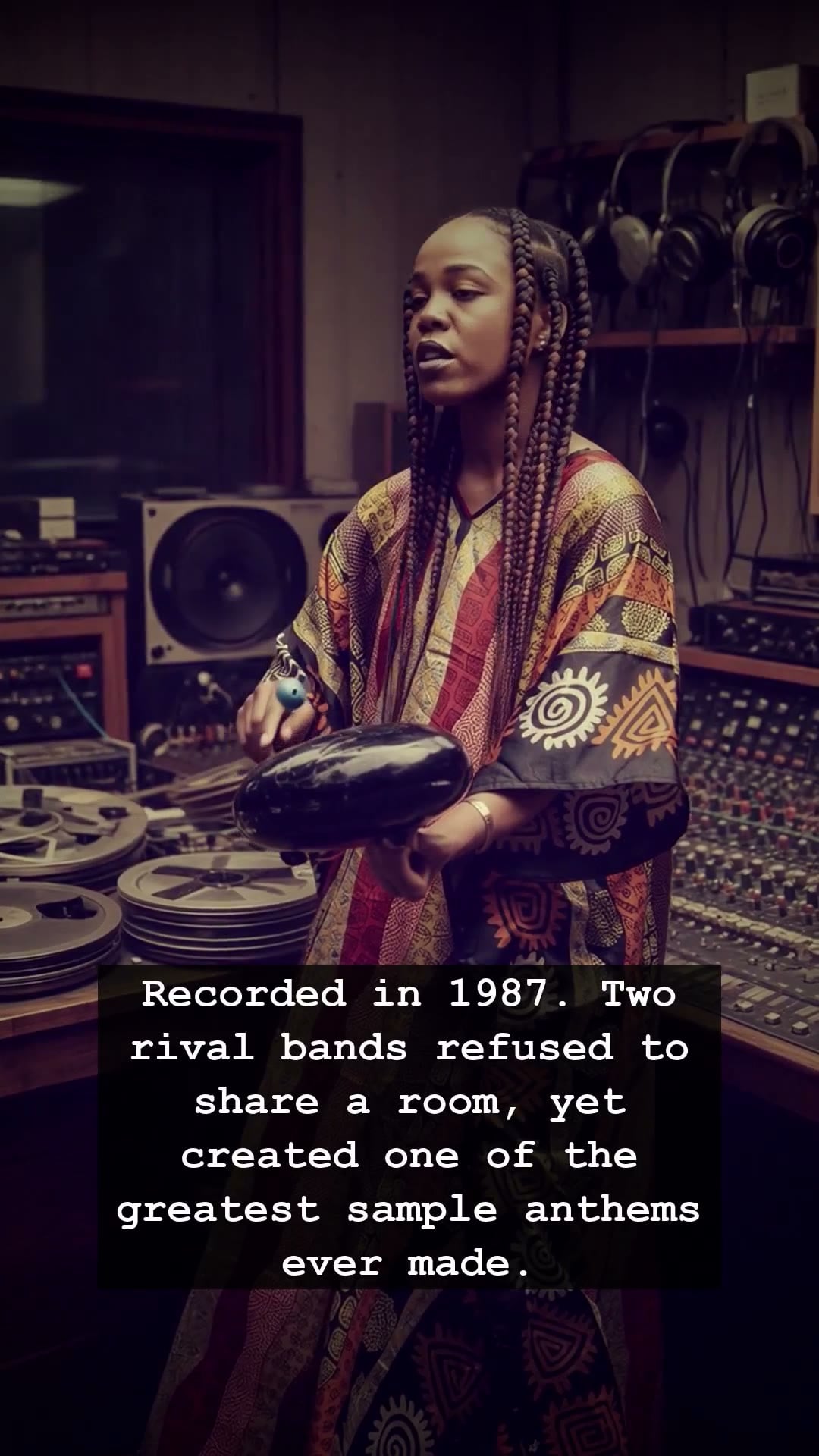
It was 1987, a time when the world was shifting from the neon-soaked decadence of disco to the jagged, experimental edges of electronic dance music. The air in the recording studio was thick with unspoken tension, the kind that usually precedes a total creative collapse. In one corner stood the members of Colourbox, and in the other, A.R. Kane. The two bands were bitter rivals, separated by deep-seated ego and artistic pride. They refused to even share the same room, yet through a stroke of sheer, accidental brilliance, they collaborated to create one of the most iconic sample-heavy anthems in history: Pump Up the Volume by the collective known as MARRS. It is a story of music born not from harmony, but from the friction of two opposing forces colliding under the pressure of a label-imposed ultimatum.
At the time, the legendary 4AD record label was desperate to bridge the gap between indie-pop and the rising underground club culture. Bringing together these two bands was an audacious experiment. The process of recording MARRS was chaotic, marked by long silences, physical distance, and the passing of tapes through intermediaries. Yet, as they began to layer disparate sounds—a screeching guitar here, a cut-up hip-hop vocal there—something transformative happened. They were pioneers in an era where the Jukebox was being replaced by the dawn of digital sampling, unknowingly carving out a template for the rave culture that would dominate the decade to come.
The genius of MARRS lay in its audacity. This was a time when sampling was still the wild west, a legal and creative grey area that terrified industry executives. The track was a collage of unauthorized snippets, a daring mosaic that dared to defy the conventions of the 1980s pop charts. Listening to the song today, you can still hear that restless energy, that frantic desire to push the boundaries of what a pop song could actually be. It was the sound of a generation hungry for change, recorded by people who barely wanted to be in the same building as each other.
The legacy of MARRS remains a fascinating footnote in the history of music. While the bands involved would never truly reconcile, their brief alliance resulted in a masterpiece that topped the charts and proved that magic could rise from the ashes of hostility. It reminds us of a time when MTV was the ultimate arbiter of taste and the Walkman was our primary connection to the world, a period where innovation often emerged from the most unlikely, high-pressure environments imaginable.
Today, we look back at MARRS not just for the song itself, but for what it represents: the moment when the underground finally clawed its way into the light of the mainstream. It remains a testament to the idea that sometimes the greatest art is forged in the fires of conflict. Do you remember where you were when those first frantic samples hit the radio waves, signaling the end of the eighties as we knew it?