
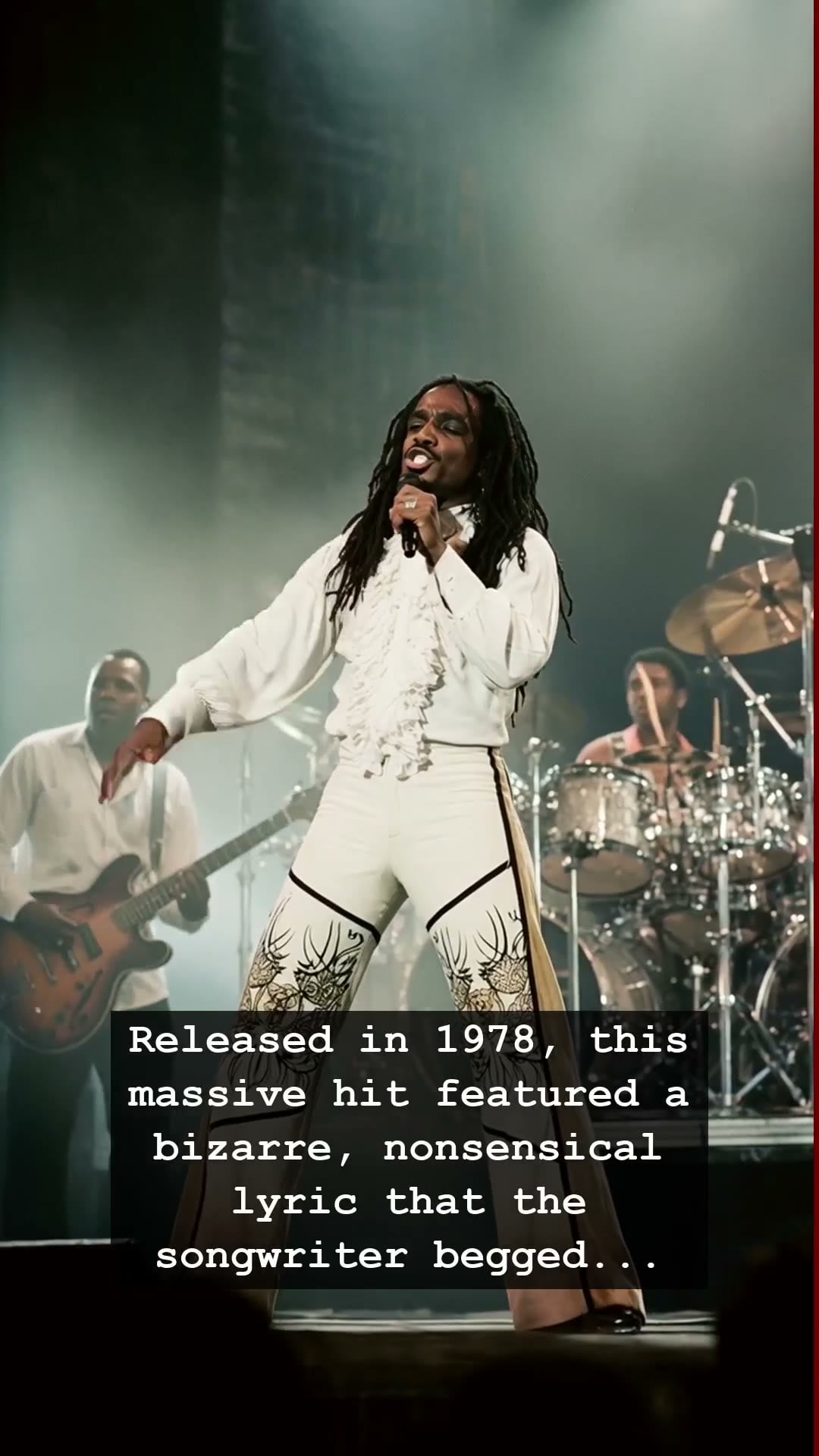
It was 1978, the golden age of the glitter-drenched Studio 54 era, and the world was moving to a rhythm that felt like pure sunshine. When Earth, Wind & Fire released their masterpiece September, it instantly became an anthem of joy, a transcending groove that could bridge any cultural divide. Yet, beneath those golden horns and the impeccable falsetto of Maurice White, a quiet battle was raging over a single, baffling line that almost never made it to the airwaves. That opening hook, Ba-dee-ya, was a point of contention that nearly derailed one of the greatest songs in music history.
Allee Willis, the brilliant songwriter who co-wrote the track, was deeply insecure about those lyrics. She famously spent years begging Maurice White to change them, pleading that they were complete nonsense. To Willis, a lyricist who lived for substance, the phrase felt empty and uninspired. She wanted something meaningful, something that would resonate with the intellect of their listeners. But White, with his visionary ear for percussion and vocal arrangement, was steadfast. He knew that the sound was the message. He stubbornly refused to alter the syllables, trusting his gut instinct over the literal meaning of the words. He understood that music, at its core, is a feeling, not a dictionary.
Looking back at that era, the late seventies were a time of rapid transition. The disco fever that had gripped the nation was beginning to face a cultural backlash, yet Earth, Wind & Fire remained untouchable, transcending genres with a sound that blended funk, soul, jazz, and pop. They were the architects of a cosmic soundscape, turning concert halls into spiritual experiences. When September hit the airwaves, it arrived via the crackling warmth of AM radios and the rhythmic spin of heavy vinyl, becoming a staple that defined a generation. That nonsensical hook became, ironically, the most recognizable fragment of pop music in the world.
It is fascinating to realize that the most iconic moments in our favorite songs often come from the friction between collaborators. Had Willis succeeded in changing those lyrics, we might have lost the very essence of why we still dance to this song decades later. The persistence of Maurice White proves that sometimes, the most enduring art comes from embracing the irrational. It serves as a reminder that the magic of music often hides in the imperfections and the creative disagreements that happen behind the closed doors of a recording studio.
Today, September still echoes through weddings, parties, and radio airwaves, sounding just as fresh as it did when it first graced the charts. It captures a specific, shimmering light from 1978 that refuses to fade. Every time that hook hits, we are reminded of the power of a melody to transcend language and reason. So, the next time you hear those famous syllables, remember the songwriter who wanted to change them, and the visionary who knew they were destined for greatness. It turns out that sometimes, you just have to sing along to the nonsense to find the truth.