
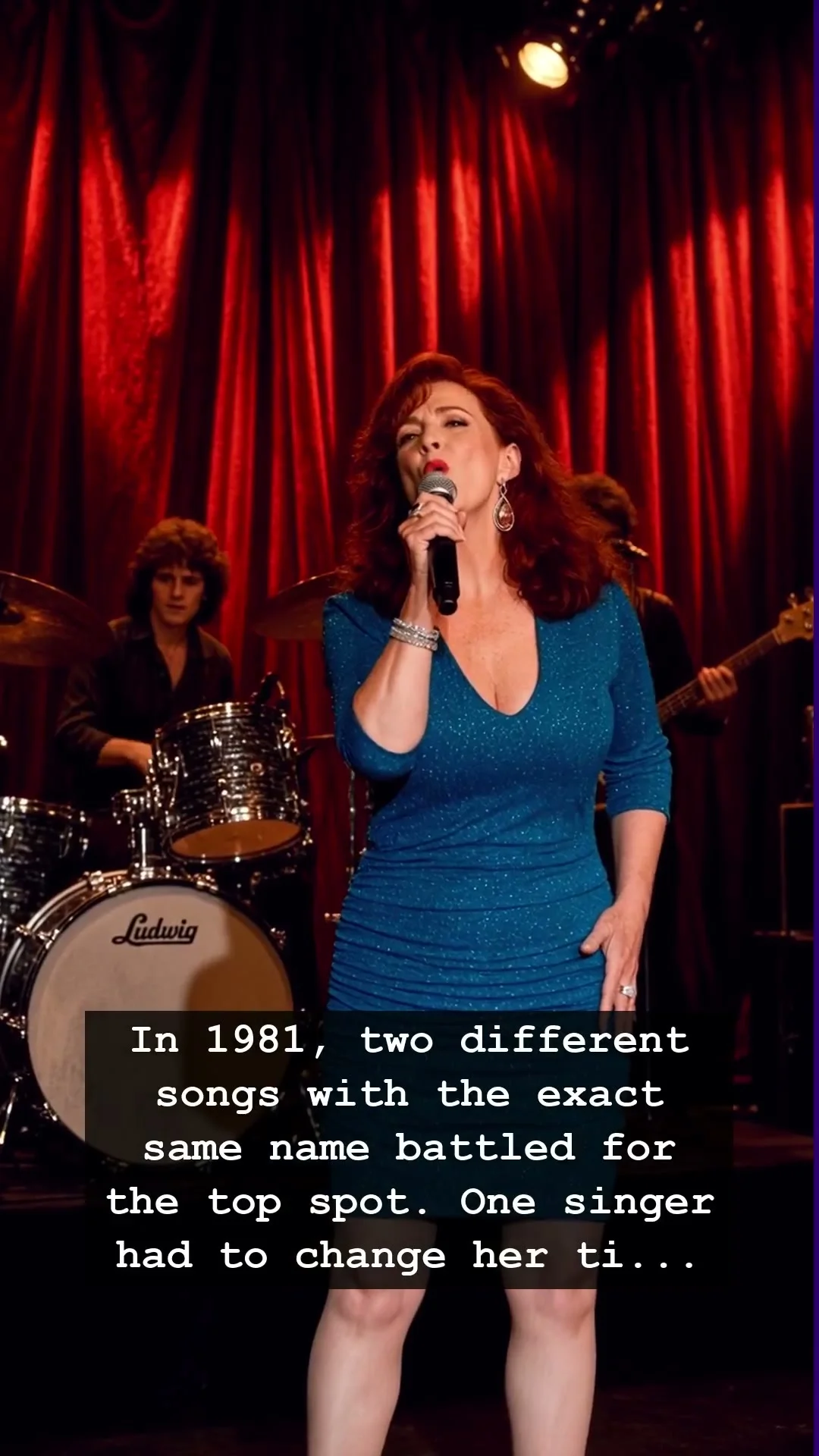
It was 1981, and the American airwaves were locked in a peculiar, high-stakes standoff. If you walked into any diner with a humming jukebox or turned on your local radio station, you were likely to hear a defiant anthem about the daily grind of the American workforce. But there was a catch—two different songs, from two very different artists, were competing for the same crown under the exact same title: 9 to 5. It was a bizarre collision of pop sensibilities, pitting the rising Scottish sensation Sheena Easton against the established queen of country music, Dolly Parton. For music fans of that era, the confusion was palpable, and the pressure on record labels to clarify the charts created a dramatic subplot that remains a forgotten footnote in pop history.
Dolly Parton had spent years carving her path in Nashville, and her infectious, upbeat ode to the working woman was a powerhouse hit designed to accompany her blockbuster film debut. It was pure, authentic country-pop brilliance. Meanwhile, across the Atlantic, Sheena Easton was rapidly becoming a global superstar. Her own track, also titled 9 to 5, was a sleek, synth-driven pop ballad that resonated with the changing sound of the early MTV generation. When both songs began climbing the Billboard charts simultaneously, the industry realized they had a logistical nightmare on their hands. To avoid total chaos, the record company ultimately forced the burgeoning Sheena Easton to retitle her hit as Morning Train (Nine to Five) in the United States to distinguish it from the Dolly Parton juggernaut.
The scramble for airplay during this time felt like a scene straight out of a classic drama. Imagine the tension in the radio booths as DJs had to specify which 9 to 5 they were playing, lest they confuse their listeners. For Sheena Easton, it was a baptism by fire, forcing her to adapt or risk being overshadowed by the colossal charisma of Dolly Parton. Yet, the irony is that both versions thrived. Both songs captured the distinct, weary, yet optimistic spirit of the American worker, proving that the theme of the nine-to-five struggle was the ultimate universal language of the decade. While the song titles caused a brief friction, they both managed to reach the number one spot, a rare feat for tracks sharing a name.
Looking back, this 1981 clash serves as a time capsule for an era defined by the Walkman and the growing reach of syndicated radio. It reminds us of a time when pop music was a chaotic, organic race rather than a pre-calculated streaming strategy. The rivalry was never personal, but it was professional, highlighting the sheer competitiveness required to break through in a saturated market. Whether you preferred the twangy energy of Dolly Parton or the polished vocal delivery of Sheena Easton, the battle of the two 9 to 5s remains a vivid memory of the golden age of radio.
Today, these songs continue to evoke a powerful sense of nostalgia for those who lived through the early eighties. They stand as monuments to a time when hit records were the heartbeat of our daily lives. Though they were forced to share a title for a fleeting moment, both artists proved they were forces to be reckoned with. Sometimes, the most beautiful music comes from the most unlikely, and most crowded, of places.