
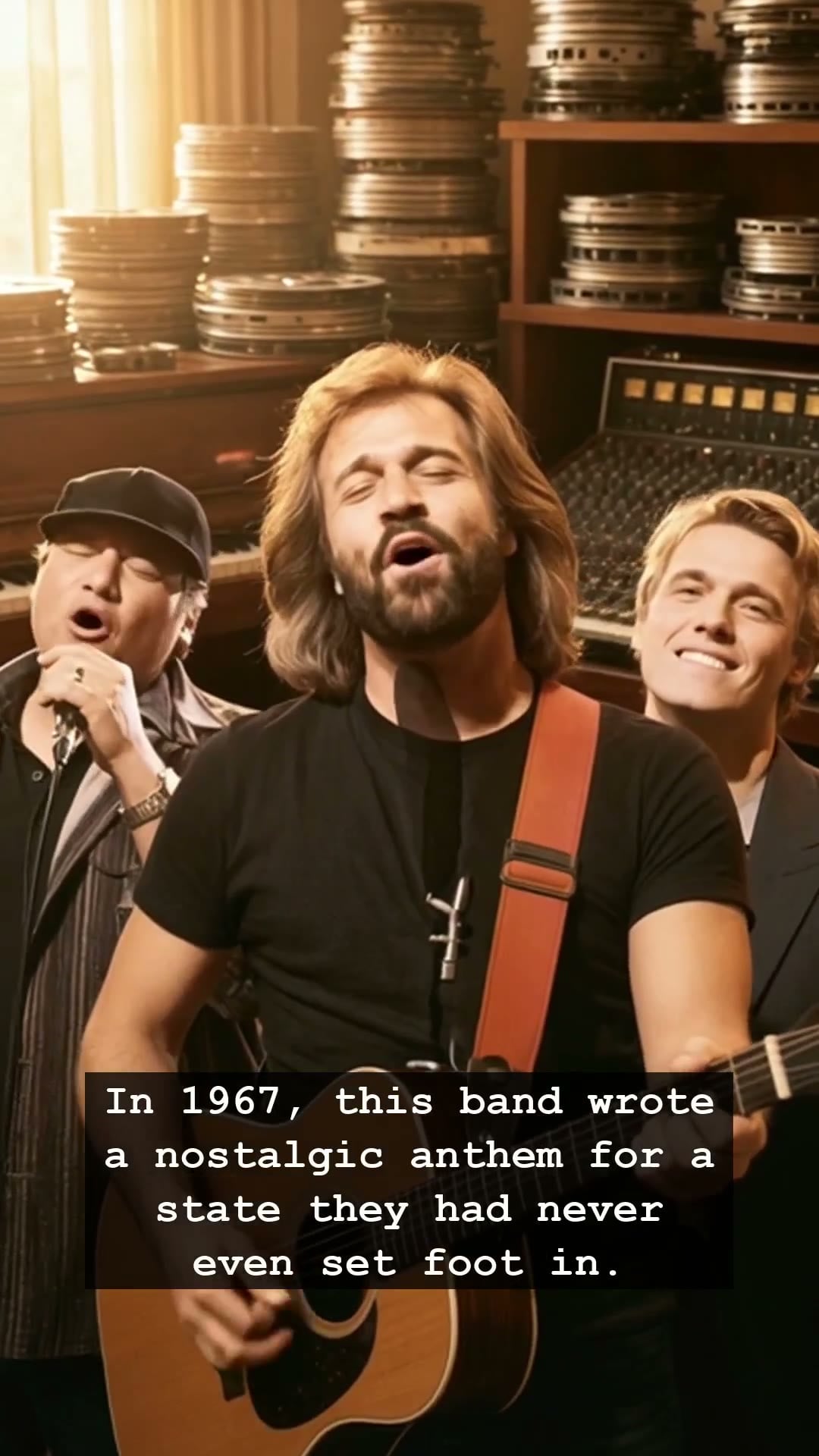
It was 1967, and the world was spinning on the axis of change. While the Summer of Love was turning the air hazy in San Francisco, three brothers from Australia—Barry, Robin, and Maurice Gibb—found themselves trapped in the claustrophobic confines of a New York City hotel room. They were young, they were thousands of miles from home, and they were profoundly lonely. Within the tiled walls of a hotel bathroom, away from the prying eyes of the industry, the Bee Gees channeled their crushing homesickness into a melody that would soon captivate the globe. The result was the haunting anthem Massachusetts, a song that remains a touchstone of 1960s pop culture.
What makes the story of Massachusetts so fascinating is the geographical irony at its core. When the Bee Gees penned those iconic lines about the lights of a city they had never actually visited, they were writing from a place of pure, unadulterated imagination fueled by longing. They hadn’t set foot in the Bay State, yet their lyrics painted a vivid portrait of a place they were desperately trying to reach. At the time, the band was experiencing a whirlwind rise to fame, navigating a music scene that was rapidly shifting from the simple charm of jukebox hits to the complex, introspective songwriting that would define the decade. For the brothers, this track was their ticket to international superstardom, bridging the gap between their pop roots and the deeper, melancholic storytelling that would become their signature.
The Bee Gees were masters of the emotional crescendo. By 1967, they were already becoming icons of a generation that would soon be glued to their Walkmans and radios. While many artists of the era were lost in the psychedelic fog of the time, the Bee Gees kept their focus on the human heart. The success of Massachusetts solidified their reputation as songwriters who could touch the soul, even if they were singing about places they had only seen on maps. It was a testament to their incredible ability to translate universal feelings of displacement and nostalgia into a sound that felt like home to millions of listeners.
Looking back, the song serves as a portal to a bygone era. It captures that specific sense of yearning that defined the late sixties, a time when the world felt both larger and more connected through music. The brothers would eventually evolve, moving from these baroque pop masterpieces into the high-energy, neon-drenched atmosphere of the disco era and the glamour of the seventies, but the vulnerability they displayed in that hotel bathroom never truly left them. That sincerity is exactly why the Bee Gees continue to be revered by fans across every generation.
Even decades later, hearing those opening harmonies brings back the ghosts of an earlier time. It reminds us that art doesn’t always require lived experience to carry truth; sometimes, it just requires the courage to express what is missing. As you listen to the track today, you might find yourself transported back to the warmth of a spinning vinyl record, a simpler time of analog melodies, and the enduring, bittersweet magic of the Bee Gees.