
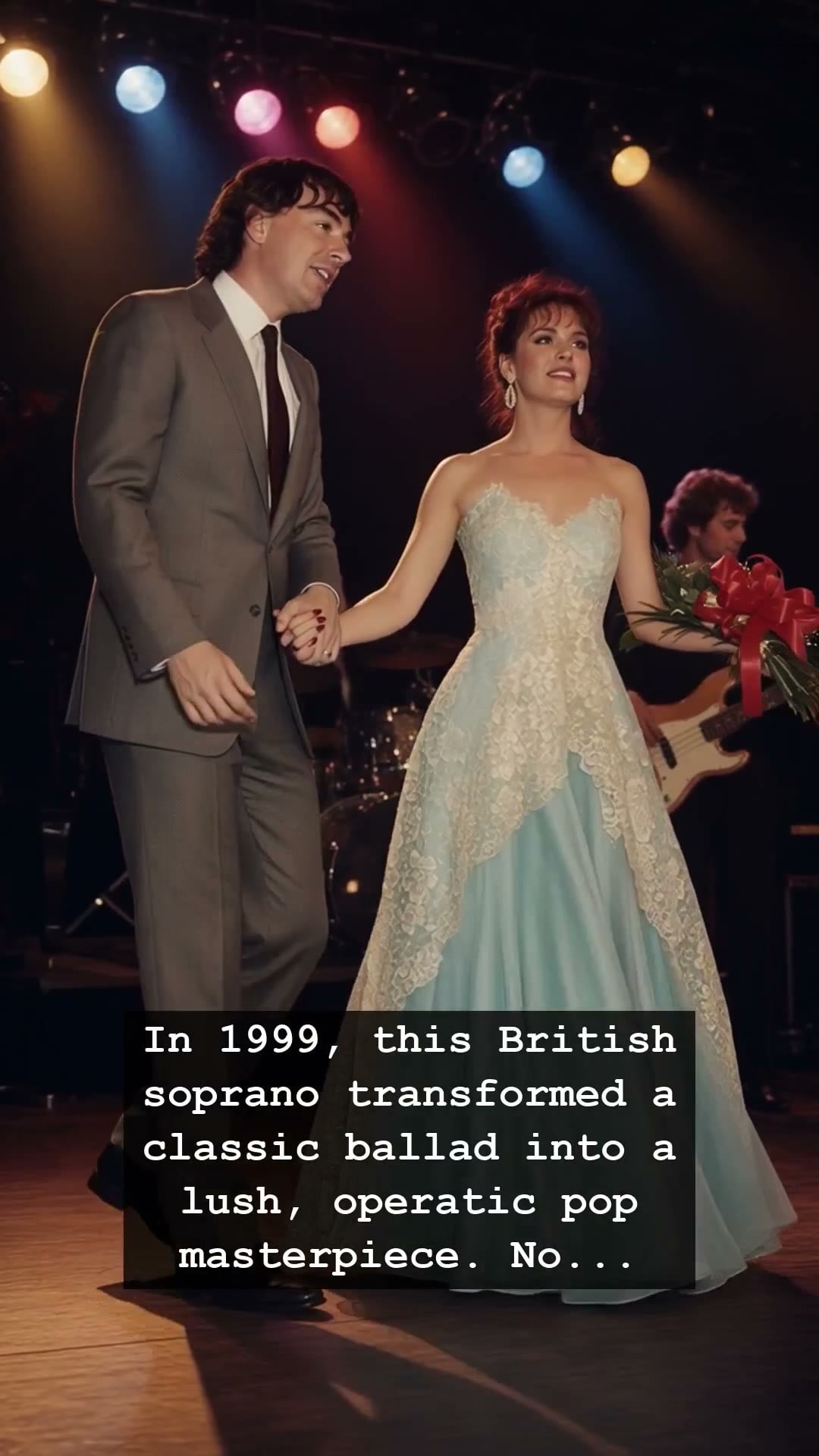
It was 1999, the turn of the millennium was looming, and the pop charts were dominated by high-energy dance tracks and the plastic sheen of late-nineties pop. In the midst of this digital transformation, Sarah Brightman did the unthinkable. She reached back into the crates of 1970s disco royalty, plucking a Bee Gees ballad from the archives and turning it into something that felt like it had been carved out of marble and velvet. When the first notes of her version of First of May hit the airwaves, it sent a ripple of confusion, and eventually, pure wonder through the music industry. Sarah Brightman had effectively bridged the gap between the stadium-filling disco era and the theatrical, operatic grandeur of the new century.
To understand why this moment was so jarring, one must remember the cultural landscape. The late 1990s were an era defined by the rise of MTV and the relentless pursuit of the next teen idol. We were listening to music on portable CD players, our ears still ringing from the remnants of the grunge revolution, yet yearning for something sophisticated. Sarah Brightman was an artist who had always thrived on the periphery of conventional pop, a soprano whose voice possessed an ethereal quality that felt entirely out of place in the radio-friendly world of the time. Her choice to tackle a Bee Gees song, a band defined by the pulsating rhythm of Studio 54 and the iconic white suits of the disco fever era, was a daring artistic gamble.
Sarah Brightman approached the song not as a cover, but as an excavation. She stripped away the shimmering, syncopated disco beats that the Bee Gees had mastered, replacing them with lush orchestral arrangements that breathed cinematic, theatrical life into every syllable. It was a transformation that felt intimate yet massive, like a private opera performed in a hollowed-out cathedral. For fans of classic 1970s melodies, hearing their beloved nostalgia reframed with such dramatic, operatic intensity was a disorienting experience. It challenged the audience to reconsider the boundaries of pop music, proving that a song born from the sweaty dance floors of a bygone decade could find a home in the dramatic, high-concept world of classical crossover.
This reinvention spoke to the heart of what makes music timeless: the ability of a great composition to survive any costume. Sarah Brightman understood that beneath the falsetto harmonies of the brothers Gibb lay a profound, melancholy storytelling core. By slowing the tempo and elevating the vocal performance to a soaring, crystalline height, she unveiled a darkness in the lyrics that the original disco production had masked. It was a masterclass in musical alchemy, transforming a pop relic into a haunting, sophisticated masterpiece that captured the restlessness of a world waiting for the clock to strike midnight on a new millennium.
Years later, this specific chapter of her career remains a testament to the power of artistic reinvention. In an age where music often feels disposable, Sarah Brightman stands as a reminder that the greatest legacies are built by those willing to shatter expectations. Her work in 1999 remains an evocative, nostalgic touchstone for those who remember the transition from the golden age of analog soul to the digital sprawl of modern sound. It is a beautiful, lingering echo of a time when icons dared to dream outside the box. Do you still find yourself drifting back to that haunting melody, wondering how she made the past sound so hauntingly new?