
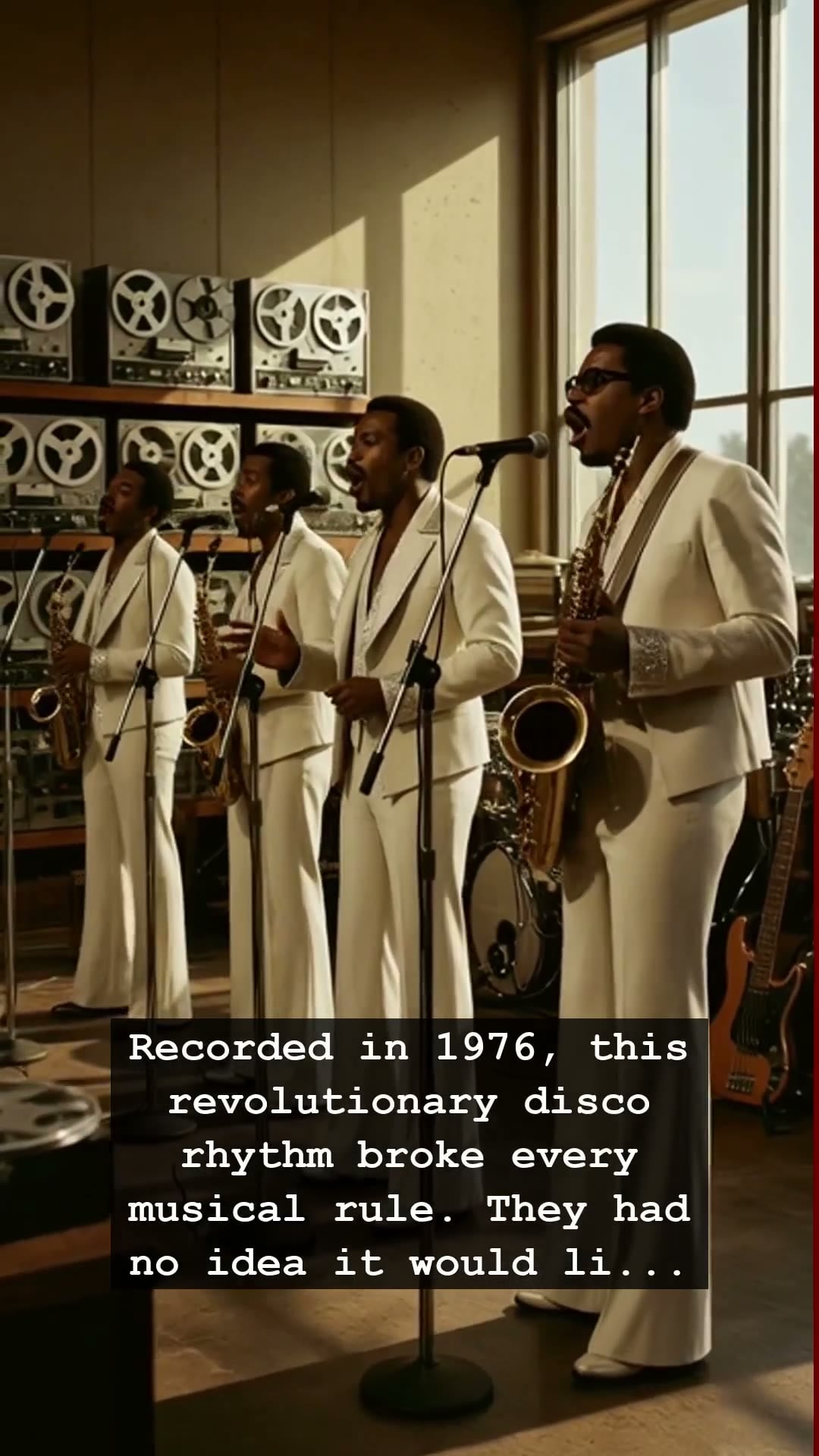
The year was 1976, and the air inside the neon-drenched walls of Studio 54 was thick with sweat, perfume, and the desperate hunger for a new sound. Traditional musicians were still clinging to the complex, melodic structures of the previous decade, but in the heart of the recording booth, Earl Young was quietly orchestrating a sonic earthquake. He didn’t just play the drums; he pioneered a rhythm that defied the conventions of the era. With a flick of his wrist and a hypnotic, relentless hi-hat pattern, he created a pulse that would eventually become the beating heart of the entire disco movement. When The Trammps stepped into the studio to lay down their tracks, they had no inkling that their rhythm would soon set the dance floors of the world on fire.
To understand the magnitude of what Earl Young achieved, one must look at the rigid musical landscape of the mid-seventies. Producers and session players were baffled by his unconventional approach. Many considered his syncopated, driving hi-hat work a violation of musical purity, yet Earl Young persisted, trusting his intuition over the stuffy rules of the establishment. He understood something that the critics did not: the dance floor required a constant, infectious tension that could sustain a listener for minutes on end. By refining this signature sound, he transformed The Trammps into more than just a band; they became the architects of a rhythmic revolution that dictated the pace of every party from Philadelphia to Manhattan.
As the disco era hit its peak, the name Earl Young became synonymous with an unstoppable force of energy. His drumming provided the foundation for classics that remain eternal, weaving a tapestry of sound that perfectly complemented the glittering ball and the velvet ropes of iconic venues. This was an era where the Walkman was just beginning to change how we consumed music, and the radio was dominated by the slick, high-gloss production of the late seventies. Yet, even amidst the glitz, the raw power of his beat stood out as something deeply human and undeniably electric. It was the sound of liberation for a generation that wanted to escape into the night.
However, the glamour of the disco spotlight often masked the intense pressure faced by those behind the music. The late nights, the drug-fueled atmosphere of the scene, and the constant demand for the next big hit pushed artists to their breaking points. Earl Young remained a steady anchor in this swirling vortex, his reliability as a drummer matched only by his profound influence on the evolution of soul and funk. He turned the drum kit into the lead instrument, forever changing the role of percussion in popular music history and proving that a simple, driving groove could be more impactful than any soaring guitar solo.
Decades later, the legacy of Earl Young continues to echo through modern house and electronic music. Every time a club DJ drops a classic floor-filler, they are paying homage to the rhythmic innovations he pioneered in 1976. The magic of that era lies not just in the nostalgia of the sequins and the lights, but in the undeniable genius of a musician who dared to rewrite the rules of time. As we look back at the golden age of American soul, we find the spirit of The Trammps still alive in every heartbeat of the dance floor. Take a moment to listen closely to those tracks today, and you will find that the pulse of the disco revolution never really stopped.