
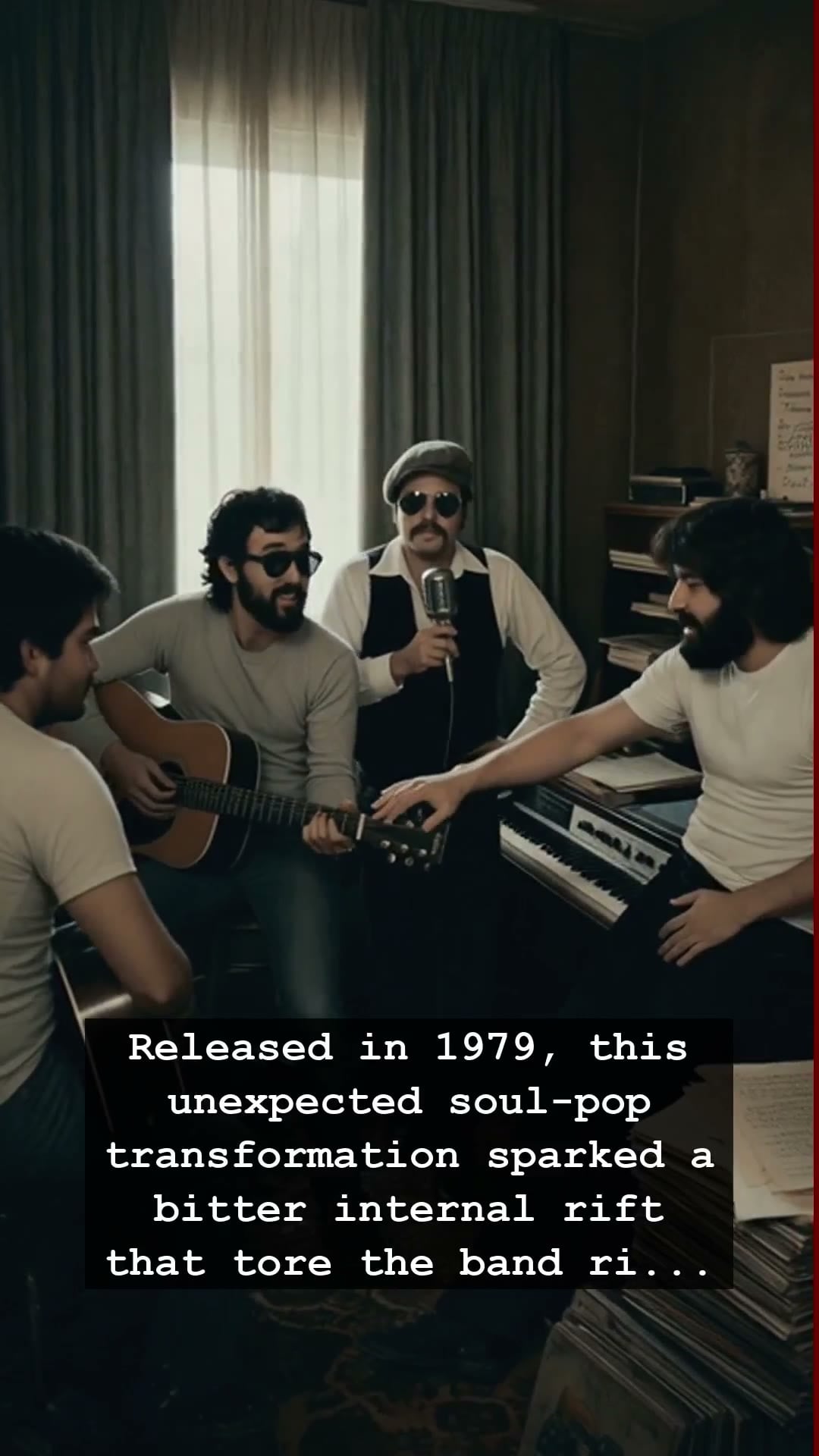
It was 1979, the peak of the disco era, and the airwaves were crowded with the shimmer of synthesizers and the pulsing beat of the dance floor. Amidst this sonic evolution, The Doobie Brothers stood at a dangerous crossroads. For years, the band had been synonymous with rugged, biker-bar rock and the highway-cruising energy of songs like China Grove. But as the decade drew to a close, a seismic shift occurred within the studio walls that would fundamentally alter their identity, igniting an internal firestorm that threatened to consume the very fabric of the group.
At the center of this transformation was the arrival of Michael McDonald. When his soulful, jazz-inflected vocals took command on the record Minute by Minute, the transition from gritty rock to polished, radio-friendly soul-pop was instant. While the song became a massive commercial triumph, propelling The Doobie Brothers into a new stratosphere of fame, it left the original members reeling. To the founding rock-and-roll core, this wasn’t just a stylistic pivot; it felt like a betrayal of their roots. The sound that dominated the airwaves at the time—the era of the Walkman and the evolving influence of MTV—demanded change, but the price was a deep, bitter rift that tore the band right down the middle.
The tension was palpable, turning recording sessions into battlegrounds of artistic ideology. On one side stood the traditionalists, clinging to the twin-guitar harmonies that had defined their early success, while the other side embraced the smooth, complex chord changes that McDonald brought to the table. This was not merely a debate over musical direction; it was an existential crisis regarding the soul of the band. The irony remains that this period of deep unrest produced some of the most enduring, sophisticated melodies of the late seventies, a testament to the fact that great art is often born from the friction of conflicting visions.
Looking back, the story of The Doobie Brothers during this transition serves as a quintessential cautionary tale of success and identity. It is a reminder that the late 1970s was a period where the industry was rapidly moving away from the raw, unpolished energy of the Woodstock generation toward the slick production values of the upcoming eighties. The Doobie Brothers were caught in the crossfire of this cultural shift, forced to navigate the treacherous waters between maintaining their loyal fanbase and chasing the ever-elusive sounds of modern pop perfection.
Today, we look back at this chapter not just for the songs, but for the raw humanity behind the music. The Doobie Brothers proved that even the most successful outfits are not immune to the ego-driven conflicts and creative betrayals that haunt every musical legacy. As you listen to the smooth, iconic keys of those late-seventies hits, remember the hidden drama that played out behind the scenes. It is a timeless story of how fame can both build a legacy and pull it apart at the seams.