
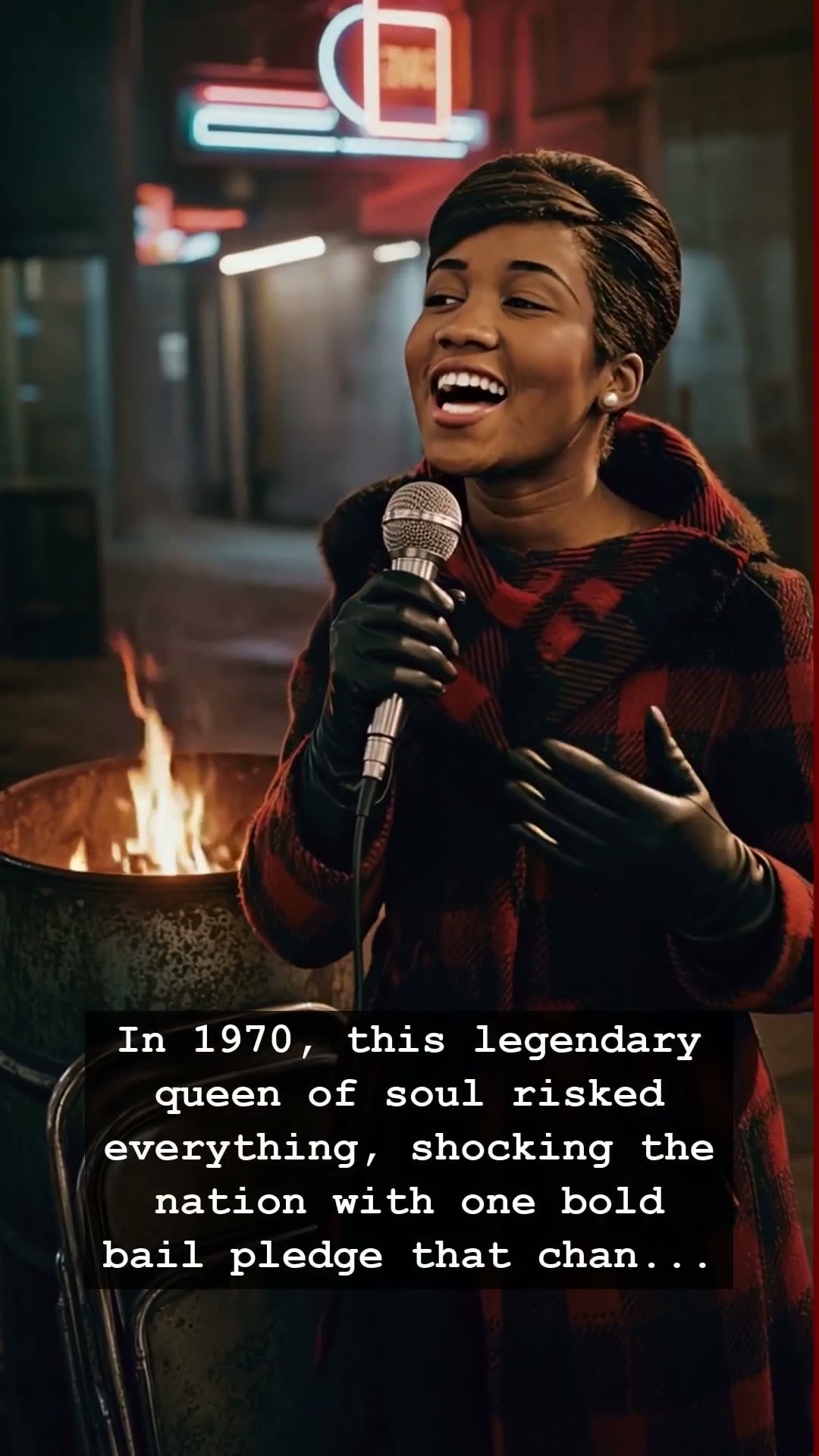
In 1970, the air in America was thick with the static of social upheaval. While the nation was glued to the flickering screens of their television sets watching the evening news, the Queen of Soul was preparing to make a move that would send shockwaves through the heart of the music industry. Aretha Franklin was already a household name, the voice that powered jukeboxes from Detroit to Memphis, but in that pivotal year, she decided that her platform was meant for more than just topping the charts. She made a public pledge to pay the bail for Angela Davis, an activist embroiled in a high-stakes legal battle that had divided the country. It was a daring gamble, one that could have easily silenced her soaring career in an era where entertainers were expected to stay in their lane.
To understand the gravity of this moment, you have to look back at the landscape of the late sixties and early seventies. This was a time when the echoes of Woodstock were fading, replaced by the grim realities of political unrest. Aretha Franklin was not just a singer; she was a cultural phenomenon. Her songs were the anthem of a generation fighting for dignity, yet when she stood up for her beliefs, the establishment didn’t just blink; it stared her down. The industry suits warned her that such a political stance would alienate her massive fanbase, but the Queen knew that true soul music was inherently tied to the struggle for justice. She wasn’t just lending her voice to a cause; she was risking the very empire she had built.
There is a profound, almost cinematic quality to the way Aretha Franklin carried herself during these turbulent times. While her peers were busy navigating the glittery decadence of Studio 54 or the neon-soaked excess of the disco era, she remained grounded in the gospel-rooted conviction that defined her life. The decision to post bail for an activist was not merely a headline-grabbing scandal; it was a testament to her character. She understood that her voice was a weapon, and she refused to keep it holstered when the people she identified with were facing the fire. It was an act of defiance that changed how the public viewed their idols, moving them from mere performers to powerful conduits of social change.
Reflecting on this moment today, it is easy to forget just how fragile her standing was at the time. The pressure to conform was immense, yet Aretha Franklin walked through the flames of controversy with an unmatched grace. She proved that when the music stops, the real legacy of an artist is measured by the courage they display when the spotlight is turned away. That spark of rebellion didn’t destroy her career; it solidified her as a legendary figure whose impact transcended the recording studio.
Decades later, the legacy of Aretha Franklin remains as potent as a needle hitting the groove of a classic vinyl record. Her life serves as a reminder that the golden age of American music was about more than just melody—it was about the heartbeat of a nation. As you listen to her iconic tracks today, remember the woman behind the voice who put everything on the line to stand for what she believed. It is a story of grit, soul, and a rare kind of bravery that keeps the music playing long after the era has passed.