
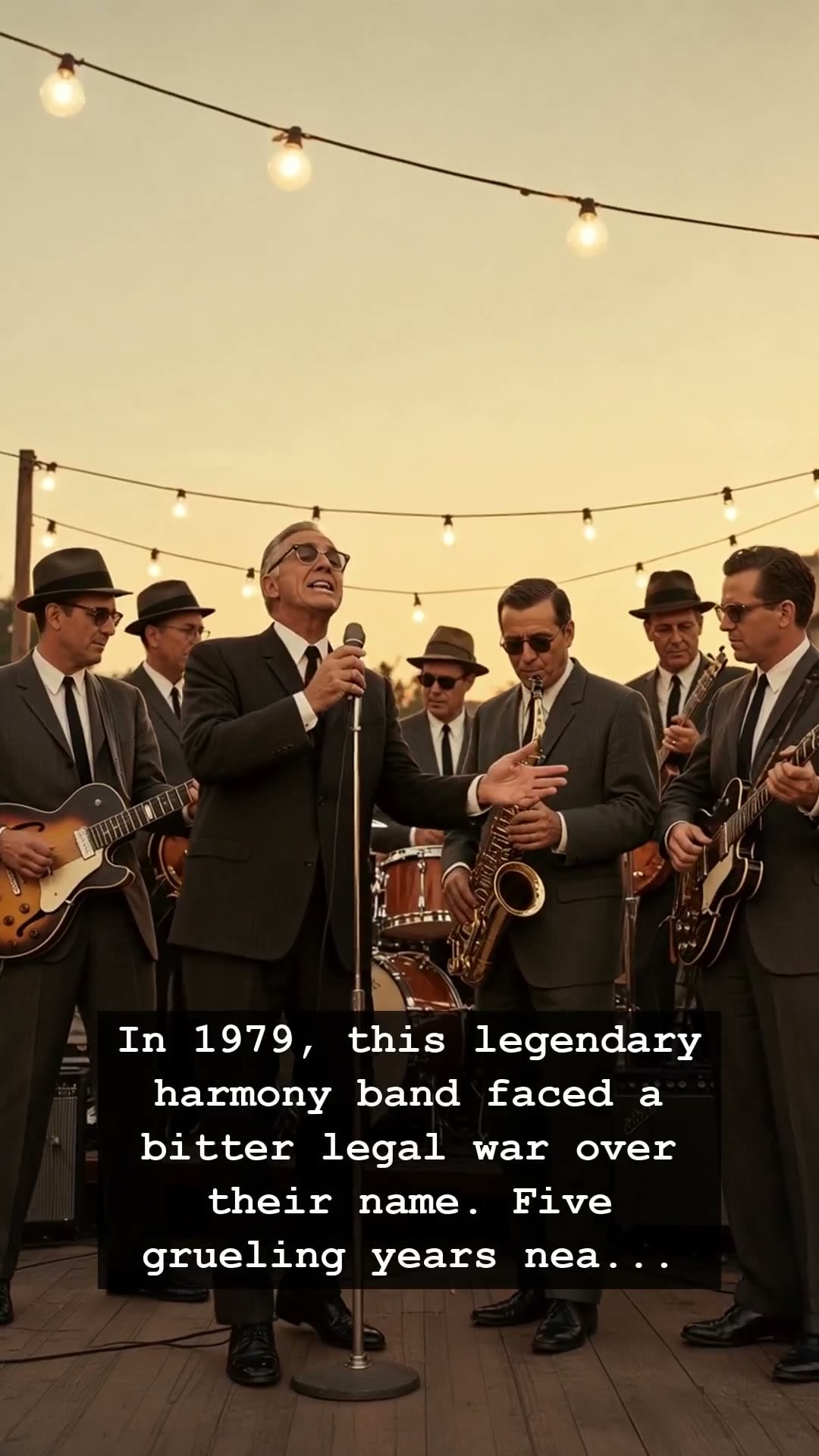
The golden age of American harmony was defined by the sunshine pop melodies of The Association. With tracks like Windy and Cherish, they dominated the charts in the mid-sixties, becoming the quintessential sound of a generation that believed in love, light, and perfect vocal blends. Yet, beneath the polished harmonies and the radio-friendly hooks, the group’s internal world was heading toward a catastrophic collapse. As the seventies drew to a close, the band that had once been the toast of the radio found themselves trapped in a nightmare that had nothing to do with music and everything to do with survival.
In 1979, the music industry was undergoing a radical shift. The era of the vinyl LP was competing with the dawn of the Walkman, and disco was beginning to eclipse the folk-rock sound that had made The Association a household name. But for the members of the band, the biggest threat wasn’t a changing cultural tide; it was a devastating legal war over the ownership of their own name. The struggle to retain the identity they had spent over a decade building became an exhausting marathon that drained their spirits and threatened to erase their place in rock history forever.
For five grueling years, the band members were tied up in courtrooms, trading the recording studio for sterile legal chambers. It is a haunting image—these musicians who had once stood together under the bright stage lights of the late sixties, now reduced to fighting for the right to call themselves The Association. The legal battles were bitter and deeply personal, tearing through the fabric of their long-standing professional relationships and turning bandmates into adversaries. It is the classic, tragic trope of the music business: the point where the business of fame devours the art that created it.
What makes the story of The Association so poignant is how easily the public forgets the cost of such conflicts. While fans were listening to their hits on jukeboxes or catching them on television, the band was fighting a war of attrition. This period of silence and litigation nearly purged them from the public consciousness, proving just how fragile a legacy can be. It was not just a battle for a name; it was a battle to keep their life’s work from becoming a footnote in a dusty legal archive.
Eventually, they reclaimed their identity, but the scars of that half-decade remained. Today, when we hear the opening notes of a song by The Association, we aren’t just hearing a sixties relic; we are hearing survivors. Their story serves as a stark reminder of the dark side of the spotlight, where even the most harmonious groups can be pulled apart by the weight of their own success. Do you still remember them, or has the noise of the years muffled the sound of their perfect, sunshine-filled harmonies?