
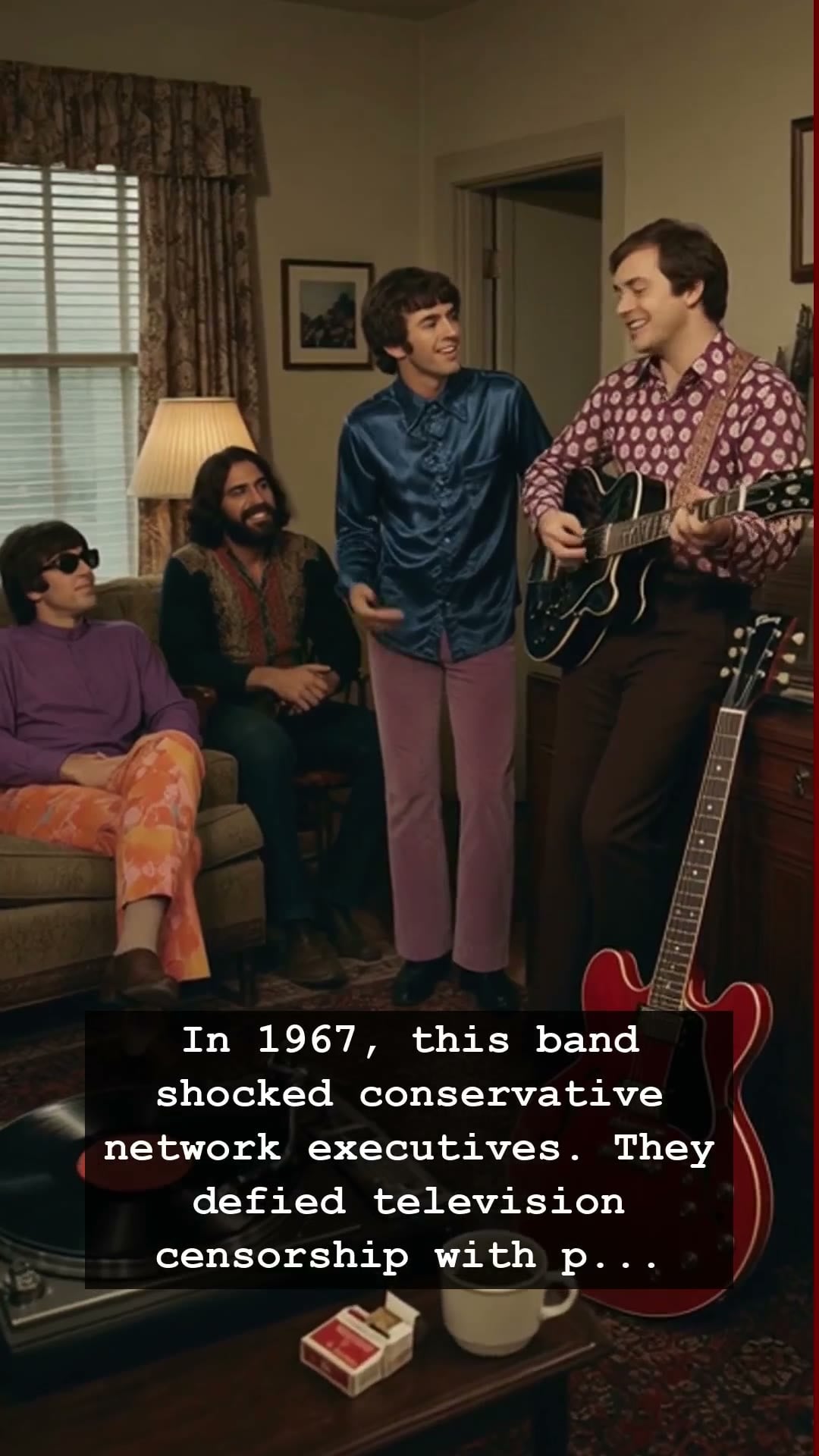
The year was 1967. The air in America was thick with the scent of rebellion, a heady mix of patchouli, gasoline, and shifting cultural tides. While the older generation gripped their television sets in a desperate attempt to maintain order, a group of four men from New Jersey was about to shatter the glass screen. The Young Rascals did not just walk onto a conservative network television set; they invaded it. With hair that touched their collars and a swagger born from the gritty streets of the East Coast, they dared to bring the raw, pulsating soul of the club circuit into the pristine living rooms of Middle America. For the network executives, it was a nightmare unfolding in real-time, but for the youth, it was a declaration of independence.
At the height of the mid-sixties, television was a strictly monitored sanctuary of wholesome performances and polished suits. The Young Rascals, however, were fueled by the sweaty, urgent energy of the juke joint and the R&B underground. When they stepped under those blinding studio lights, they weren’t interested in being polite house guests. They ignored the rigid censorship guidelines that demanded artists remain still and sanitized. Instead, they channeled the spirit of Motown and the grit of the rhythm and blues movement, turning their performance into a visceral, sweating, and undeniably soulful spectacle that risked their entire mainstream career.
This wasn’t just a band playing music; it was a collision between the fading establishment and a new, uncompromising era. Eddie Brigati, Felix Cavaliere, Gene Cornish, and Dino Danelli played with an intensity that made the surrounding silence of the censors feel like a vacuum. Every drum beat and Hammond organ swell was a thumb in the eye of the status quo. The network brass wanted them to play it safe, but The Young Rascals chose to stay true to their sound, refusing to compromise the raw grit that made their hits so magnetic. It was an act of defiance that could have ended in a permanent ban, effectively silencing their ascent into the annals of American rock history.
Yet, their courage proved that authenticity has its own gravity. As the camera lingered on their intense expressions and unconventional style, millions of viewers across the country suddenly realized that the world was changing. The Young Rascals were not just pioneers of blue-eyed soul; they were the thin edge of the wedge that forced television to accept the wilder, more unvarnished side of the counterculture. They turned the studio into a stage for the revolution, proving that even under the watchful eye of a broadcast network, the soul of a musician cannot be caged or silenced.
Looking back, the legacy of The Young Rascals remains a testament to the power of artistic integrity. In an age where everything was polished for mass consumption, they insisted on the sweat, the noise, and the truth. Their 1967 television showdown remains a legendary moment for those who remember the smell of vinyl records and the static of a flickering tube television. They remind us that sometimes, to change the world, you just have to walk onto a stage and refuse to play by someone else’s rules.