
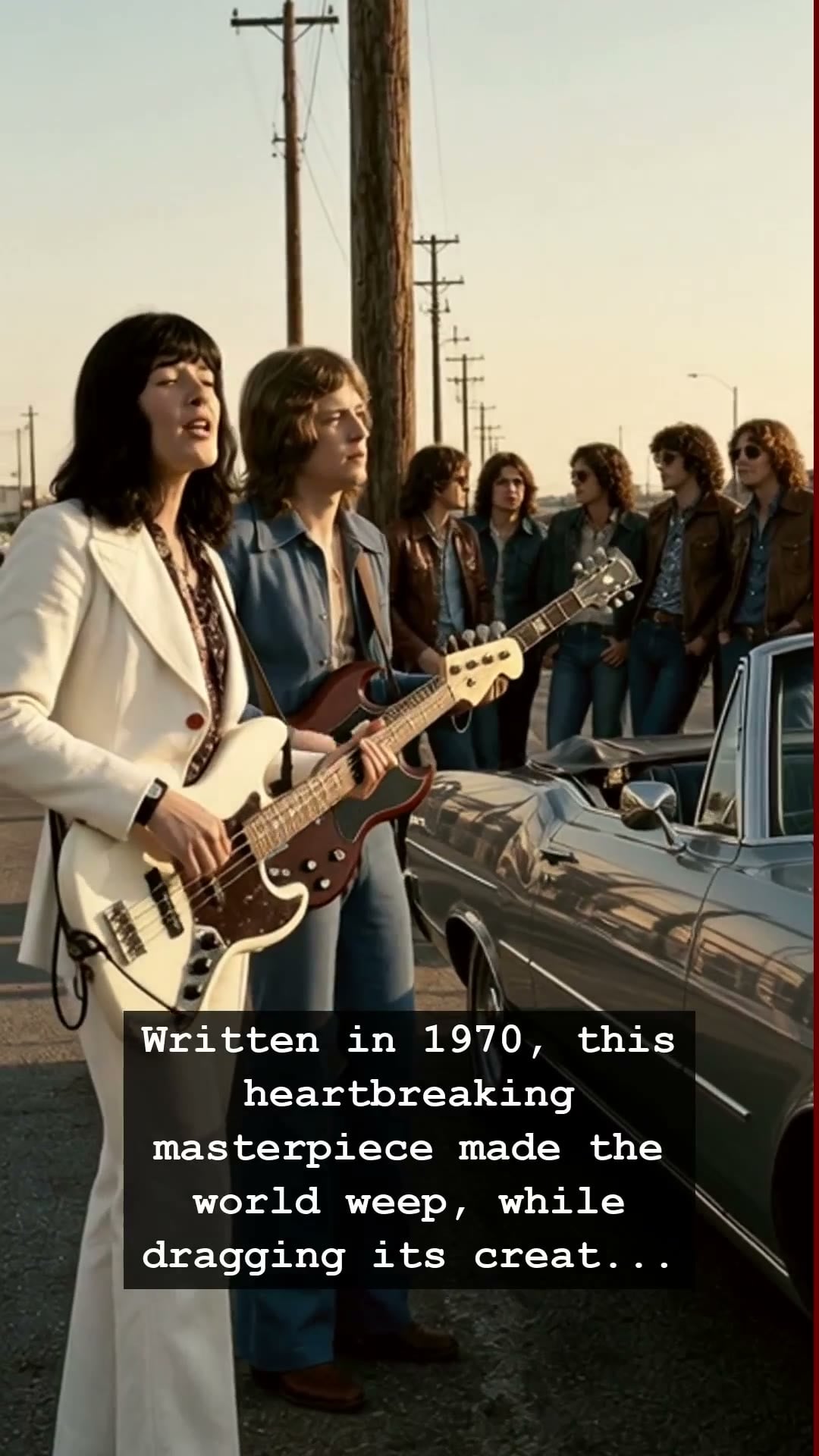
In 1970, a haunting melody began to drift from radio speakers and jukeboxes across the globe, capturing the raw essence of human longing. That song was Without You by the band Badfinger, a track so profoundly emotional that it defined an entire generation of power pop. Yet, while the world was weeping to its soaring chorus, the lives of the men behind the music were quietly unraveling in the shadows of the industry. This is not just the story of a chart-topping hit; it is the dark, lingering tale of how one of rock’s most promising acts was systematically dismantled by greed, betrayal, and the crushing weight of fame.
Badfinger arrived with the blessing of the Beatles, signed to the legendary Apple Records with dreams of changing the music world. They were the golden boys of the late sixties, possessing a melodic genius that seemed destined for immortality. As the decade shifted into the early seventies, they delivered Without You, a song that would later be immortalized by Harry Nilsson and Mariah Carey. But for Badfinger, the song became a double-edged sword. While their creative spark burned bright enough to rival the era’s biggest icons, their professional reality was becoming a nightmare of mismanaged contracts and predatory management that left them staring into a bottomless financial abyss.
The era of the early 1970s was a time of immense cultural transition, from the communal idealism of Woodstock to the corporate coldness that followed. As the members of Badfinger struggled to reconcile their massive global popularity with empty bank accounts, the cracks began to show. The band was caught in a cycle of exploitation that mirrored the darker side of the entertainment business during that volatile decade. While fans were purchasing records and celebrating the band’s ascent, the musicians themselves were trapped in a spiraling web of legal disputes and broken promises that stripped them of their royalties and, eventually, their spirit.
The tragedy of Badfinger remains one of rock music’s most difficult stories to confront. It is a cautionary tale about the intersection of artistry and industry, a reminder that the songs we hold dear are often born from the genuine suffering of their creators. The suicide of Pete Ham in 1975, followed years later by Tom Evans, cast a long, permanent shadow over the band’s legacy. These were not just names in a music history book; they were young men with immense talent whose lives were effectively erased by the very machine they had helped to power.
Today, when you hear the opening piano chords of Without You, it is impossible not to feel the weight of what was lost. The song stands as a monument to their talent, but it also serves as a poignant reminder of the human cost behind our favorite vintage tracks. Badfinger left behind a catalog of music that still resonates with anyone who understands the beauty of a perfectly crafted melody. Perhaps the best way to honor them is to listen again, not just to the music, but to the ghosts of the story behind the sound, remembering that even the most beautiful songs can hide the deepest of sorrows.