
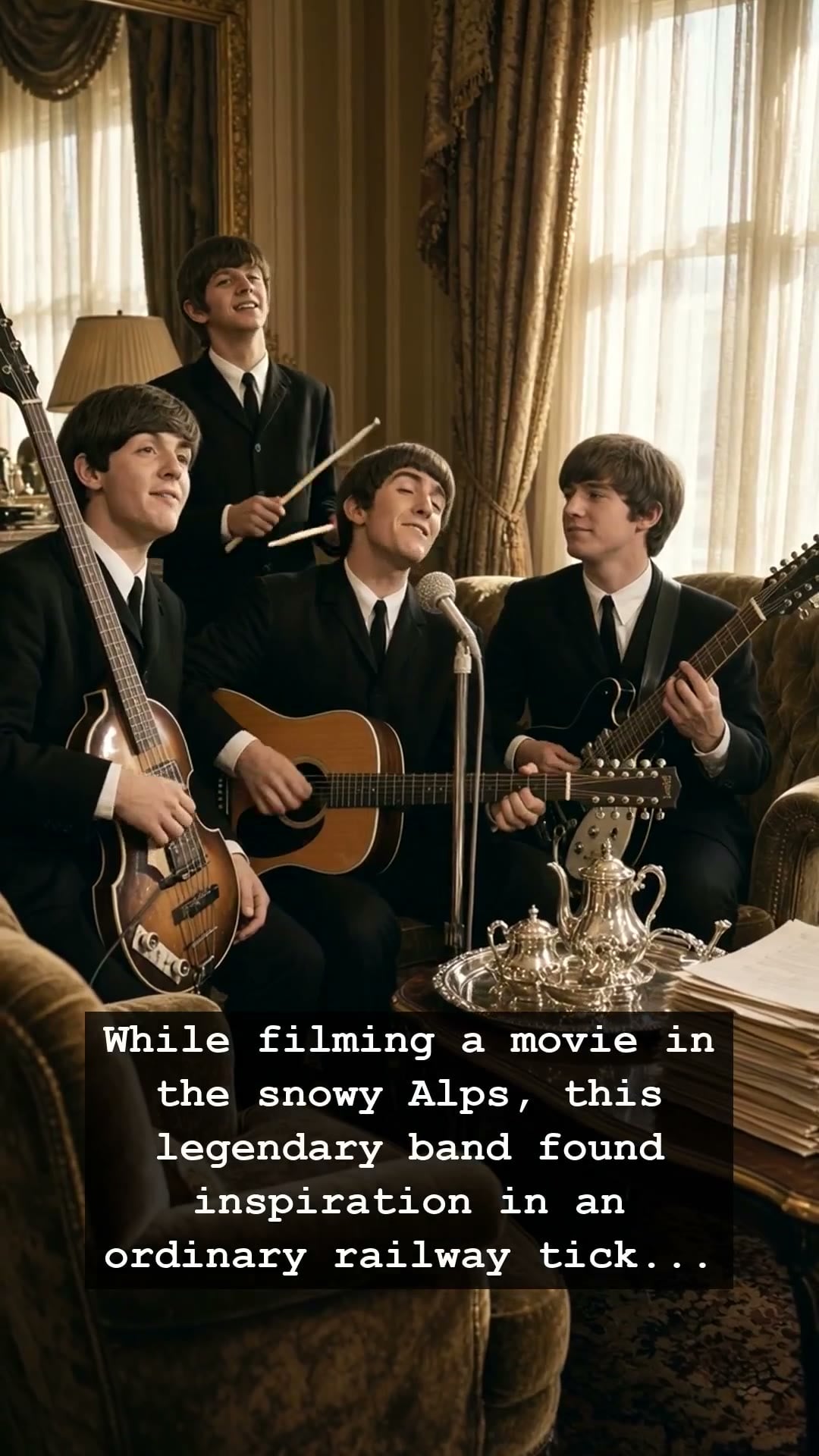
Picture the freezing winter of 1965 high up in the Austrian Alps. The Beatles were freezing on location while filming their iconic second feature movie Help! surrounded by blinding white snow and breathless mountain air. Between grueling takes on the ski slopes, the Fab Four retreated to a cozy Swiss chalet where the pressure of global superstardom weighed heavily on their young shoulders. They were exhausted, homesick, and trapped in a relentless machine of cinematic obligations and touring demands. Yet in that remote alpine isolation, away from the screaming fans and flashing cameras, a quiet spark was about to ignite a monumental shift in rock history.
John Lennon, staring into the flickering glow of a rustic fireplace, pulled a simple piece of paper from his pocket. It was an ordinary railway ticket from his travels, but looking at it triggered a powerful wave of nostalgia and profound emotional introspection. He began strumming his acoustic guitar, transforming that mundane transit stub into a deeply confessional melody. The raw vulnerability of the lyrics captured a sudden loss of youthful confidence, painting a vivid picture of a young man who suddenly needed help in ways the roaring stadium crowds could never quite understand.
When they finally returned to the recording studio in London, The Beatles poured this alpine atmosphere into a revolutionary masterpiece that would change the trajectory of popular music forever. Abandoning their traditional cheery pop formulas, they injected a biting folk-rock urgency, complex vocal harmonies, and innovative studio textures that shocked conservative critics. This track was not merely another chart-topping single; it was a desperate, authentic cry for emotional rescue disguised as an upbeat radio anthem, proving that even the most adored icons on the planet carried deep inner turmoil beneath their polished public facades.
Decades later, whether you are listening on a vintage vinyl record spinning on a dusty Jukebox or through a modern cassette in your Walkman, the haunting magic of that alpine moment still echoes with striking clarity. The song became a definitive cultural milestone of the mid-sixties, capturing the exact tipping point where adolescent pop stardom matured into profound artistic genius. It reminds us of a simpler era when physical tickets, handwritten lyrics, and analog recording tape held the weight of genuine human experience.
The legacy of The Beatles endures not just because of their unmatched melody-making, but because of their fearless willingness to bleed onto the page when life got cold and complicated. That snowy railway ticket in the Austrian Alps became a portal to emotional honesty, cementing a track that continues to resonate with every new generation of music lovers. Close your eyes, drop the needle on the groove, and let the timeless harmonies carry you right back to that unforgettable winter of 1965.