
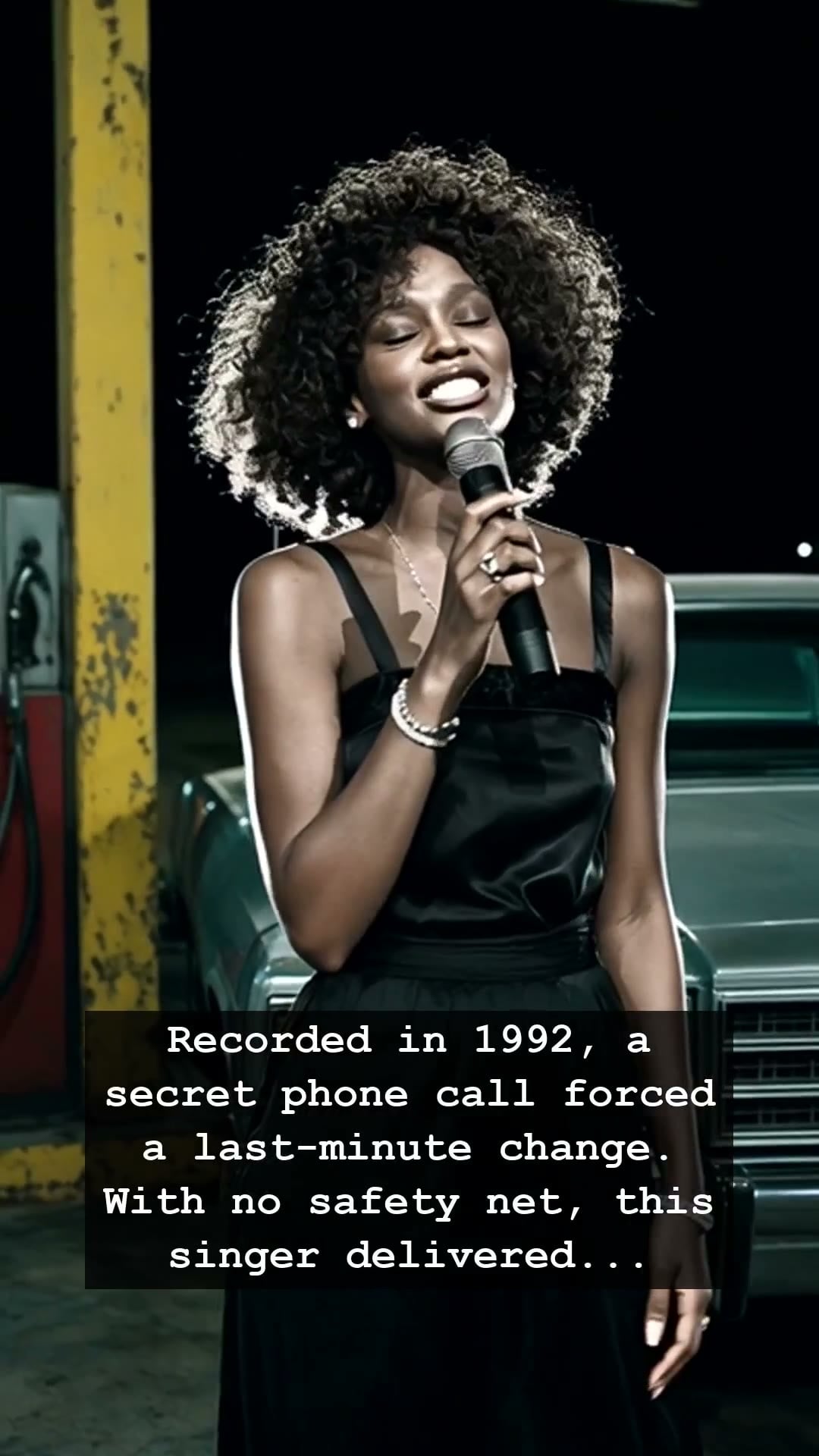
In the golden era of the early nineties, the airwaves were dominated by the glow of the Walkman and the burgeoning influence of MTV. Yet, tucked away in a quiet studio in 1992, Whitney Houston was about to deliver a performance that would transcend the pop charts and cement her status as a vocal deity. The story behind the opening of her legendary cover of I Will Always Love You is not just one of musical genius; it is a tale of a last-minute creative gamble that almost never happened. It remains a masterclass in how raw, unvarnished talent can rise above the pressures of the industry.
Everything changed with a tense, late-night phone call. As production for the film The Bodyguard was underway, the original arrangement for the song was proving to be a mismatch for the cinematic vision. Producers were scrambling, and the pressure on Whitney Houston was immense. She stood in the studio, stripped of the elaborate backing tracks and the polished safety net of modern studio production. She had to make a choice: follow the comfortable path or trust her instincts. In a moment of pure artistic clarity, she decided to start the song a cappella, a decision that was as bold as it was risky for a major pop star of her stature.
When Whitney Houston opened her mouth, the room went silent. Without a single instrument to lean on, she poured her entire soul into those first few lines. That unguided, vulnerable start was not just a stylistic choice; it was a testament to the immense power she held in her vocal cords. At a time when disco was fading and power ballads were the heartbeat of every arena, she redefined what a hit single could sound like. It was raw, it was human, and it was undeniably powerful.
This incident highlights the often-hidden chaos behind the polished veneer of nineties pop culture. While the public consumed the music through the warm analog hum of cassette tapes, the reality for Whitney Houston was one of extreme expectation. She was the golden voice of a generation, a woman constantly walking the tightrope between global superstardom and the crushing expectations of the music executives surrounding her. Her ability to pivot in the studio that day revealed the core of her artistry: she didn’t just sing songs; she inhabited them.
Decades later, the resonance of that acapella opening remains undiminished. It serves as a reminder of an era when a voice alone could stop the world in its tracks, long before the digital manipulation of today. The legacy of Whitney Houston is etched into the very fabric of American music history, proving that even in the face of sudden, unplanned professional hurdles, greatness tends to find its way through. As we look back on her career, we are reminded that some of the most enduring moments in musical history are born from the most unexpected of circumstances. Perhaps that is why, whenever we hear those opening notes, we still stop everything we are doing to listen.