
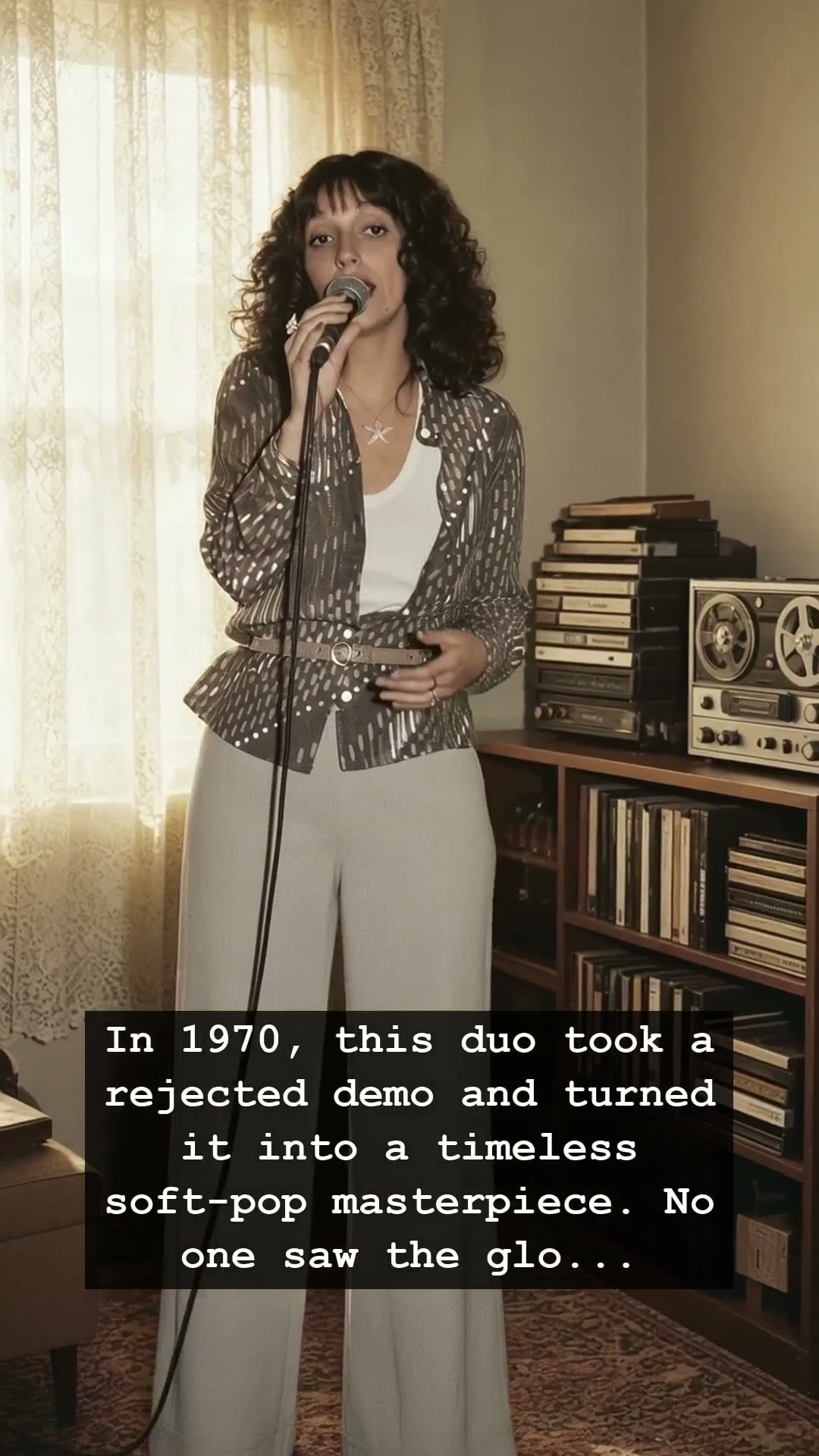
It was 1970, a year defined by the fading dream of Woodstock and the neon-soaked promises of an emerging new decade. In a claustrophobic recording studio, a brother-sister duo was desperately trying to breathe life into a forgotten melody that had been discarded by others. Nobody expected that this soft-pop experiment would soon echo from every living room jukebox and radio station across America. Karen and Richard Carpenter were on the verge of obscurity until they dared to reinvent a song written by the legendary Burt Bacharach, turning a piece of rejected sheet music into the melancholic masterpiece we now know as Close to You.
At the time, the airwaves were dominated by the heavy, distorted sounds of psychedelic rock and the evolving intensity of arena giants. Yet, The Carpenters offered something startlingly different. Richard Carpenter, with his meticulous ear for arrangement, saw the potential in Burt Bacharach’s complex chord progressions. He stripped away the cynicism of the era and replaced it with a lush, orchestral warmth that felt like a bittersweet embrace. While the world outside was transitioning through the chaos of the late sixties, this song captured a quiet, aching longing that resonated deeply with the soul of a generation standing on the threshold of change.
But the path to glory was far from seamless. Burt Bacharach was a perfectionist of the highest order, known for demanding absolute precision. When the siblings finally presented their interpretation, it was not an immediate triumph. There was a palpable tension in the studio; the delicate, velvet-smooth vocals of Karen Carpenter were being pushed to their absolute limits against complex arrangements that usually intimidated lesser vocalists. The result, however, was pure alchemy. It redefined the soft-pop landscape, effectively bridging the gap between the sophisticated pop of the early sixties and the polished, production-heavy sounds that would dominate the late seventies.
Looking back, the success of The Carpenters during this period was a paradox. As they ascended the charts, the shadow of fame began to cast a long, cooling light over their lives. The constant pressure of touring, the relentless demands of the label, and the public scrutiny of their squeaky-clean image masked a much more fragile reality. Their music provided a sense of comfort to millions of fans listening on their Walkmans or vinyl players, yet the emotional toll on Karen remained a tragic, often overlooked backdrop to their radiant success. The song was a paradox: incredibly sunny on the surface, but filled with a profound, lingering sadness that only Karen’s voice could perfectly convey.
Decades later, the haunting clarity of those vocal tracks remains untouched by time. Burt Bacharach’s genius met its perfect vessel in the siblings’ unique chemistry, creating a soundscape that defines the nostalgia of an era. Whether you heard it for the first time on a crackling car radio or discovered it in the quiet hum of a vintage record shop, that signature sound reminds us that some melodies never truly fade. As we look back at the history of pop, we are reminded that sometimes, the greatest art is born from the pieces others were too quick to throw away.