
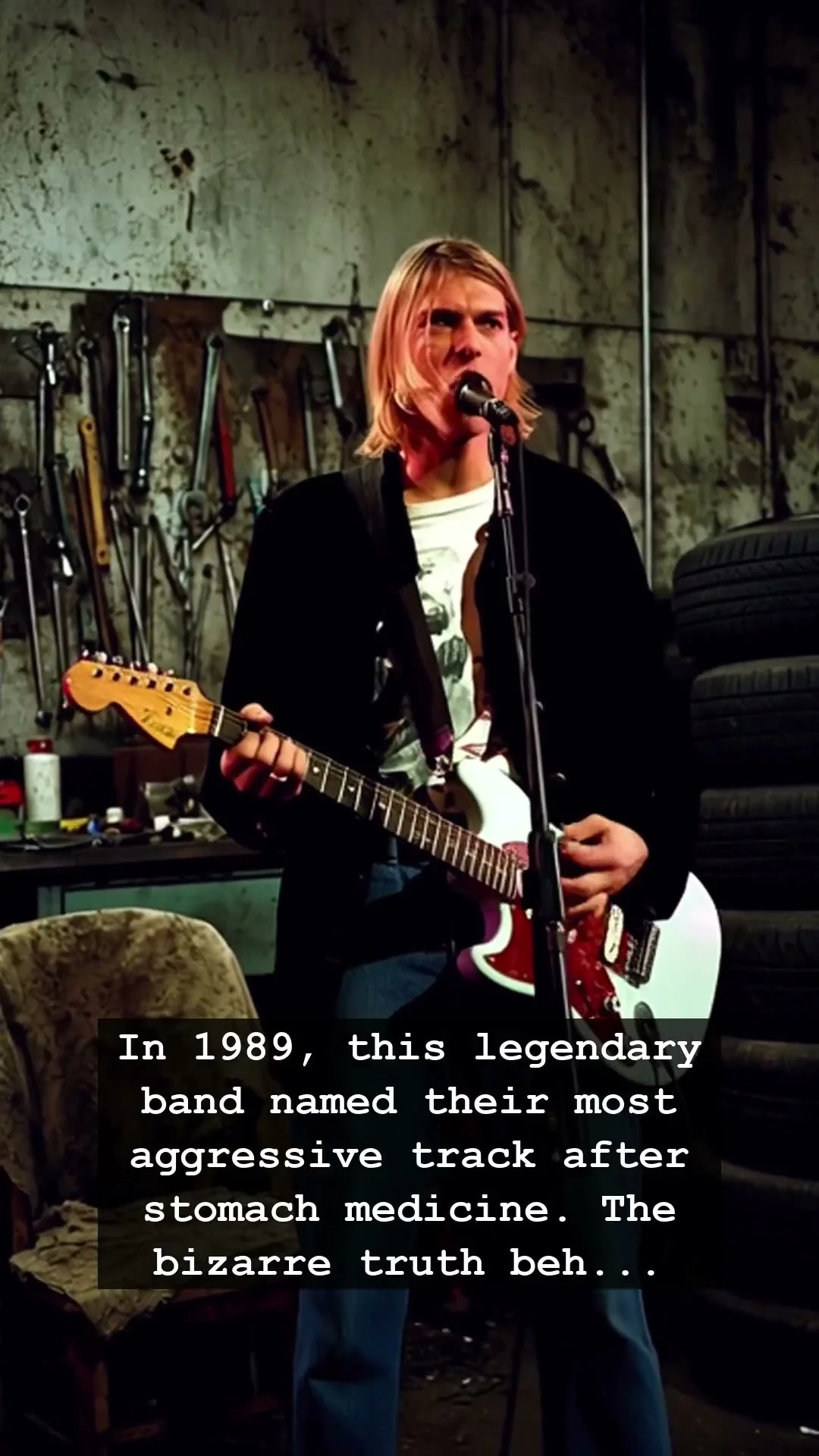
It was 1989, and the air in Europe was thick with the scent of stale beer, damp cigarette smoke, and the unwashed anticipation of a revolution brewing in the underground. A young, brooding trio known as Nirvana was deep into a grueling, demoralizing tour, dragging their battered gear across borders in a van that smelled of sweat and shattered dreams. They were broke, hungry, and entirely unaware that they were about to tear the fabric of American rock music apart. In the midst of this chaotic odyssey, they stumbled upon a title for their most blistering track, inspired by the most unglamorous item imaginable: a bottle of anti-diarrhea medicine.
While the world was still recovering from the neon-soaked decadence of the eighties, Nirvana was busy crafting the raw, discordant sound that would soon silence the stadium rock giants. The band members, led by the enigmatic Kurt Cobain, were living in a state of constant physical and emotional friction. The tour was a whirlwind of cheap motels and broken promises. During a particularly rough stretch, the band members found themselves scouring a local pharmacy for relief from the ailments of the road. It was there, among the shelves of antiseptic and stomach remedies, that a brand name caught their eye. It was visceral, clinical, and sounded surprisingly aggressive—perfect for the sonic assault they were cultivating.
This specific track would eventually become a cornerstone of the grunge movement, a genre that stood in stark opposition to the polished, hair-sprayed aesthetics dominating MTV at the time. Nirvana did not care about the radio-friendly hooks or the choreographed stage antics of the glam metal era. They were an authentic, messy, and deeply emotional force. When they finally laid down the music, the song carried that same frantic energy—a blend of jagged guitar riffs and guttural vocals that captured the collective angst of a generation feeling disillusioned by the bright, synthetic promise of the late eighties.
Looking back, the irony is palpable. One of the most defining songs of rock history, a track that would go on to soundtrack the disillusionment of millions, was birthed from the mundane misery of a touring musician’s upset stomach. It serves as a haunting reminder of the grit that birthed the Seattle sound. Grunge was never meant to be pretty; it was meant to be real. It was the sound of a generation turning its back on the excess of the past, trading the glitz of the disco era for the flannel-clad reality of a rain-soaked basement.
Today, the legacy of Nirvana remains untouched, shimmering with the same raw power it possessed three decades ago. Whether you discovered them through a dusty cassette tape in your Walkman or years later on a streaming playlist, the intensity of their music never wanes. It invites us back to a time when rock music felt dangerous again, a time when a simple trip to a pharmacy could spark a seismic shift in culture. As the echoes of their distortion continue to resonate, we are reminded that the greatest stories are often hidden in the most uncomfortable, unglamorous moments of our lives.