
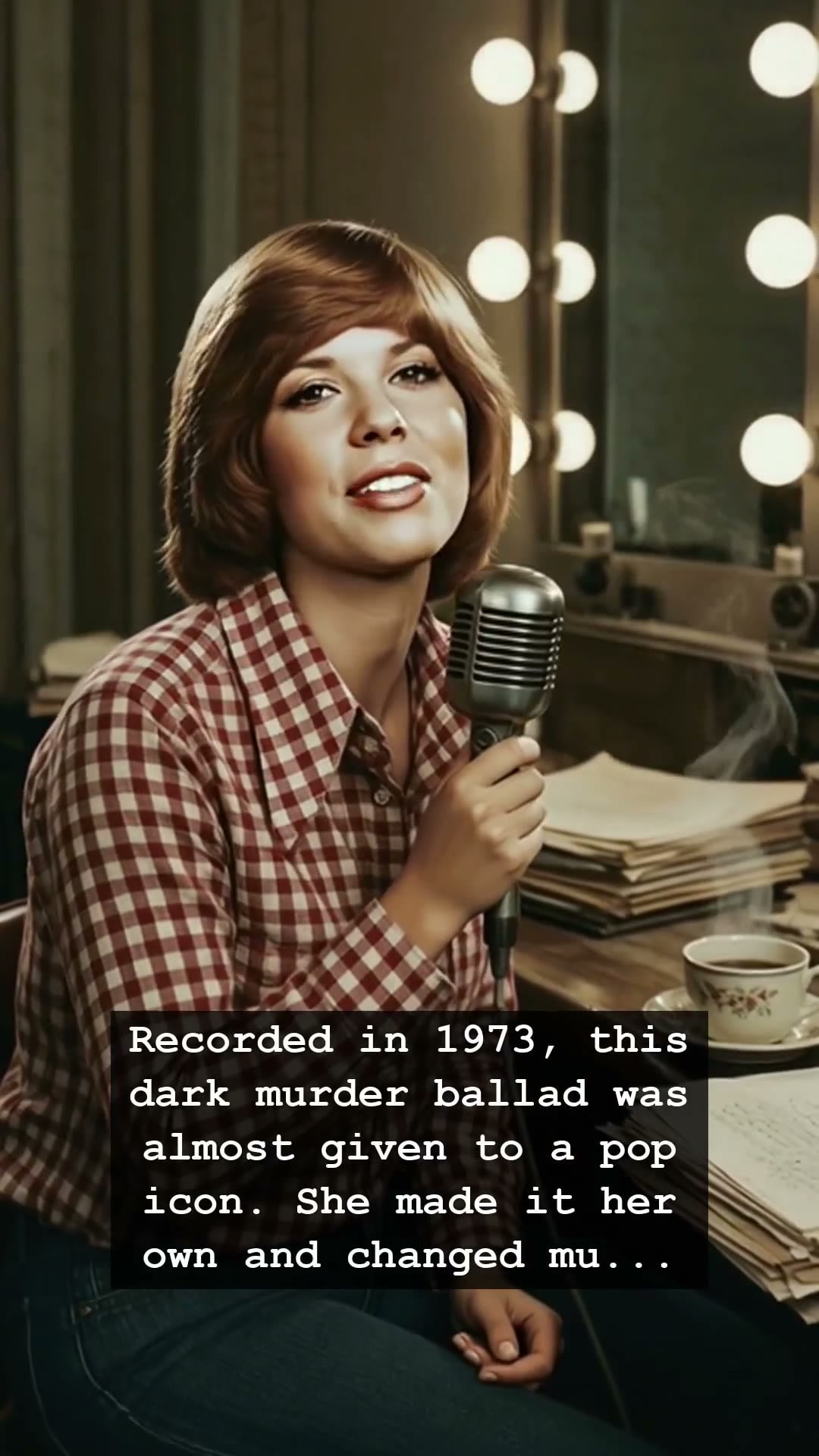
It was 1973, a year when the radio airwaves were saturated with the glitter of glam rock and the smooth grooves of early disco. Yet, amidst the sonic revolution of the seventies, a haunting southern gothic murder ballad emerged from the jukeboxes, chilling listeners to the bone. The Night the Lights Went Out in Georgia was not just another chart-topping hit; it was a gritty, narrative-driven masterpiece that defied the upbeat pop trends of the era. Many fans today are unaware that this dark tale of betrayal, courtroom drama, and cold-blooded justice was almost lost to another legend, as the songwriter Bobby Russell originally envisioned the track for the iconic Cher.
Bobby Russell, a master of evocative storytelling, wrote the song with a cinematic flair that demanded a commanding voice. While Cher was the first choice to inhabit the shoes of the narrator, it was Vicki Lawrence who ultimately claimed the song as her own. At the time, Vicki Lawrence was widely recognized for her comedic brilliance on The Carol Burnett Show, but she possessed a hidden, gravelly depth that perfectly matched the song’s somber tone. When she stepped into the recording studio, she discarded the comedic persona, choosing instead to channel the raw, unforgiving atmosphere of a humid Georgia night. Her performance transformed the track from a mere pop song into a timeless piece of musical theater.
The lyrics, which follow a twisted path of vengeance where a wife is executed for a crime she didn’t commit, captured a dark corner of the American South that was rarely touched by mainstream radio. It is a testament to the power of a well-told story, echoing the same storytelling traditions that would later define the works of southern gothic literature. Vicki Lawrence navigated the narrative with a haunting detachment that made the revelation of the true killer—the narrator’s younger sister—all the more shocking. This was not the bubblegum pop of the early MTV generation; it was something ancient, heavy, and undeniably human.
Why does this song continue to resonate decades later? Perhaps it is because it captures a specific moment in the American consciousness, a time when records were played on heavy turntables and songs weren’t just background noise, but immersive experiences. Vicki Lawrence took a risk by stepping away from her television fame to inhabit this tragic character, a move that solidified her place in music history. The production, sparse and atmospheric, allowed the story to breathe, proving that a strong narrative could easily rival the flashiest arena rock anthems of the seventies.
Reflecting on the legacy of The Night the Lights Went Out in Georgia, we are reminded of the intersection between unexpected stardom and creative destiny. Had the song gone to Cher, it might have been a different kind of hit, but it would have lacked the singular, transformative impact that Vicki Lawrence brought to the performance. As we look back on the music of the seventies, it remains a standout gem—a reminder that sometimes, the darkest stories make for the most beautiful music. Next time you hear those opening piano chords, listen closely; you are hearing the voice of a performer who didn’t just sing a hit, but told a story that refused to be forgotten.