
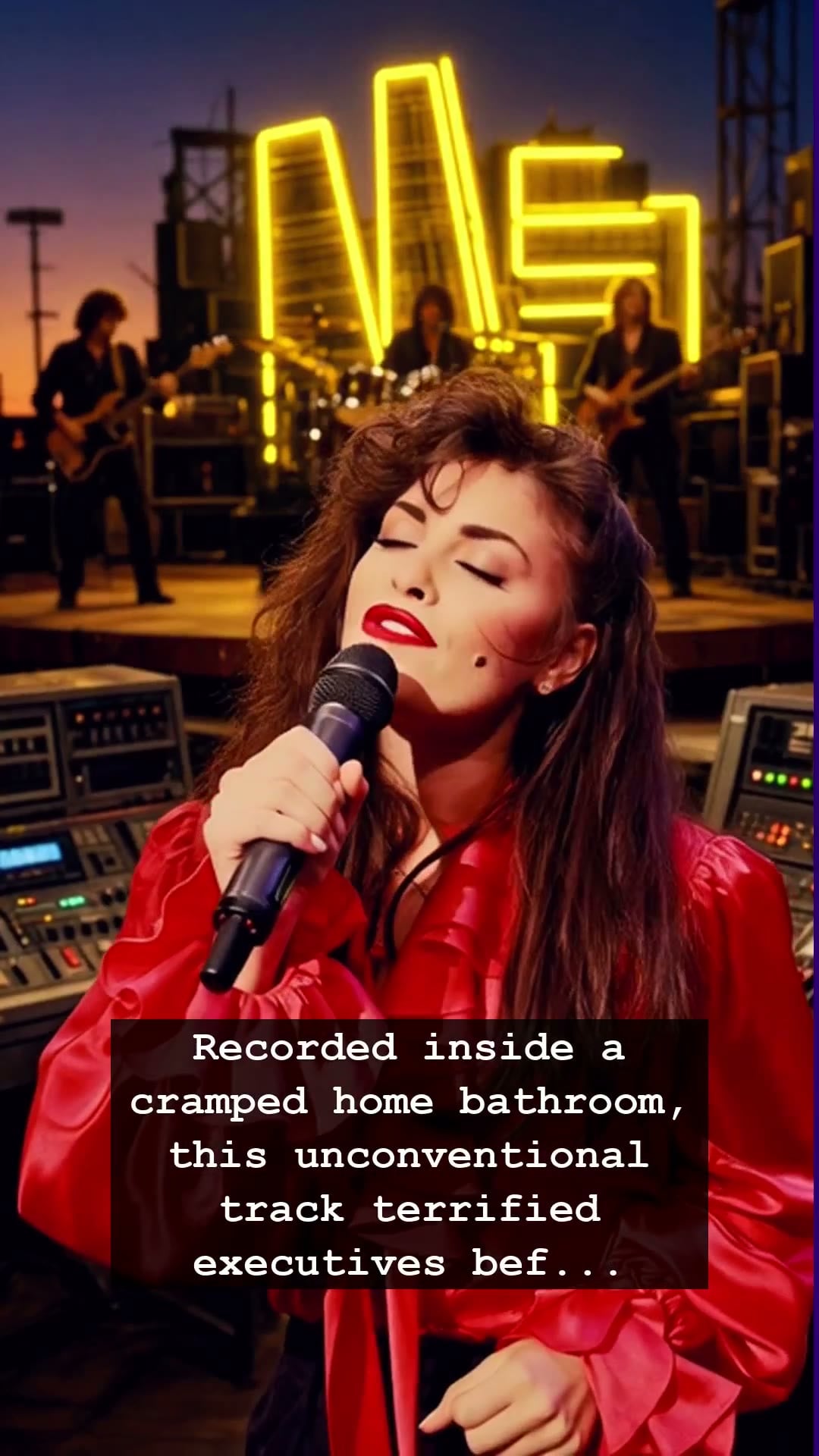
The year was 1988, and the music industry was a kingdom of polished, high-budget perfection. Studios were cathedrals of excess, yet one of the most iconic sounds of the era began in the most unglamorous place imaginable: a cramped, tiled home bathroom. Paula Abdul, then better known as the brilliant choreographer behind Janet Jackson, was ready to step into the spotlight. But the path to stardom was far from smooth. Her debut recordings, specifically the tracks that would define her meteoric rise, were born out of DIY ingenuity that terrified music executives who were used to slick, expensive production methods. They believed a track birthed in a bathroom, lacking the sheen of a top-tier studio, was a recipe for commercial suicide.
Paula Abdul was not just a singer; she was a kinetic force of nature. While the record labels panicked over the unconventional acoustics and the raw, experimental nature of her early tapes, she possessed a vision that transcended the technical limitations. She understood movement, rhythm, and the emerging visual language of the decade. When she finally unleashed her music, the world did not care about the origin of the sound waves. Her debut album, Forever Your Girl, became a lightning rod for pop culture. It felt fresh, urgent, and undeniably cool, proving that authentic talent could shatter the gatekeepers’ expectations of what a hit record should look and sound like.
MTV was the undisputed kingmaker of the late eighties, and once Paula Abdul hit the screens, the phenomenon was unstoppable. Her music videos weren’t just promotional clips; they were masterclasses in choreography and style that defined the aesthetic of a generation. The juxtaposition of her background as a dancer with these addictive, hook-laden tracks created a synergy that made her a household name almost overnight. It was the era of the Walkman and the neon-soaked dance floor, and Paula Abdul was the pulse of it all, bridging the gap between street-smart dance moves and mainstream radio dominance.
Yet, the drama behind the scenes was as intense as the rhythm on the tracks. Despite the chart-topping success, Paula Abdul faced constant scrutiny, with rumors about her vocal capabilities circulating in an era where live performance standards were shifting rapidly. She weathered the storm of skepticism, consistently proving that her work ethic and artistic intuition were the pillars of her success. She survived the grueling pressure of celebrity life, standing tall as a pop icon while the industry around her evolved from the synth-pop brilliance of the eighties into the grittier sounds of the nineties.
Looking back today, the story of how Paula Abdul rose to global fame is a testament to the magic of the unexpected. It reminds us that passion, grit, and a bit of unconventional thinking can overcome the rigid barriers of even the most powerful institutions. The next time you find yourself listening to those familiar, infectious beats from the late eighties, remember the bathroom echo that started it all. Her journey remains a golden chapter in the history of American music, a nostalgic trip back to a time when pop was truly, unapologetically electric.