
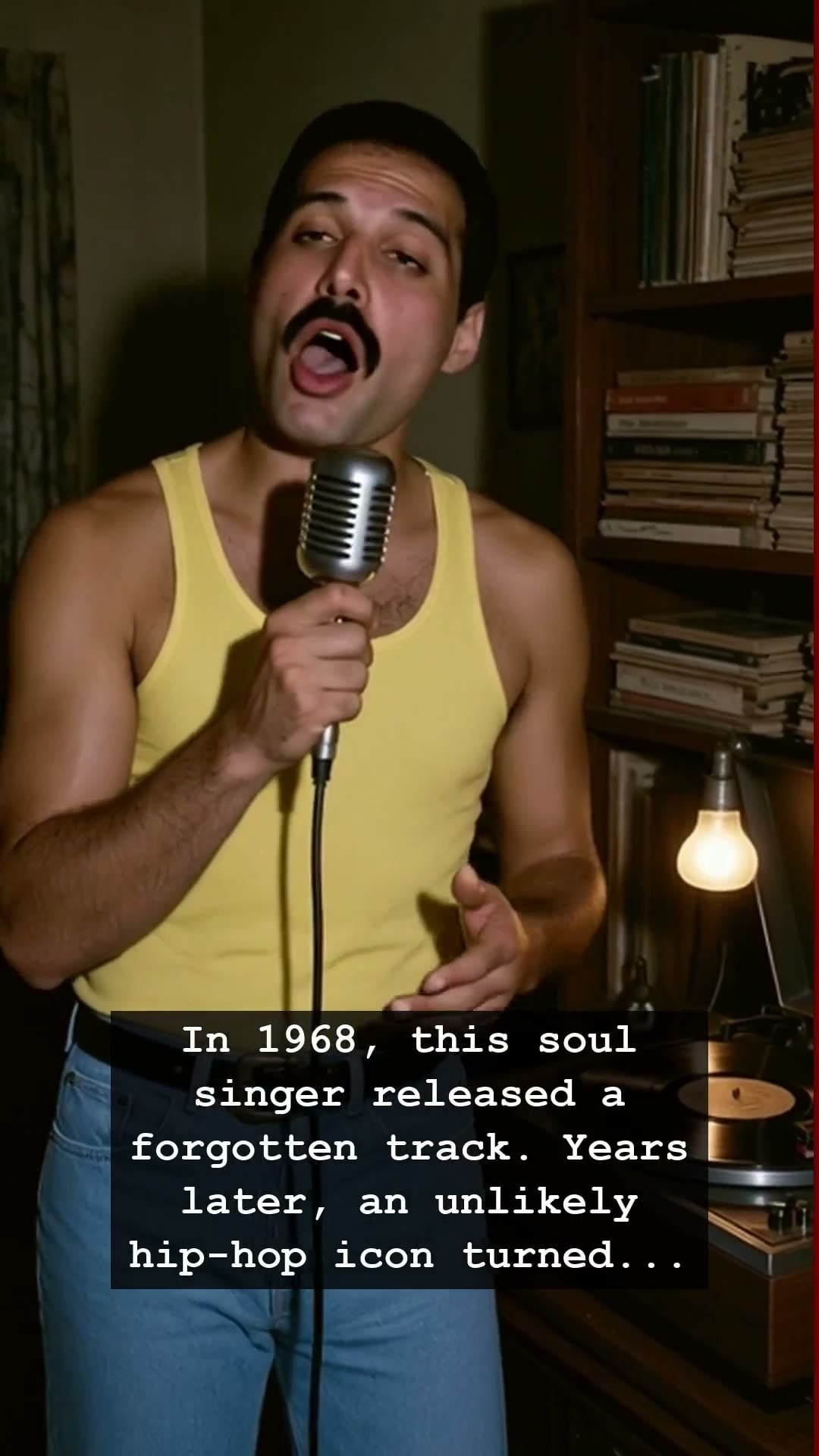
In the smoke-filled, dimly lit soul clubs of the late 1960s, a voice often went unnoticed despite its sheer, unadulterated power. Freddie Scott was a man who lived and breathed the rhythm of the era, yet for much of his career, he remained a footnote in the grand annals of Motown and Atlantic Records history. While the radio waves were saturated with the polished sounds of pop sensations, Freddie Scott was crafting something raw, desperate, and deeply human. In 1968, he released a track that would ultimately vanish into the void of forgotten vinyl, destined for the dusty bins of record stores rather than the charts of the Billboard Hot 100.
The industry at the time was a ruthless machine, often chewing up talent and spitting out the bones. For Freddie Scott, the struggle was not for a lack of talent but a lack of visibility in an era where the market was obsessed with the next big trend. This particular track, a masterpiece of emotive storytelling and piano-driven melancholy, failed to capture the ears of mainstream radio DJs. It was effectively buried, trapped in the grooves of a record that few people bought and even fewer remembered. He was a quintessential soul man, left behind by the shifting cultural tides as the industry prepared to transition from the soulful melodies of the sixties to the experimental sounds of the coming decade.
Decades later, the ghosts of 1968 were summoned back by an unlikely source. As the golden age of hip-hop began to synthesize the remnants of the past, a legendary producer dug through the crates and found the hidden soul of Freddie Scott. That forgotten piano line, once ignored by the masses, was looped and transformed, becoming the backbone of a global hip-hop anthem that redefined the nineties. It is a haunting irony that a song which couldn’t get a second of airplay in 1968 would eventually become an immortal piece of music, recognized by millions who never knew the name of the man who first sang it.
This resurrection of Freddie Scott serves as a poignant reminder of the enduring power of genuine artistry. In an age before the digital ubiquity of the internet, when music lived and died by the spinning needle of a turntable, so many voices were lost to the silence of indifference. Yet, the emotional resonance of those recordings remained, waiting for the right moment to surface. The bridge between the soul era and the boom-bap generation was built on these very samples—a testament to the fact that talent, no matter how obscured, eventually finds its audience.
Today, listening to Freddie Scott offers more than just a trip down memory lane; it is a confrontation with the ghosts of musical history. It forces us to wonder how many other legends were left behind, their contributions relegated to the shadows of commercial failure. Freddie Scott was a man whose voice possessed the weight of human experience, and while it took thirty years for the world to catch up to him, his legacy is now cemented in the DNA of modern music. As the record crackles and that familiar, soulful melody begins to play, one cannot help but feel the weight of time and the beauty of a second chance.