
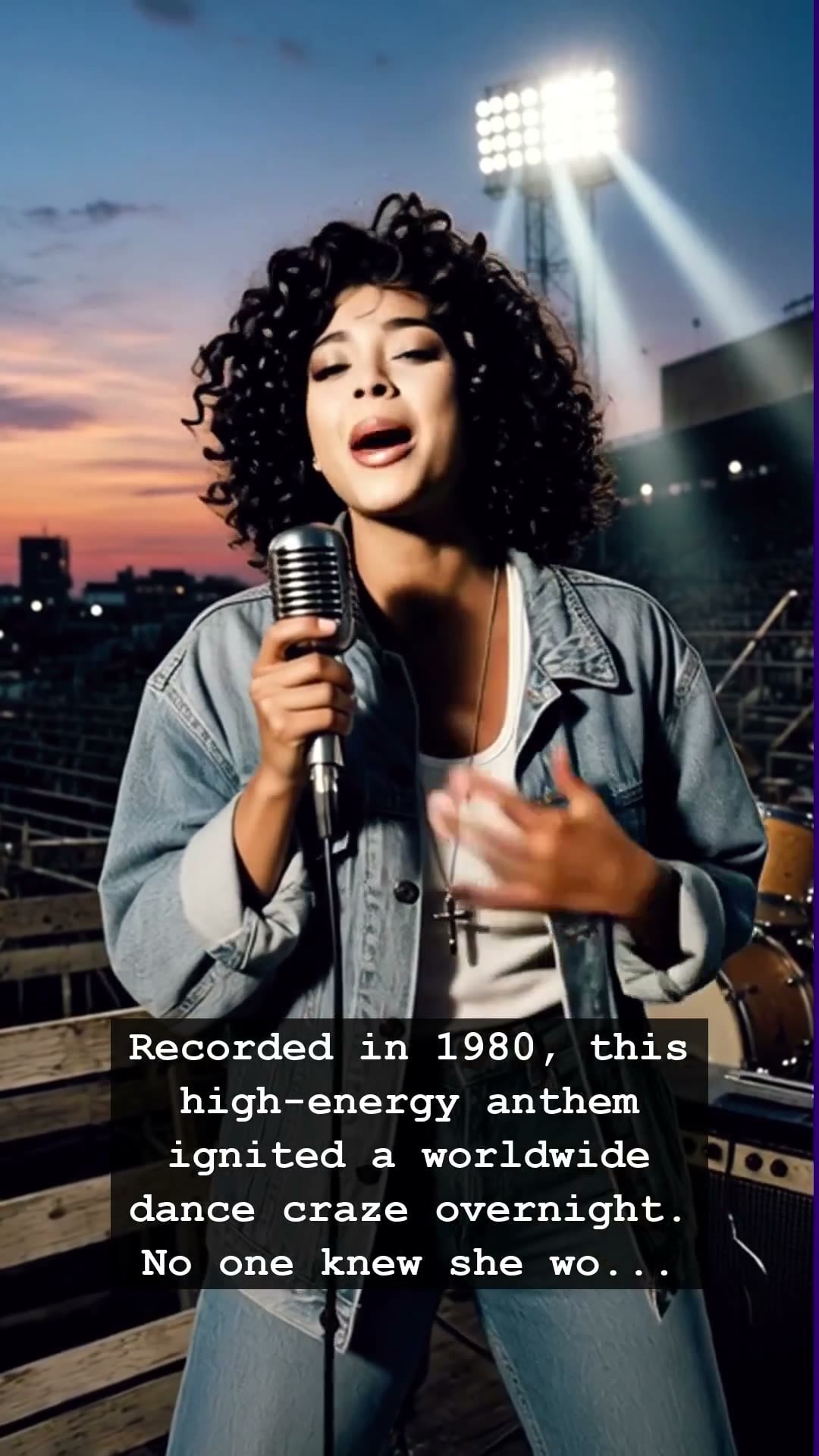
It was 1980, and the airwaves were shifting from the fading glitter of disco to the neon-soaked, pulsating heartbeat of a new decade. In the center of this transformation stood a powerhouse named Irene Cara, a woman whose voice would soon define the soundtrack of an entire generation. When she stepped into the recording booth to belt out the title track for Fame, she didn’t just record a song; she ignited a global frenzy that turned leg warmers into high fashion and dance schools into the new cathedrals of youth culture. But behind that explosive, high-energy synth-pop anthem lay a story of a young artist catapulted into stardom, unaware that she was about to become the definitive face of a decade.
Irene Cara brought a raw, street-smart intensity to the role of Coco Hernandez that the Hollywood establishment wasn’t quite prepared for. While the studio executives expected a polished, traditional performance, Irene Cara delivered something far more dangerous and authentic. She was the spark plug for a cinematic experience that resonated far beyond the silver screen. In an era before the internet, the track climbed the charts through pure word-of-mouth and the sheer magnetic pull of MTV, which was just beginning to turn musicians into visual icons. The song became a universal rallying cry for dreamers everywhere, echoing in suburban basements and crowded urban dance floors alike.
Behind the scenes, however, the life of Irene Cara was a complex landscape of triumph and the often-crushing pressure of overnight fame. While the public saw a radiant star, the industry was a grueling machine that pushed its legends to the breaking point. She navigated the treacherous waters of 1980s show business with a tenacity that defined her character. She wasn’t just a voice; she was an architect of the era’s aesthetic. The song did more than sell records; it created a cultural touchstone that tethered itself to the Walkman-toting youth of the eighties, making every listener feel as though they were walking the halls of a prestigious performing arts school.
Looking back at that pivotal moment in music history, it is clear that Irene Cara provided the soul for a movement that prioritized ambition and grit. Her performance in Fame, and her subsequent dominance of the charts, solidified her status as a titan of the synth-pop revolution. She managed to bridge the gap between the waning influence of late seventies soul and the sharp, electronic edge of the coming decade. Even now, decades later, the moment the opening chords hit, one is instantly transported back to the neon glow of a simpler time, when the promise of fame felt like an attainable destination for anyone with enough talent.
To listen to Irene Cara today is to revisit a threshold of cultural transformation. She remains an enduring icon whose influence persists in every modern dancer and aspiring singer who dreams of making it big. While the trends of the eighties have ebbed and flowed, the power of her voice remains an unshakable constant in the tapestry of American music. As we look back, we realize that she wasn’t just singing a song about reaching for the top; she was actively redefining what it meant to be a legend. Do you still remember where you were when that beat first changed everything?