
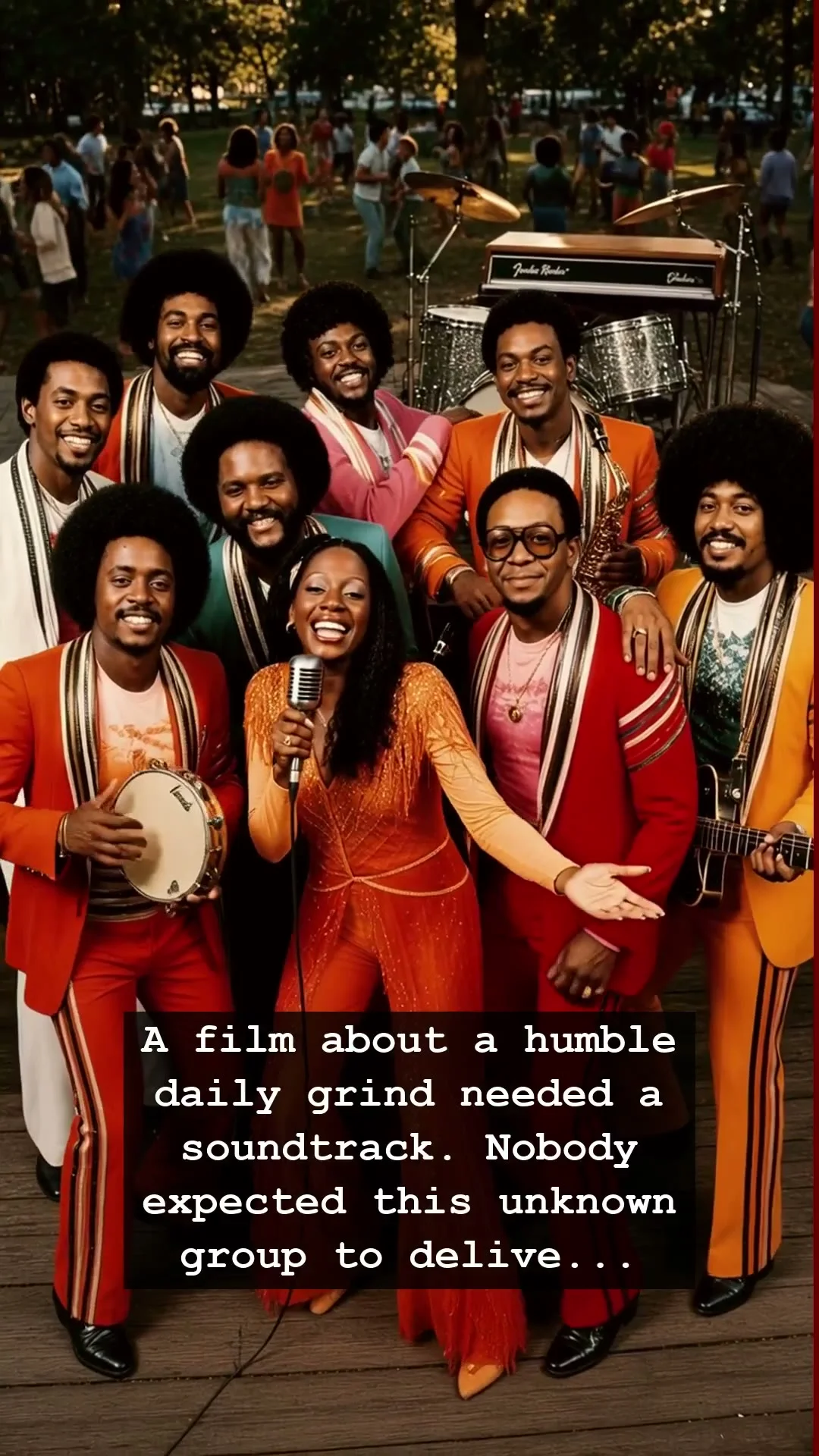
It was 1976, and the airwaves were dominated by the polished sheen of disco and the remnants of psychedelic rock. Deep in the heart of Los Angeles, a struggling, anonymous backing band was simply trying to keep the lights on. They were never meant to be the face of a movement, yet they delivered a groove so infectious it didn’t just top the charts—it defined the grit and glory of an entire decade. Meet Rose Royce, the group that stepped out of the shadows of the recording studio to create a funk phenomenon that arguably outlived the very film it was commissioned to soundtrack.
The story of Rose Royce begins not in a glamorous penthouse, but in the humdrum reality of a daily grind. When the producers of the film Car Wash needed a theme song, they turned to Norman Whitfield, a legendary Motown songwriter. He brought in this ensemble, a group of talented musicians who had spent years as session players for the likes of The Temptations. They were technically sound, hungry, and entirely underestimated. The result was the title track, Car Wash, a song that perfectly captured the soulful, rhythmic heartbeat of 1970s urban life. It was a rhythmic manifesto that turned a mundane chore into a dance floor imperative.
What makes the rise of Rose Royce so fascinating is the sheer improbability of their success. In an era when music production was becoming increasingly clinical and detached, Rose Royce brought a raw, unvarnished energy to their performance. Their sound was a bridge between the gritty soul of the late sixties and the slick production of the late seventies. When the song hit the radio, it wasn’t just a hit; it was a cultural wildfire. The rhythmic snap of the guitar, the soaring brass sections, and the iconic, joyous vocals became the quintessential sound of a generation driving through the neon haze of a post-Vietnam America.
Yet, the glitz of their sudden fame masked a turbulent reality. Being thrust from the background to the front of the stage is a dangerous transition, and Rose Royce was not immune to the pressures of sudden stardom. The music industry in the mid-seventies was a vortex of conflicting interests, heavy industry pressure, and the grueling cycle of touring. For a group that was accustomed to the anonymity of the studio, the blinding lights of massive concert venues and the expectations of a global audience were a double-edged sword that tested the very fabric of their camaraderie.
Decades later, the legacy of Rose Royce remains as vibrant as ever. Their music serves as a time capsule, transporting us back to an era when the Jukebox was king and the radio was the primary pulse of our collective culture. Whenever the opening chords of their signature track hit the speakers, you are instantly transported to that specific, cinematic moment of the seventies. It is a reminder that sometimes, the most enduring art doesn’t come from the industry giants, but from the humble, hardworking souls who simply wanted to find their groove. As we look back through the lens of nostalgia, it is clear that Rose Royce didn’t just give us a song; they gave us the soundtrack to a life lived in motion.