
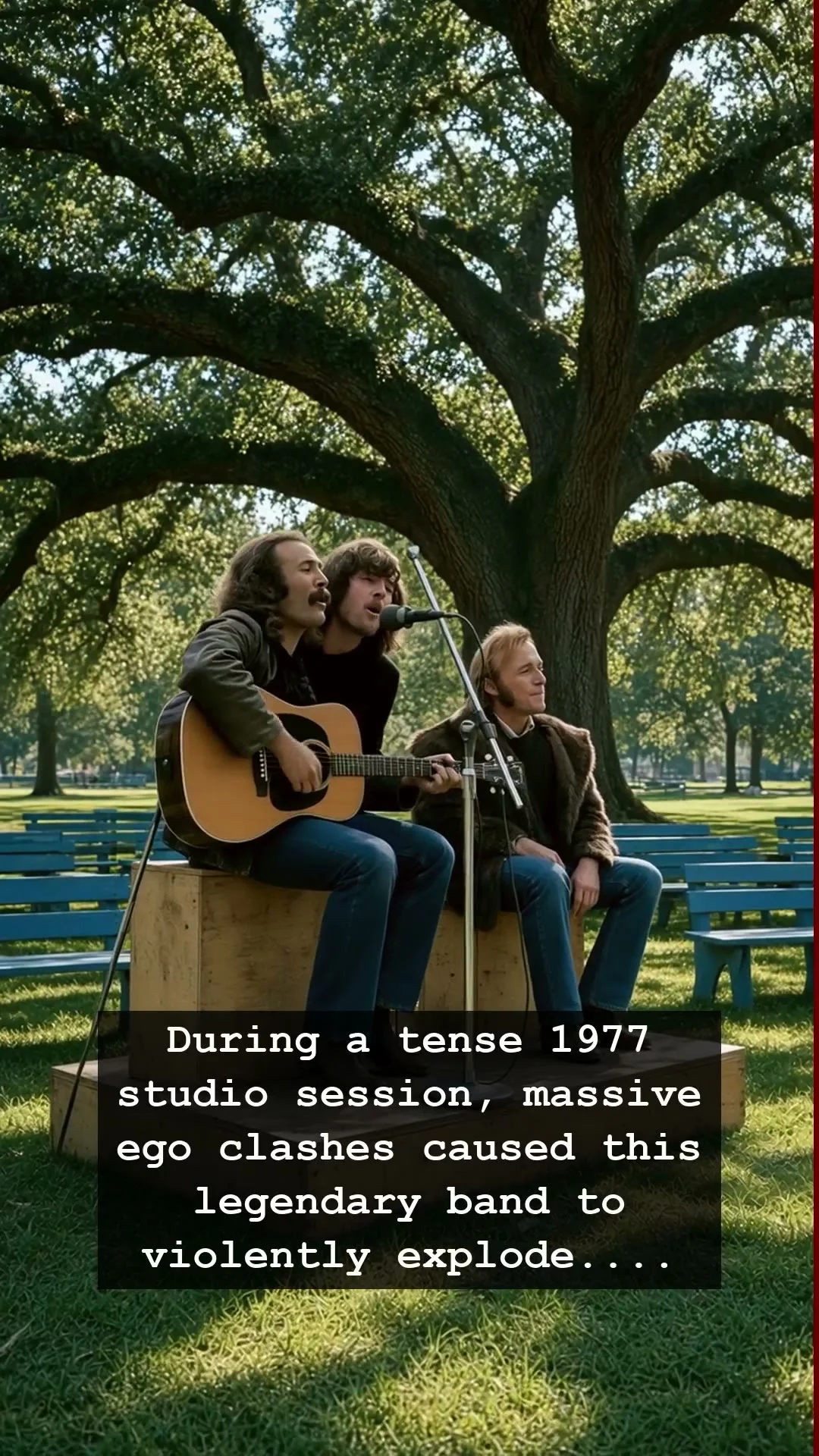
It was 1977, a year defined by the neon pulse of Studio 54 and the rising dominance of FM radio, but inside the cramped, smoke-filled confines of a recording studio, the harmony that once defined a generation was turning into a cacophony of broken egos. Crosby, Stills and Nash, the folk-rock legends who had captured the idealism of Woodstock and brought three-part harmonies to the masses, were tearing themselves apart. The air was thick with the scent of stale coffee and unbridled resentment. What began as an attempt to capture lightning in a bottle for a new record quickly devolved into a series of volcanic shouting matches that left the studio walls shaking and the sound engineers praying for a quick exit.
At the center of the storm was the creative tension that had plagued the trio for years. David Crosby, Stephen Stills, and Graham Nash were no longer just musicians; they were three independent powerhouses, each convinced that their own vision for the band was the only way forward. In the midst of these grueling sessions, the ego clashes became personal, sharp, and profoundly toxic. The brotherhood that had once survived the highs and lows of the late sixties was fracturing under the weight of substance abuse and the shifting tides of the music industry. It reached a boiling point where the music mattered less than the impulse to win a petty argument.
One evening, as the tension became physically stifling, one member reached his limit. With a final, explosive outburst that silenced the room, he walked out of the recording studio in pure disgust. He left behind a half-finished track and his bandmates, choosing the solitude of the outside world over the suffocating pressure of a partnership that had soured. That moment of abandonment wasn’t just a simple professional disagreement; it was the symbolic death of the CSN collective as the fans knew it, a stark reminder that even the most gifted musical icons are just human beings prone to the same jealousies and insecurities as anyone else.
Looking back, it is hard not to feel a sense of melancholy when you hear those pristine melodies today. Before the Walkman replaced the home stereo and MTV changed how we consumed visuals, groups like Crosby, Stills and Nash were the poets of our collective consciousness. Their story is a bittersweet tapestry of genius and instability. It serves as a haunting reminder of the “dark side” of fame, where artistic perfectionism meets the brutal toll of living in the public eye during an era of excess.
Even decades later, their music remains a testament to what happens when brilliant, disparate souls try to walk the same path. The legacy of Crosby, Stills and Nash is not just in their chart-topping hits or their iconic vocal blends, but in the reality of their human struggle. As we look back on the tumultuous studio sessions of 1977, we are reminded that their music was not born of peace, but of a volatile alchemy that was as beautiful as it was dangerous. Do you still find yourself drawn to their timeless harmonies, or does the history of their fallout make the music sound a little different now?