
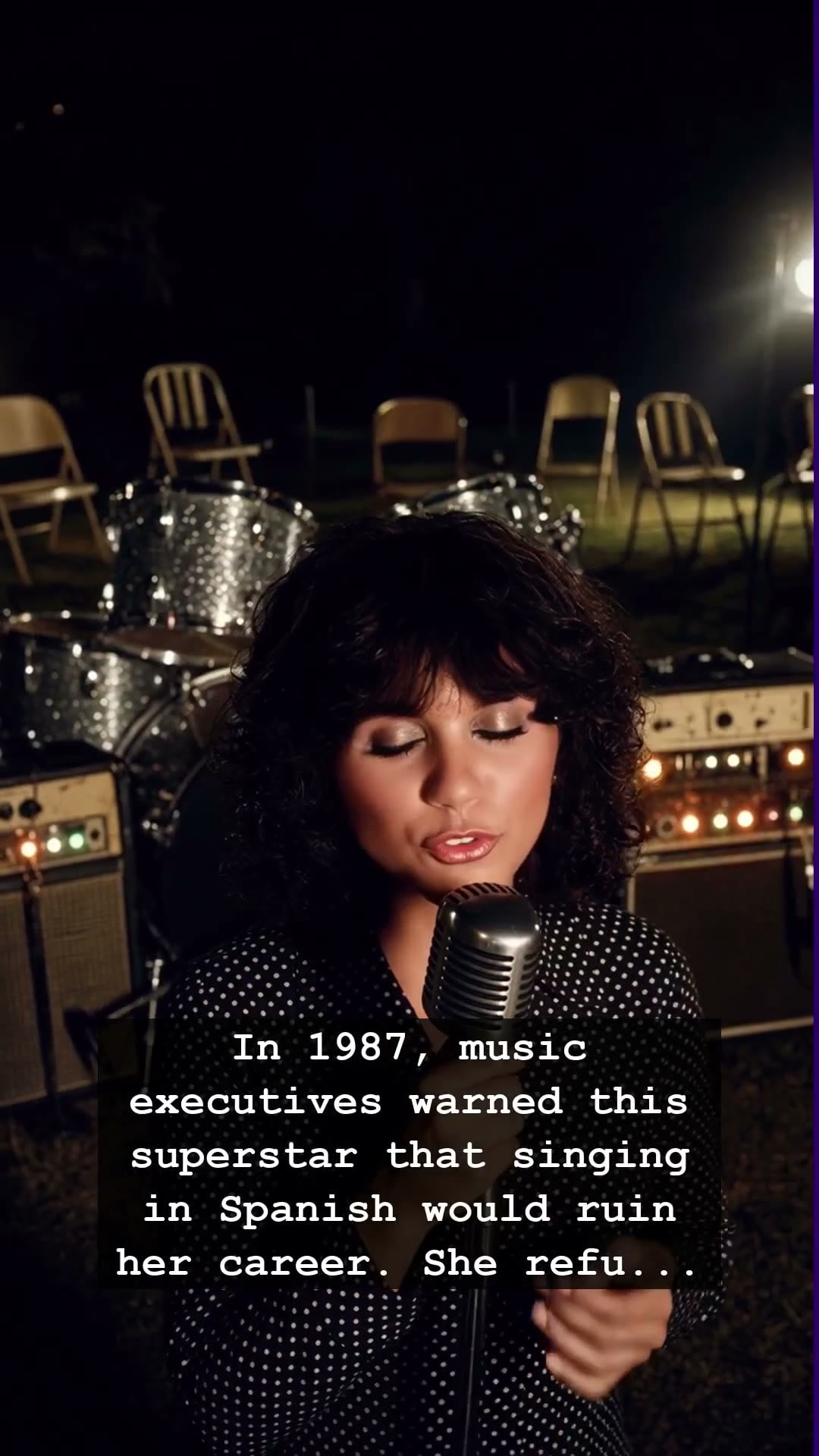
In 1987, the music industry operated with the cold, calculated precision of a ticking clock. At the time, MTV was dictating the aesthetic of a generation, and record executives were the ultimate gatekeepers of fame. When Linda Ronstadt, a woman who had already conquered the charts with her powerhouse vocals and versatility, walked into a boardroom to propose an album sung entirely in Spanish, the atmosphere turned icy. They told her, with absolute certainty, that she was committing career suicide. They believed her audience—the same people who had bought her platinum-selling Arena Rock hits—would never accept her in a different language. They were wrong.
Linda Ronstadt, however, was not an artist who played by the rules of suit-and-tie executives. Driven by a deep, ancestral need to reconnect with her roots, she looked past the threats of commercial failure and the pressure of the music industry status quo. She retreated to the studio, not to hunt for another chart-topping pop anthem, but to honor the traditional Mexican music she had heard echoing in her childhood home. The resulting album, Canciones de Mi Padre, was more than just a collection of songs; it was a defiant middle finger to the industry’s narrow definition of what a superstar should sound like.
When the record hit the shelves, the skeptics were silenced by the sheer magnitude of its success. It became a cultural touchstone, shattering the myth that an American superstar could only exist within the boundaries of English-language pop. For those of us who grew up listening to the hum of a Jukebox or the crackle of a vinyl record in the late eighties, that album represented a profound shift. It proved that authenticity is the only currency that truly matters. Linda Ronstadt wasn’t just singing songs; she was reclaiming her heritage in a bold act of artistic bravery that resonates even more deeply today.
Looking back at that era, it is easy to forget how much power the labels held over creative expression. The fear of being dropped, of losing the momentum of the Billboard charts, was a heavy shroud that stifled many legends. Yet, Linda Ronstadt stood in the center of the storm and chose her own path. She walked away from the safety of the status quo to create a masterpiece that would eventually become the biggest-selling non-English language album in American history. It remains a testament to the fact that when a true artist listens to their internal voice rather than the noise of the industry, the world listens along with them.
Today, we look back at the late eighties as a time of neon lights and synthetic beats, but the story of Linda Ronstadt serves as a reminder of the raw human spirit that fuels the best music. She transformed the landscape for future generations of artists who would no longer be forced to choose between their commercial success and their cultural identity. Her legacy is not just one of incredible vocal range, but one of fearless artistic integrity. As you put on your favorite record tonight, remember the woman who defied the boardrooms and proved that music knows no borders.