
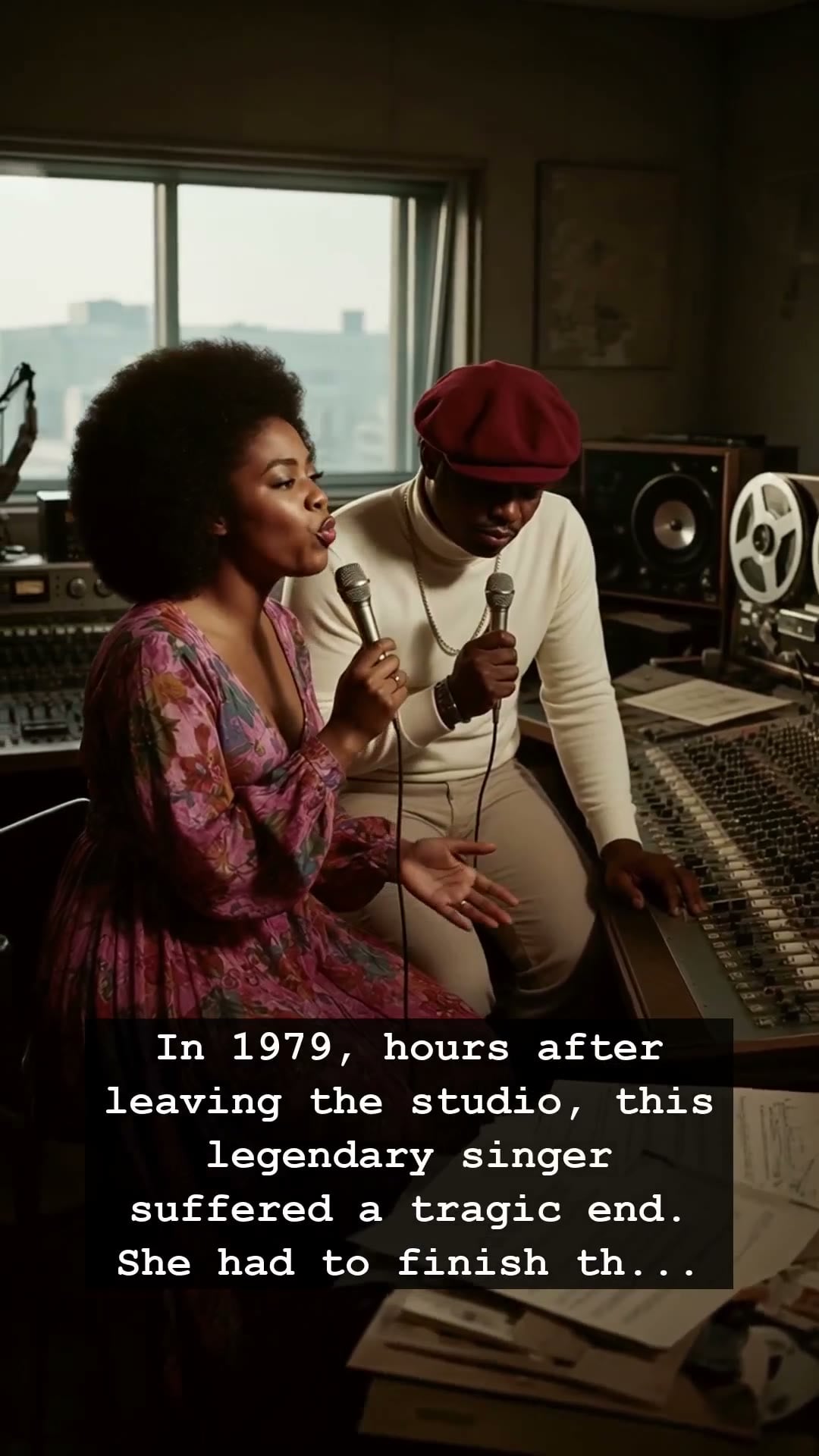
The year was 1979, and the air was thick with the shifting sounds of a new decade, yet the soulful legacy of the seventies still pulsed through every radio in America. Inside the dimly lit walls of a recording studio, Roberta Flack and Donny Hathaway, the iconic duo whose voices were once synonymous with intimacy and raw emotional truth, were finally reunited. They were recording what would become their last collaboration, a session that felt like a bridge between the classic Motown soul we adored and a future that seemed suddenly, cruelly uncertain. Hours after the microphones were switched off, the music world was shattered by an unthinkable tragedy: Donny Hathaway was gone, leaving behind a silence that would haunt the industry for decades.
To understand the gravity of that moment, one must look back at the magic they shared. Roberta Flack and Donny Hathaway were more than just colleagues; they were two halves of a musical soul. Their chemistry was not manufactured by record labels or pushed by the early, glitzy marketing of the MTV era that was soon to arrive. It was a genuine, artistic convergence. When they sang, it felt like sitting in a candlelit club, listening to the secrets of two hearts intertwined. Their early hits had become the soundtrack to a generation, played on jukeboxes across the country as lovers found their rhythm and dreamers found their solace. When they stepped back into the studio that fateful day, the world expected another masterpiece of harmony.
But the reality of fame in the late seventies was often darker than the glossy album covers suggested. The pressures of the limelight, the internal battles with mental health, and the relentless demand of the music industry had taken a heavy toll on Donny. The final session was supposed to be a triumphant return, a healing of creative spirits, yet it became a somber foreshadowing. When news of his passing broke, the unfinished tracks became relics of a profound loss. Roberta Flack was left to face the impossible task of completing their final duet alone. She had to weave her vocals around the ghost of his voice, turning a simple recording session into an eternal, heartbreaking tribute to a man who had given so much of his soul to the world.
Listening to that final work today feels like opening a time capsule. It carries the weight of a generation that mourned its idols amidst the smoke of Studio 54 and the decline of the disco dream. Roberta Flack poured every ounce of her grief into those remaining notes, transforming the song from a mere melody into a vessel of mourning. It remains one of the most poignant moments in American music history, a testament to the fact that while artists may leave the stage, their vulnerability remains etched into the grooves of every record. We still listen to Roberta Flack and Donny Hathaway today not just for the music, but for the hauntingly beautiful reminder that the most powerful songs are often the ones that cost the artist everything. The music did not die that night; it simply learned how to weep.