
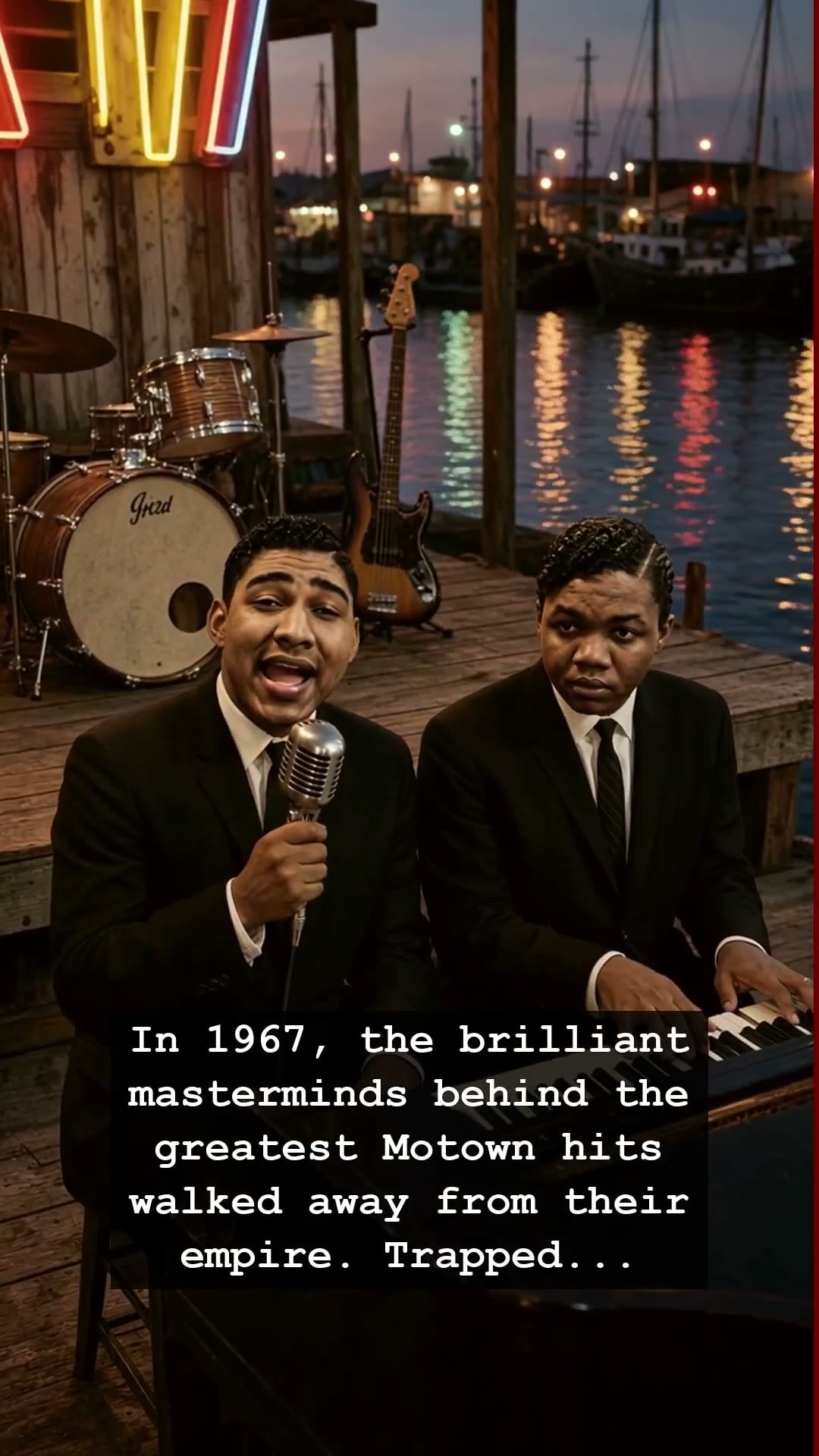
In the golden haze of 1967, the sound of America was being crafted inside a small, unassuming building in Detroit known as Hitsville U.S.A. If you hummed along to the Supremes, the Four Tops, or Martha and the Vandellas during that era, you were listening to the unparalleled genius of Lamont Dozier and brothers Brian and Eddie Holland. Collectively known as Holland Dozier Holland, this trio was not just a songwriting team; they were the architects of the Motown sound that dominated the airwaves and defined the rhythm of a generation. Yet, at the height of their powers, when they could seemingly do no wrong, these three men walked away from the empire they had helped build, choosing the uncertainty of freedom over the gilded cage of a ruthless industry contract.
The tension had been simmering beneath the surface for years. While the world saw the shimmering dresses, the choreographed dance moves, and the polished hits pouring out of the Jukebox, Holland Dozier Holland were increasingly trapped in a labyrinth of legal and financial disputes. They weren’t just artists; they were visionaries who felt the soul being squeezed out of their work by restrictive royalties and corporate control. The Motown machine, headed by the formidable Berry Gordy, demanded absolute loyalty and absolute output, but the creative trio realized that their legacy was being leveraged against their own personal autonomy. In a move that shocked the music industry to its core, they walked out in 1967, leaving behind a void that no one could truly fill.
The fallout from their departure was immediate and seismic. For a brief, haunting moment, the Motown assembly line stuttered. Without the precise, melodic craftsmanship of Holland Dozier Holland, the labels sound lost a distinct layer of its heartbeat. They were the ones who figured out how to blend gospel-infused soul with pop sensibilities, creating anthems like Reach Out I’ll Be There and Baby Love. They had turned songwriting into an exact science, yet they were treated like replaceable cogs in a larger corporate clock. This is the dark side of the fame that defined the sixties—the reality that behind every chart-topping record was a human story of struggle, legal warfare, and the fight to own one’s own creative spirit.
Today, we look back at the Holland Dozier Holland era with a sense of bittersweet nostalgia. They eventually returned to music, but the split marked the end of the most prolific period in American pop history. Their story serves as a reminder that the songs we cherish, the ones that accompany our memories of summer nights and first loves, were forged in fires of immense pressure and personal upheaval. When we listen to their tracks now, we are hearing more than just a melody; we are hearing the sound of men deciding that their dignity was worth more than a number-one hit. The legacy of Holland Dozier Holland remains untouchable, a testament to the fact that while fame is fleeting, true creative freedom is the only thing that truly lasts.