
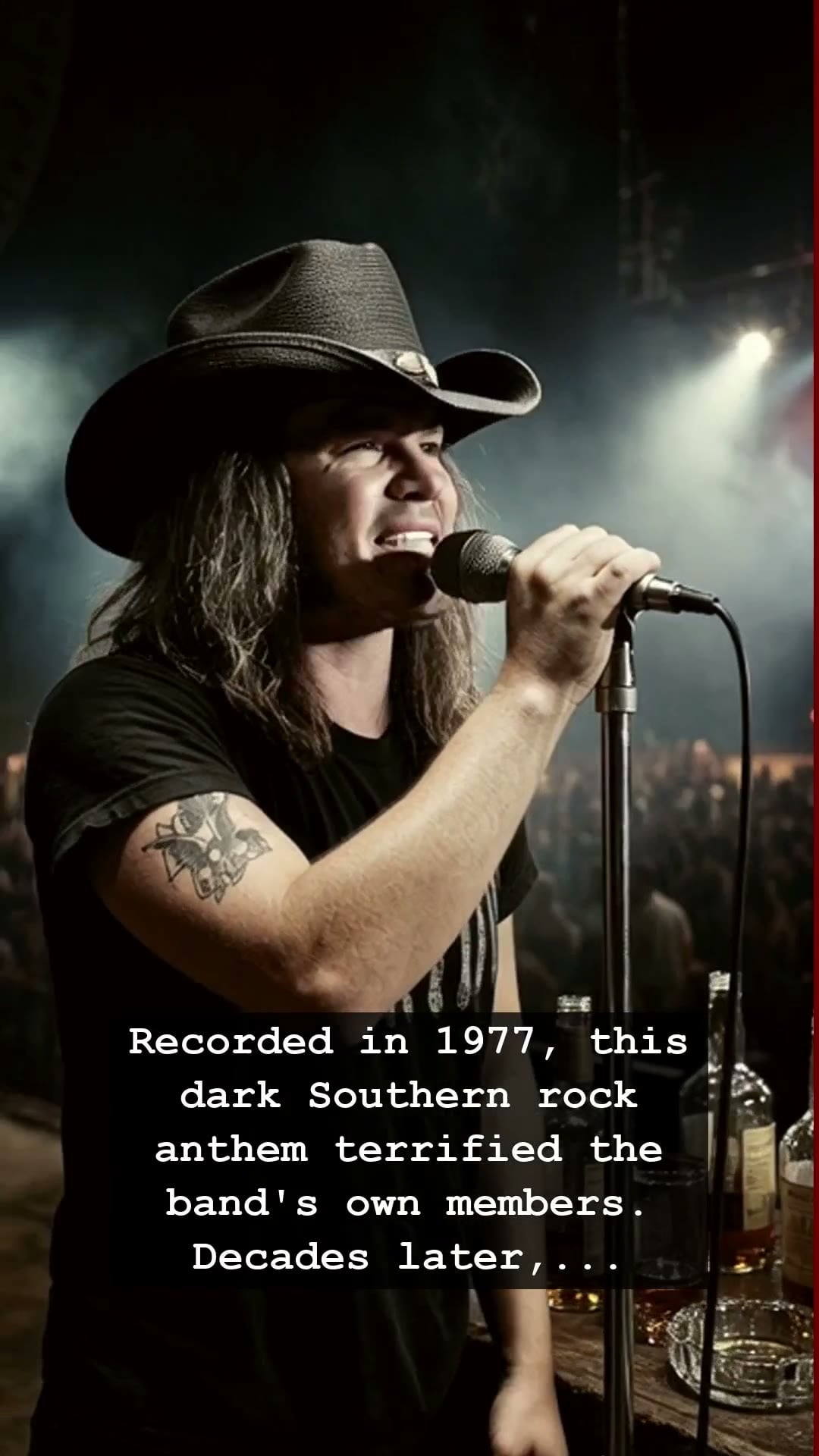
In the sweltering heat of the mid-seventies, Southern Rock was more than just music; it was a defiant roar from the American heartland. Amidst the cigarette smoke of dimly lit bars and the rising influence of FM radio, one band stood above the rest, capturing the raw, unvarnished spirit of the South: Lynyrd Skynyrd. Yet, beneath their hard-driving, triple-guitar attack lay a darker, more prophetic reality that would eventually define their legacy in ways they could never have anticipated. Their catalog remains a testament to the grit of the era, but one particular track stands out as a chilling, cautionary tale that terrified even the men who wrote it.
Recorded in the creative turbulence of 1977, this specific anthem was intended as a brutal, honest warning about the devastating grip of addiction. While the band was known for their rowdy, free-spirited public image, the reality in the studio was far more sobering. The lyrics pulsed with a dark, rhythmic intensity that felt less like a rock song and more like a whispered confession from the edge of a cliff. The members of Lynyrd Skynyrd were acutely aware that they were playing with fire, and the resulting sound was heavy with an atmosphere of impending doom that refused to be ignored.
It was a time when the Jukebox culture was shifting, and the boundaries of rock were being pushed to their absolute limits. Lynyrd Skynyrd found themselves at the epicenter of this cultural transition, caught between their blue-collar roots and the sudden, suffocating pressure of superstardom. The song served as a dark mirror to their own lives, reflecting the internal conflicts and the chemical shadows that often haunted the touring lifestyle of the decade. They were riding high on the charts, yet the music carried a heavy, premonitory weight, as if they knew the fragility of their own existence.
Decades later, the song transcended its original timeframe, finding a haunting new life on the silver screen. Its appearance in modern cinema served as a stark reminder of the power of Southern Rock to command a room, decades after the golden age of vinyl had passed. For a new generation, the groove is infectious, but for those who understand the history, it remains a phantom of a time gone by, echoing the ghosts of a band that left an indelible mark on music history.
The tragedy of Lynyrd Skynyrd is not just in the accidents that silenced their voices, but in the timelessness of their warnings. Their story is a visceral look at the cost of fame and the human frailty hidden behind the stage lights. As we listen to their records today, we are transported back to a pivotal era where every beat mattered. Whether you were there at the height of the movement or you are discovering their brilliance now, the music of Lynyrd Skynyrd continues to hold us captive, demanding we listen to the truth hidden in every chord.