
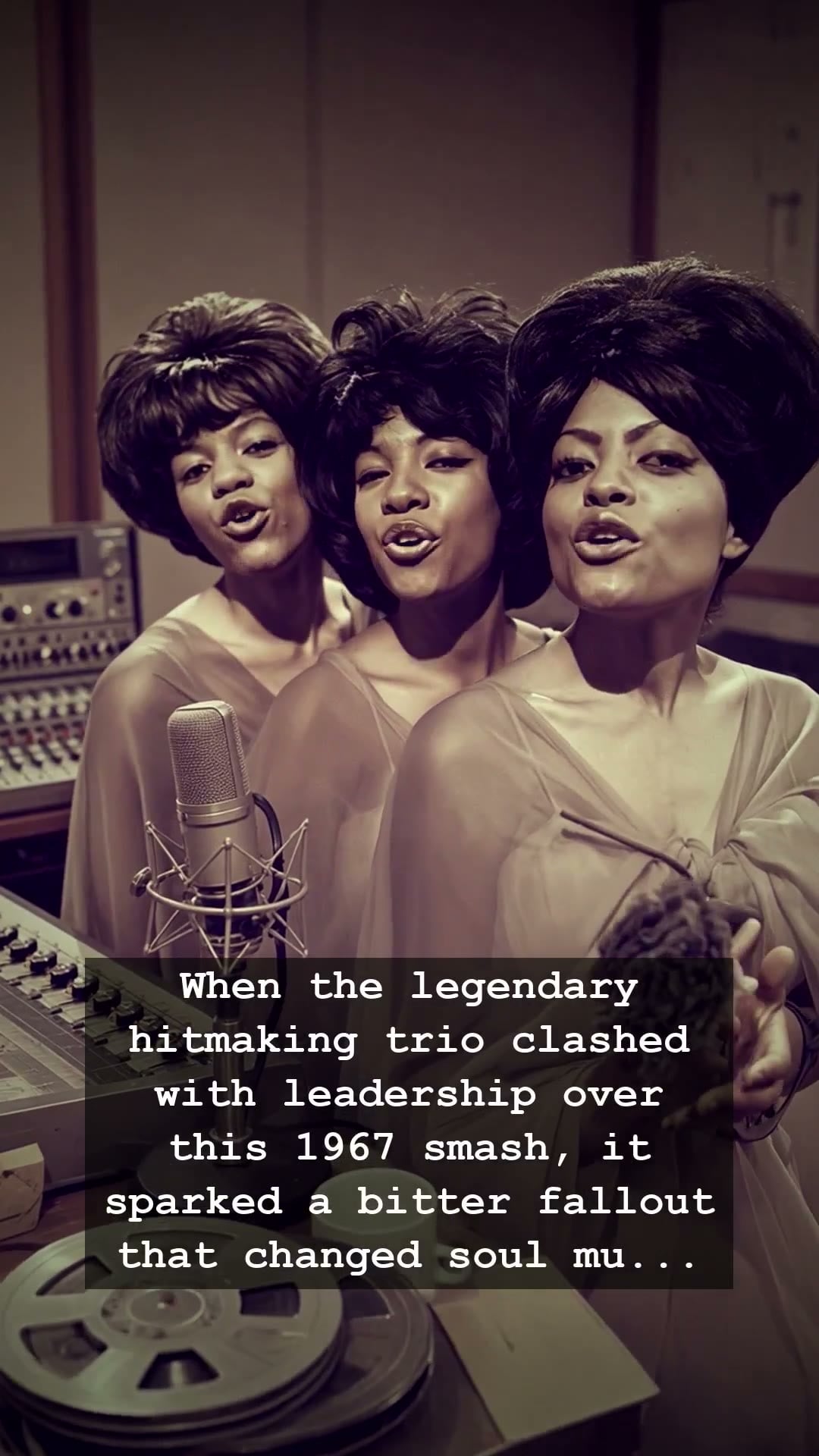
The year was 1967, and the air inside Detroit’s Hitsville U.S.A. studio was thick with a tension that no amount of polish could smooth over. The Supremes, the golden icons of the Motown sound, were no longer just a singing trio; they were the crown jewels of Berry Gordy’s musical empire. Yet, behind the shimmering sequins and the perfectly synchronized choreography that defined their era, the foundation was beginning to crack. A fierce, silent war was brewing between the group’s ambitions and the iron-fisted control of their label, leading to a fateful moment that would alter the trajectory of soul music forever.
At the center of this firestorm was a disagreement over creative identity and personal power. The Supremes were expected to be untouchable, global ambassadors of an polished, crossover sound that conquered the Billboard charts with ease. But by 1967, the cultural landscape of America was shifting. As the Psychedelic Rock movement took root and the raw energy of the streets began to influence the mainstream, the trio felt the suffocating pressure of being trapped in a rigid box. When a specific track—a potential hit that polarized the group—was brought to the table, the dissent became impossible to ignore. The tension was not merely about notes on a page; it was a battle for autonomy in an industry that preferred their artists to be seen and not heard.
To understand the magnitude of this fallout, one must remember the weight of the times. This was the era of the Jukebox and the rise of television dominance. The Supremes were the constant, reliable stars who brought a sense of grace to a turbulent decade. However, the private reality was far more jagged. The leadership at Motown demanded absolute compliance, treating the group as a product to be managed rather than artists to be nurtured. When the breaking point arrived, it wasn’t just a simple disagreement over a song; it was the manifestation of years of exhaustion and a realization that the dream they were chasing was beginning to look more like a cage.
As arguments echoed through the hallways of the studio, the fragile unity of the group began to fray. The fallout was swift and devastatingly quiet to the outside world, yet it sent shockwaves through the industry. It served as a stark reminder of the dark side of fame—how the very machinery that elevates a star can also be the tool of their undoing. The subsequent changes in the group’s lineup and the shifting power dynamics of the Motown label reflected a broader cultural shift where artists began to demand more than just royalty checks; they demanded their humanity.
Decades later, the legacy of The Supremes remains untarnished by these internal shadows. We still listen to their records and hear the perfection they fought so hard to maintain. Their struggle serves as a timeless cautionary tale about the high price of success. As we look back through the lens of history, we see that their true strength wasn’t just in their harmonies, but in their courage to face the machine that made them. The next time you drop the needle on a vintage record, remember the women behind the voice and the battles they fought in the dark to stay true to their souls.