
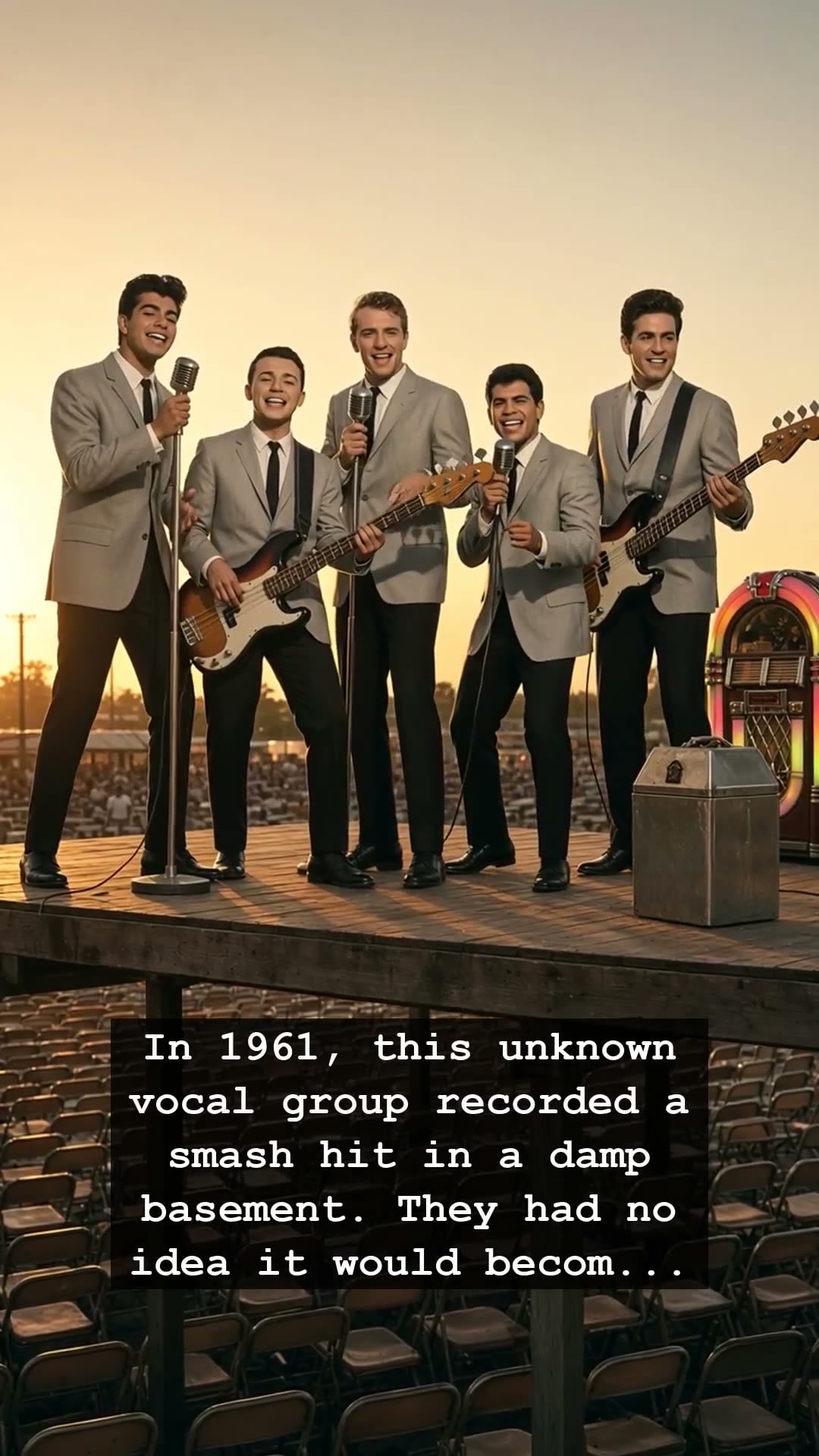
Imagine the scene in a cramped, damp basement in New York City back in 1961. The air is thick with the scent of mildew and the nervous energy of five young men gathered around a single microphone. They were not stadium icons or polished industry darlings; they were simply The Regents, a vocal group fueled by street-corner harmonies and a dream of making it big. While the rest of the world was transitioning toward the rapid changes of the decade, these men were obsessively perfecting a track that would soon become a timeless American anthem, proving that sometimes, the greatest art is born in the most unlikely, hidden places.
The song in question was a bouncy, infectious piece of doo-wop magic that felt like a burst of sunlight against the gloom of their makeshift studio. The Regents had stumbled upon a sound that felt both ancient and refreshingly new. It was a track written years prior, gathering dust until they breathed new life into its rhythmic core. As they recorded, they had no idea that they were accidentally capturing lightning in a bottle. The track was meant to be a simple local hit, but the universe had other plans, and the song was destined to transcend its humble origins to become a permanent fixture in the soundtrack of mid-century American culture.
To understand the magic of The Regents, one must look at the landscape of the early 1960s. The jukebox culture was in its prime, and people were hungry for music that offered an escape from the growing tensions of a changing society. The upbeat, intricate vocal arrangements typical of the era allowed bands like The Regents to command attention on the radio. Yet, there was always a dark side to this musical fame. Many groups from this period saw their dreams flicker out as quickly as they began, often trapped by predatory contracts or the sheer exhaustion of life on the road. The Regents occupied that bittersweet space between total obscurity and lasting musical immortality.
What makes the story of The Regents so resonant even today is the raw, unpolished authenticity of their journey. In an age where music is often overproduced, there is something deeply grounding about the image of a group huddled in a basement, relying solely on their vocal talent and timing. It captures the essence of the doo-wop era, where the harmony between friends was more important than the digital perfection of a modern studio. When you listen to the track today, you can almost hear the dampness of the walls and the frantic ambition of five young men who knew, deep down, that they had created something special.
Decades later, the legacy of The Regents serves as a poignant reminder of the power of a melody. It takes us back to a time of diners, car hops, and the crackle of vinyl on a turntable. Whether you grew up in the golden age of doo-wop or you are just discovering the charm of 1961, the story of The Regents remains a testament to the fact that talent can rise from the most unexpected corners of the city. Next time you hear those familiar opening notes, take a moment to appreciate the unlikely journey that brought that classic sound from a dark, humid cellar into the hearts of generations.