
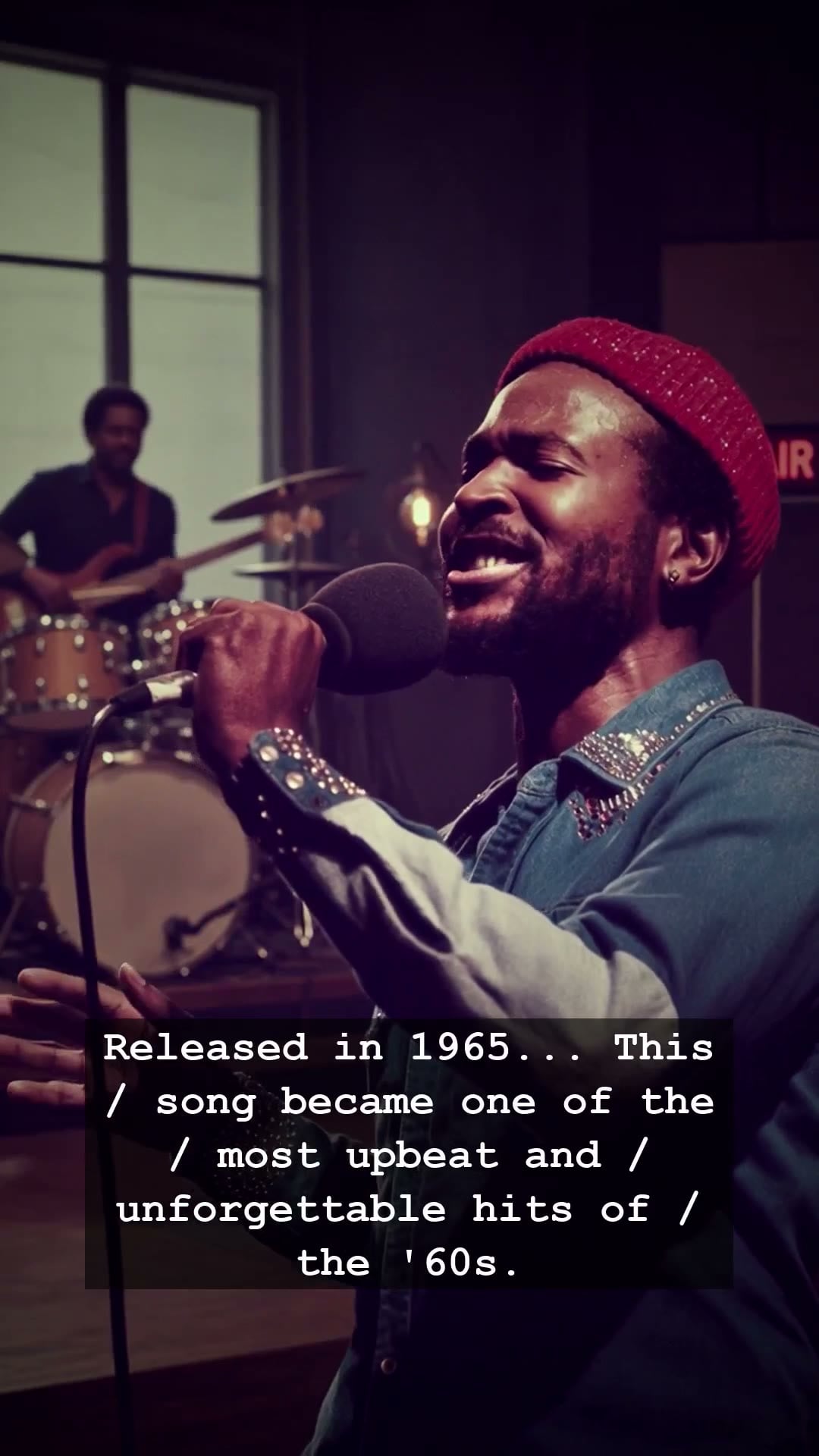
It was 1965, the year the world seemed to shift on its axis, and from the golden corridors of Motown emerged a track that would define the decade: Ain’t No Mountain High Enough. When Marvin Gaye and Tammi Terrell stepped into the recording booth, the air was thick with the promise of a revolution. On the surface, the song was a radiant, upbeat anthem of unbreakable love, perfectly choreographed and masterfully produced. Yet, beneath the shimmering veneer of tambourines and Motown polish, the true story of this legendary duet is laced with a bittersweet melancholy that most listeners never realized until it was far too late.
While the song radiated pure joy, the chemistry between Marvin Gaye and Tammi Terrell was more than just professional perfection; it was a sanctuary. For Marvin, already battling his own inner demons and the crushing weight of fame, Tammi became a sister, a confidante, and a muse. They were the king and queen of the jukebox, the voices that played from every Walkman-to-be and transistor radio across America. But the music industry in the mid-sixties was a brutal machine that demanded everything from its stars. The pressure to replicate the success of their debut hit led to grueling tours and non-stop studio sessions that pushed both artists to their absolute physical and emotional limits.
The tragedy began to unfurl on stage, a place that should have been their crowning glory. During a live performance, the unthinkable happened when Tammi Terrell collapsed into Marvin Gaye’s arms. The audience, blinded by the electric atmosphere and the sheer brilliance of the show, assumed it was part of the act—a dramatic flare for a high-energy routine. It was a harrowing moment of vulnerability hidden in plain sight, a terrifying intersection of performance art and personal crisis. This incident was the first dark crack in the porcelain facade of their meteoric rise, marking the beginning of a decline that would eventually silence one of soul music’s greatest voices.
Looking back from the vantage point of today, the legacy of their partnership feels heavy with unspoken ghosts. We listen to the upbeat tempo of their hits and find ourselves haunted by what we now know. The desperation in their lyrics, once interpreted as a playful pursuit of love, now sounds like a desperate plea for connection in a world that was rapidly consuming its idols. It is the quintessential Motown tragedy: the highest of highs captured in wax, contrasted against the devastating reality of illness and the cold indifference of a label focused on the next chart-topping single.
Decades later, the song remains an untouchable artifact of the era, standing as a testament to a time when music felt like it could literally move mountains. It captures the youthful optimism of 1965, yet carries the weight of a story that ended far too soon. As you listen to the record today, try to hear past the masterfully produced layers and listen for the humanity held within those notes. It is a reminder that even the most unforgettable hits were born from real people, real pain, and a real need to be remembered long after the lights went down.