
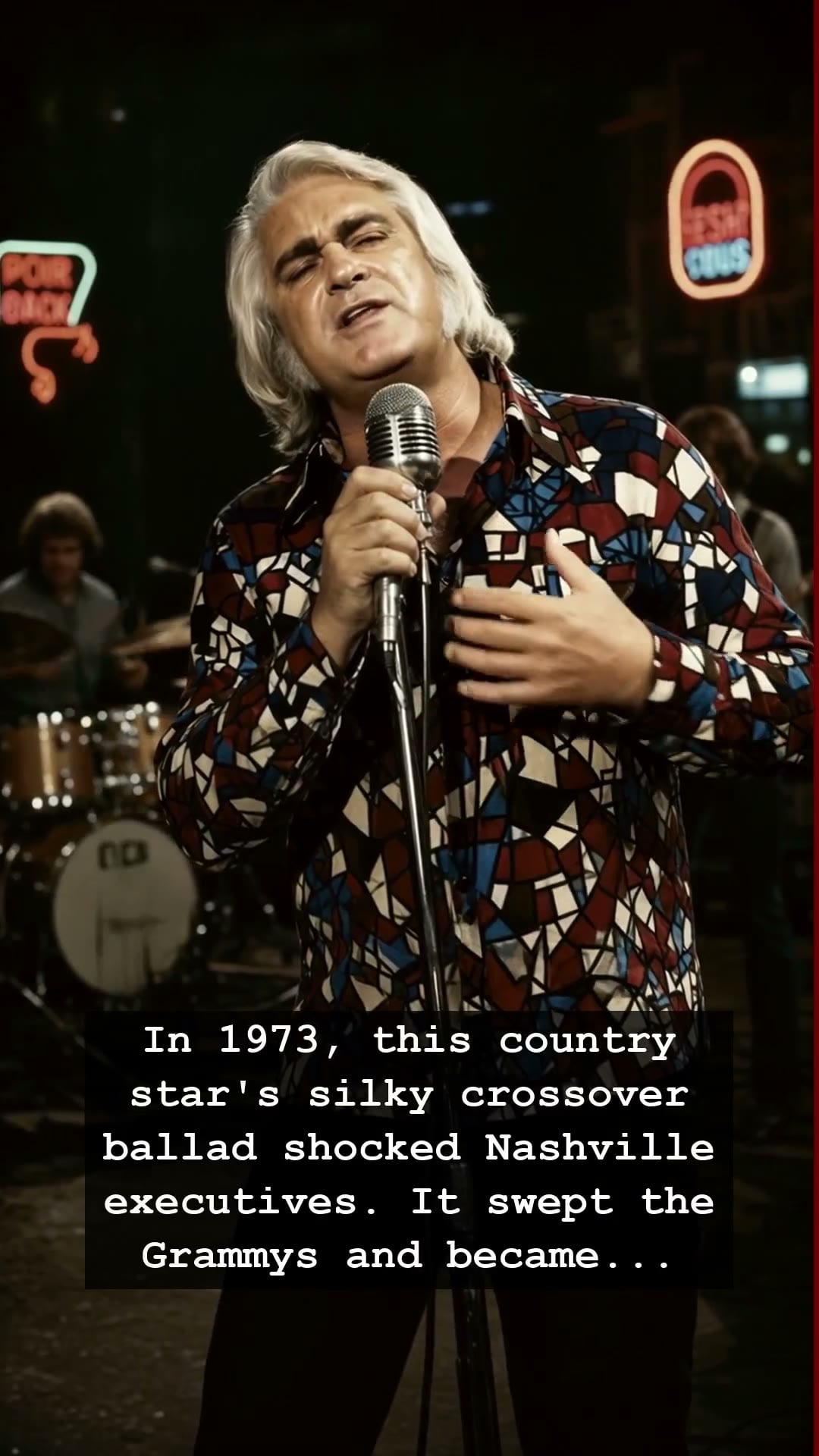
In the smoke-filled boardrooms of 1973 Nashville, the suits were nervous. They wanted the rugged, traditional country sound that had defined the Grand Ole Opry for decades, not a silky, piano-driven ballad that smelled more like the velvet booths of a dimly lit lounge than a dusty barn dance. But Charlie Rich, a man whose voice carried the gravel of the Mississippi Delta and the polish of a jazz crooner, was about to shatter their expectations. When he released Behind Closed Doors, it did more than just climb the charts; it acted as a cultural bridge, proving that country music could hold a mirror to the intimacy of the human soul without losing its grit.
Charlie Rich was never just another cowboy in a hat. A master of the piano with deep roots in blues and rockabilly, he had spent years lurking in the shadows of Sun Records, often overshadowed by the thunderous charisma of Elvis Presley or Jerry Lee Lewis. By the early seventies, the industry had mostly written him off as a journeyman. Yet, there was something undeniable about the way he inhabited a lyric. When he stepped into the studio to record that fateful ballad, he wasn’t looking for a crossover hit; he was looking for a way to express a quiet, private devotion that felt deeply authentic. That vulnerability was his secret weapon, a stark contrast to the arena rock excess that would soon dominate the era.
When the song broke through, it didn’t just top the country charts; it captivated the pop world, signaling a shift in how audiences consumed music during the dawn of the seventies. As the 8-track tapes hummed in dashboard decks and the radio waves carried his smooth, resonant baritone into living rooms across America, Nashville executives were forced to concede that they had underestimated him. The track eventually swept the Grammy Awards, securing its place as an anthem for the heartbroken and the hopelessly romantic alike. It captured a specific, fleeting moment of mid-century domesticity that felt both timeless and urgent.
Beyond the glitz of the awards podium lay the darker reality of life on the road and the crushing weight of sudden superstardom. For Charlie Rich, the success of Behind Closed Doors was a double-edged sword, bringing the kind of visibility he had spent decades chasing while simultaneously magnifying his inner struggles. The pressure to repeat the formula while maintaining his creative integrity became a silent battle, a common tragedy for many legends who hit the peak of the mountain only to find the air thin and cold. His journey remains a haunting reminder of the cost of fame in an era defined by vinyl records, jukeboxes, and the loneliness of the tour bus.
Today, listening to that iconic piano opening still feels like stepping into a time machine. The song remains a masterclass in emotional restraint, a relic of a time when a singer’s voice could hold a listener captive without the need for digital trickery or stadium pyrotechnics. Charlie Rich taught us that the most powerful stories are often those whispered in the dark, behind closed doors. Even decades later, his soulful legacy persists, echoing through the halls of music history for anyone willing to stop and truly listen.