
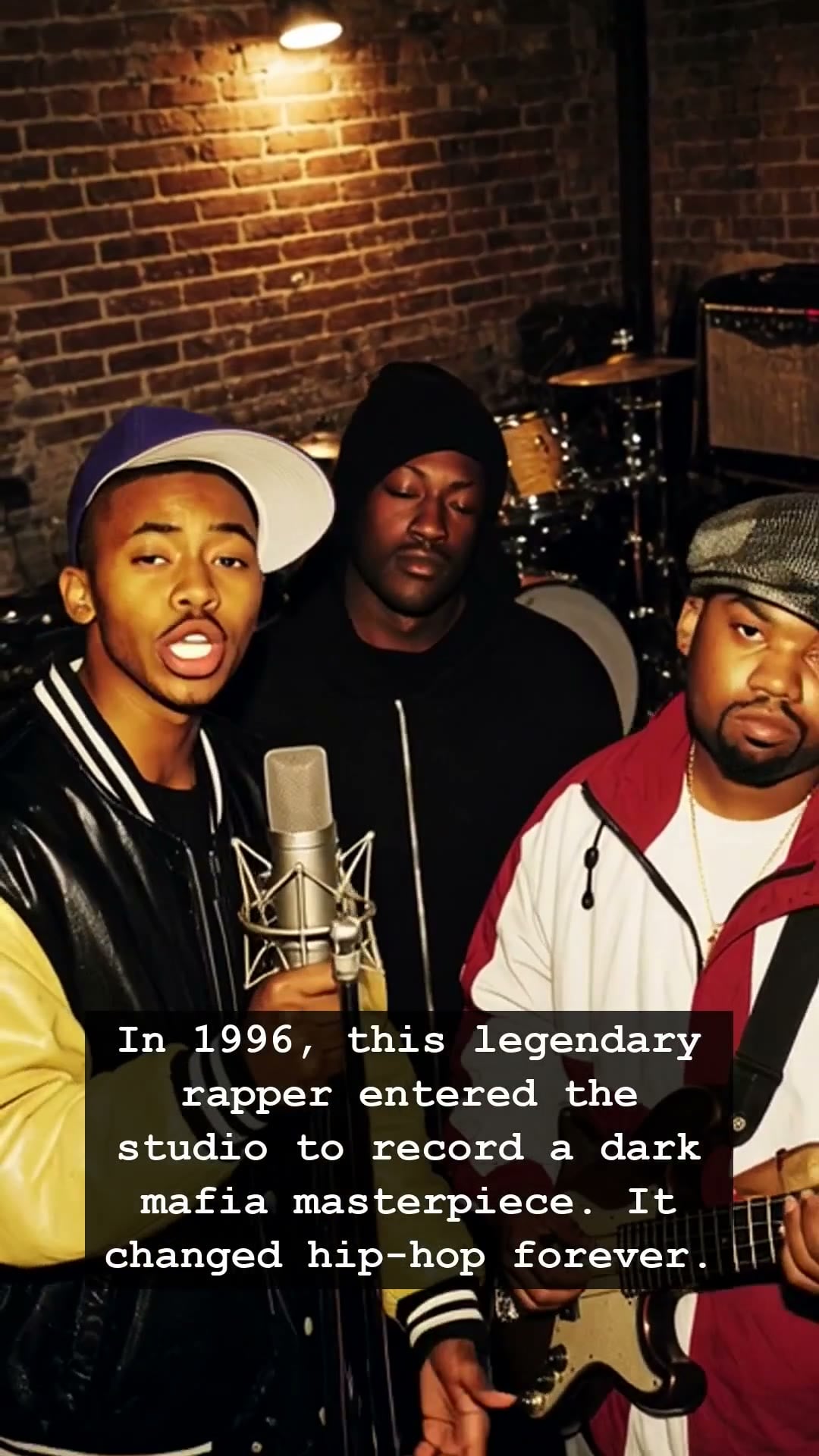
The year was 1996, a time when the glow of the neon MTV logo dominated living rooms and the crackle of a fresh cassette tape held the promise of a revolution. In the haze of a New York studio, a young lyrical genius named Nas stepped toward the microphone. He wasn’t just recording an album; he was crafting a cinematic, mafia-inspired odyssey that would forever alter the trajectory of East Coast hip-hop. While record executives expected radio-friendly hooks, Nas delivered a visceral, gritty narrative that felt more like a Scorsese film than a standard rap record. This was the moment the genre grew up, shedding its skin to embrace a complex, noir-infused storytelling style that still echoes in the streets of Queens today.
The atmosphere of the mid-nineties was thick with tension, defined by the escalating friction between coastal rivals. In this volatile environment, Nas emerged as the poet laureate of the urban landscape. His approach was calculated and haunting; he painted portraits of ambition, betrayal, and the harsh realities of the American dream gone wrong. By weaving tales of underworld hierarchies into his verses, Nas elevated the art of rap to a form of high-stakes literature. He brought an undeniable sophistication to the studio, proving that a rapper could be as much a screenwriter as a songwriter. This shift caught the industry off guard, turning skeptical producers into witnesses to a monumental creative breakthrough.
Deep within the layers of his production, one could hear the influence of jazz-infused samples and the steady, melancholic pulse of the city. For those of us who remember the era of the Sony Walkman and the ritual of scouring music stores for the latest releases, his work was a revelation. Nas managed to capture the duality of the era—the glamour of the newfound mainstream success and the shadows that followed the pioneers of the sound. Every bar felt like a scene from a gripping crime thriller, stripped of glorification and presented with raw, chilling honesty. It was music that demanded your full attention, forcing the listener to parse every word for hidden meanings.
Decades later, the impact of those 1996 studio sessions remains untarnished. Nas did not just capture a moment in time; he laid the blueprint for what the conscious hip-hop movement would become. His ability to fuse the grit of the East Coast with a philosophical depth redefined the expectations for any artist stepping into the booth thereafter. The project remains a touchstone for those who appreciate music that refuses to apologize for its complexity or its dark edges. It stands as a testament to a visionary who saw the path forward when everyone else was looking at the charts.
As the golden age of hip-hop continues to be celebrated by both Gen X and younger generations, the name Nas remains at the center of the conversation. He proved that even in the most commercialized landscape, a singular artist can command the direction of a culture through sheer talent and unapologetic authenticity. Looking back, we realize that the dark, cinematic masterpieces he birthed were not merely songs; they were the essential chapters of a musical history that we are still learning to fully appreciate. Do you still remember the first time those opening bars hit your speakers, signaling the start of a new, darker, and more poetic era?