
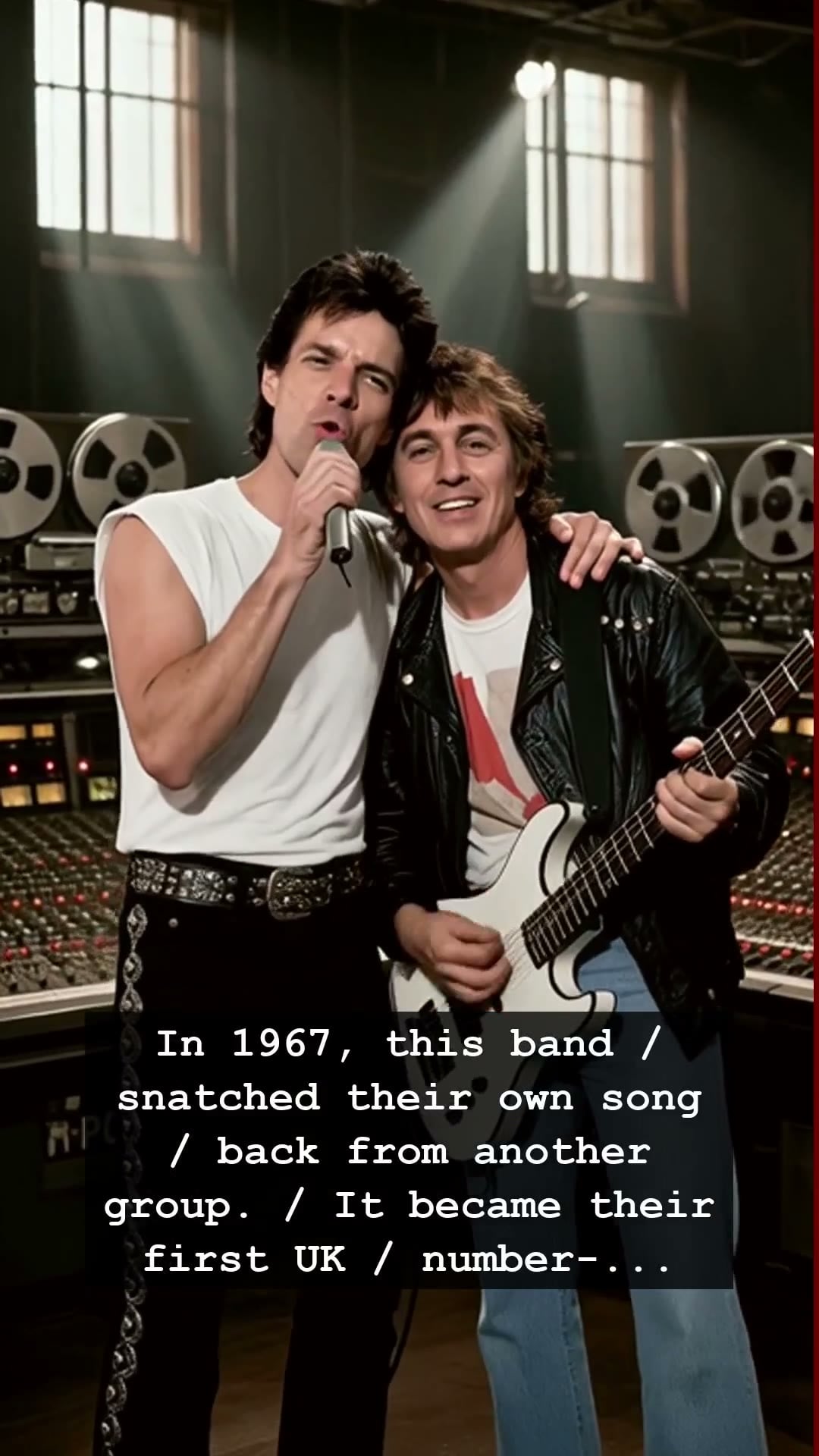
The year was 1967, a time when the Jukebox in every corner pub was spinning with the soulful, melodic revolution of the British Invasion. Amidst the swirling psychedelic lights and the thick haze of changing times, the Bee Gees were still searching for their footing. They were talented, hungry, and deeply embedded in a music industry that often treated songwriters as expendable commodities. It was during this fragile moment that a decision was made—a cold, calculated, and ultimately ruthless choice that would forever alter the trajectory of their careers and crown them as global legends.
The song in question was a heartbreaking, melancholic ballad titled Massachusetts. It was never intended to be the Bee Gees signature; it was written as a gift, almost a peace offering, to be recorded by another group. But as the recording session loomed, the brothers Gibb felt a sudden, visceral surge of instinct. The song was too good to let go. In a moment of industry brinkmanship, they snatched the track back from their peers. It was a move that burned bridges and invited controversy, yet it became the very spark that ignited their rise to the top of the UK charts.
Looking back at the 1960s, the Bee Gees were far more than just the disco icons of the later Studio 54 era. They were masters of vocal harmony, deeply influenced by the soul and pop sensibilities of the day. To watch them in 1967 is to witness the raw ambition of three brothers trying to survive the competitive pressure cooker of London’s music scene. They were surrounded by the legends of the decade, constantly fighting for studio time and radio airplay, living under the weight of expectations that could break a lesser band. That moment of reclamation for Massachusetts proved that they possessed the shark-like intuition required to survive in the shark tank of rock and roll.
This story serves as a poignant reminder that behind every chart-topping melody lies a history of grit, conflict, and often, a touch of betrayal. It was not just about the notes on the page; it was about the power struggle for survival in an era where one bad decision could mean fading into obscurity. The Bee Gees were not mere passive observers of their success; they were the architects of a sound that defined a generation. Their transition from struggling songwriters to global superstars was paved with these high-stakes gambles.
Decades later, the legacy of the Bee Gees remains woven into the cultural tapestry of the twentieth century. When we listen to those pristine, aching harmonies today, we are hearing more than just a pop song; we are hearing the echo of an era where talent was a currency, but ruthlessness was the insurance policy. As you listen to the haunting chords of their breakthrough hit, remember the desperate, exhilarating drama that occurred behind the curtains to make it a reality. Some songs are born from love, but this one was born from a battle for the spotlight, proving that sometimes, you have to fight for your own masterpiece to be heard.