
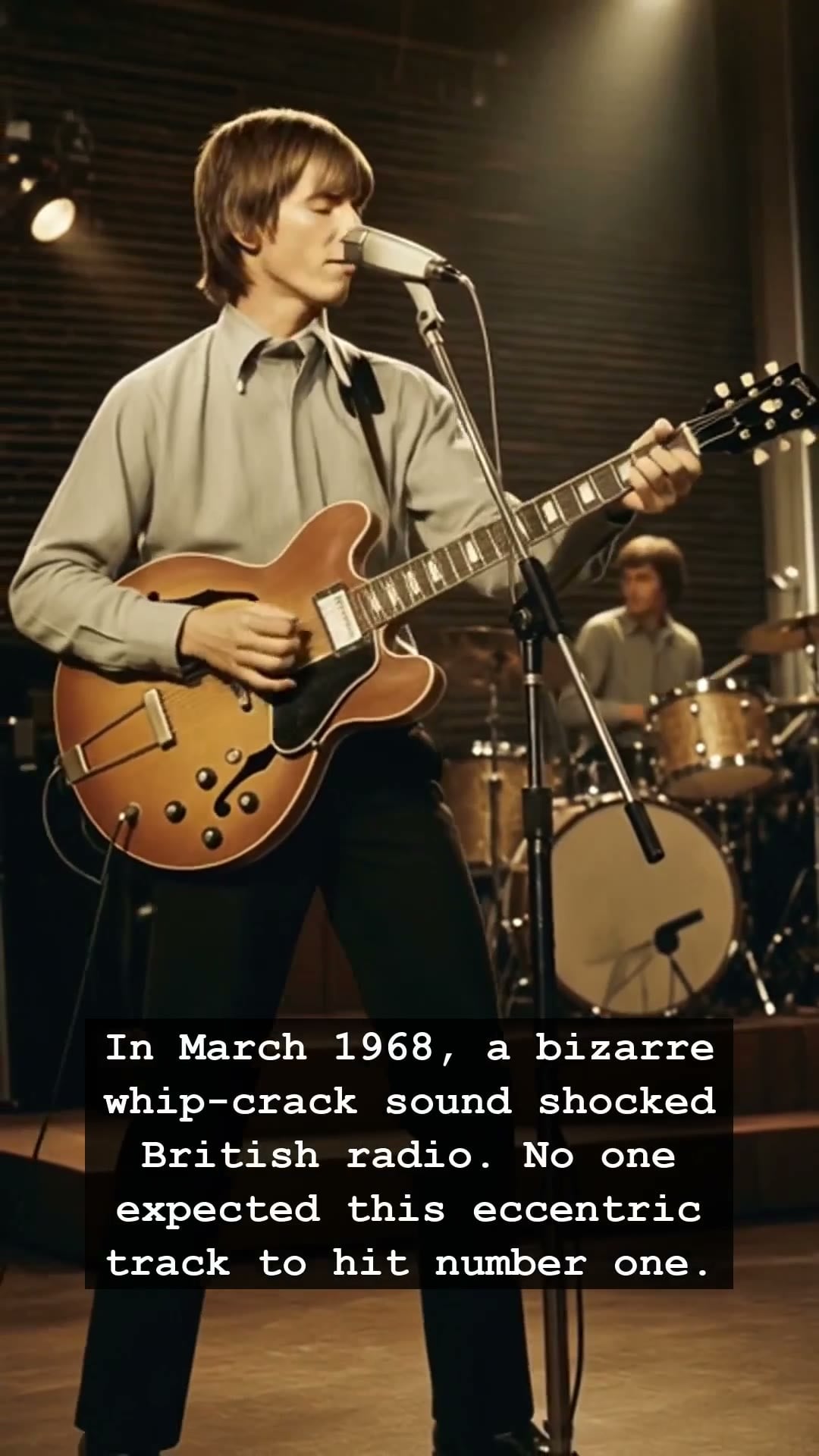
In March 1968, the British airwaves were a battlefield of psychedelic experimentation and pop refinement. Amidst this sonic landscape, a sudden, sharp, and almost violent whip-crack sound pierced through radio speakers, stopping listeners in their tracks. It was not a protest song or a revolution, but a bizarre, infectious track by a group with the longest and most eccentric name in music history: Dave Dee Dozy Beaky Mick and Titch. The song, Legend of Xanadu, defied all industry logic to smash straight to number one, cementing the group as one of the era’s most fascinating anomalies.
To understand the magic of Dave Dee Dozy Beaky Mick and Titch, one must look back at the vibrant, chaotic pop scene of the mid-sixties. While bands like The Beatles and The Rolling Stones were redefining the cultural zeitgeist, this quintet from Salisbury brought a theatrical, almost vaudevillian energy to the charts. The name itself—comprised of the individual nicknames of its five members—was a tongue-twister that masked a serious musical competence. They were the ultimate jukebox heroes, capable of crafting melodies that were as catchy as they were strange, perfectly capturing the restless spirit of a generation transitioning from the polished suits of the early sixties to the flamboyant costumes of the psychedelic era.
Legend of Xanadu was their crowning achievement, a track that felt more like a mini-movie than a standard three-minute pop hit. The infamous whip-crack sound effect wasn’t just a gimmick; it was a rhythmic hook that transformed the track into something dangerous and exotic. In an age before music videos became the primary vehicle for promotion, the sound alone was enough to evoke images of desert sands and lost empires. Dave Dee Dozy Beaky Mick and Titch weren’t just playing instruments; they were orchestrating a theatrical experience that felt perfectly suited for the late 1960s, a time when audiences craved escapism from the increasingly turbulent political climate.
Behind the success, however, was the relentless grind of the touring circuit and the pressure to replicate their hit-making prowess. The band operated in the shadows of the era’s titans, yet they enjoyed a string of chart-topping successes that rivaled the best. Their story is a testament to the fleeting nature of fame during the height of the pirate radio era. They represented the quirky, colorful, and often overlooked side of British music that thrived in the gaps between the monumental cultural shifts. For those who remember the sound of a crackling transistor radio, the name of this band acts as a key, unlocking memories of a time when pop music was allowed to be delightfully weird.
Decades later, the legacy of Dave Dee Dozy Beaky Mick and Titch endures not just through the nostalgia of the charts, but through the enduring power of their unique brand of showmanship. They remind us that the history of rock and pop is not merely a collection of anthems by legendary icons, but a tapestry woven with oddities, bold experiments, and unforgettable hooks. Whenever that whip-crack echoes through a classic rock station today, it serves as a crisp reminder of a time when a band with a name as long as their talent could dominate the world, one crack at a time. It remains a beautiful, strange chapter in our shared musical past.