
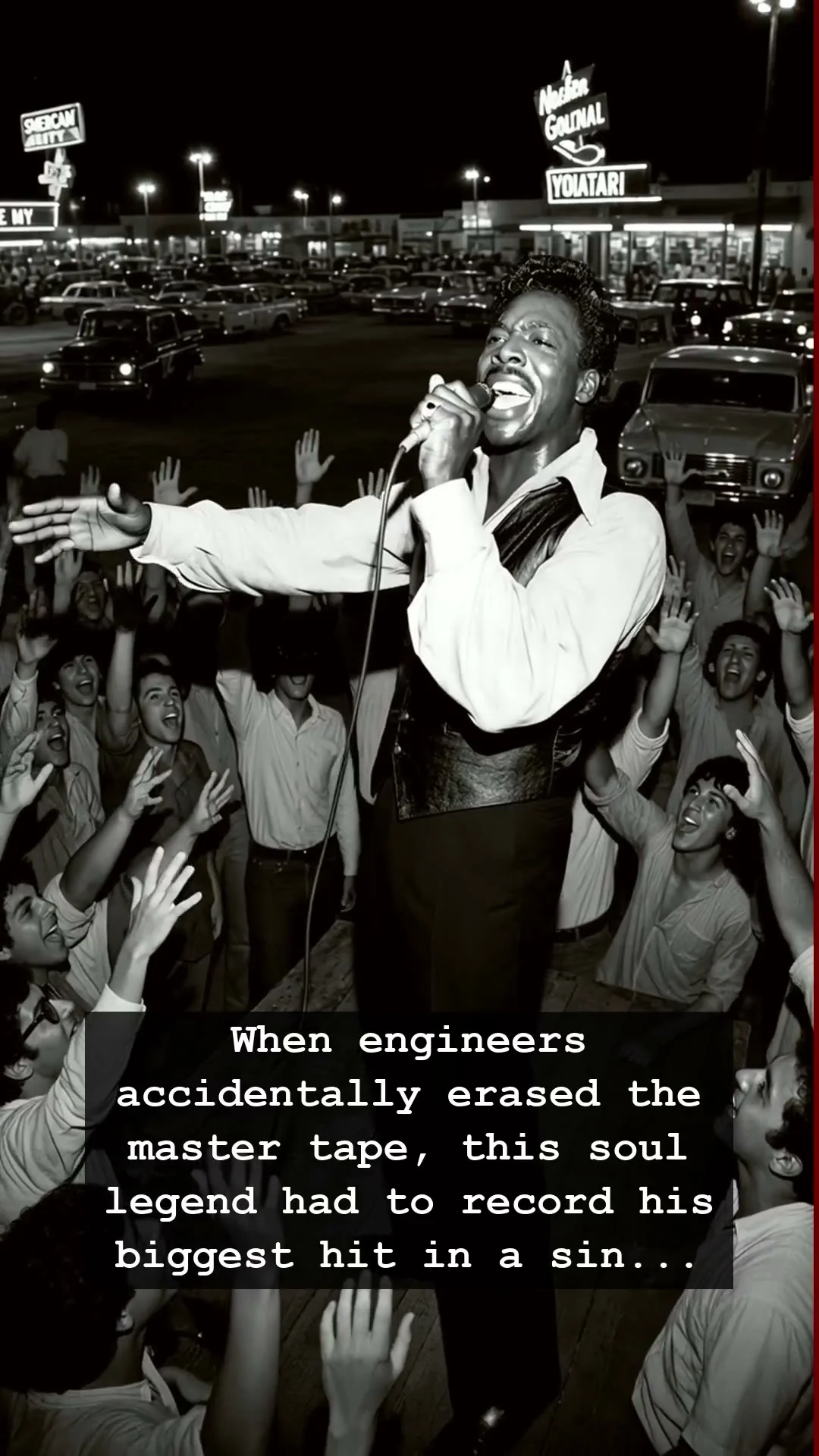
It was 1966, the golden age of Stax and Atlantic Records, a time when the crackle of a vinyl record on a home jukebox felt like a religious experience. Inside the legendary Fame Studios in Muscle Shoals, Alabama, the atmosphere was thick with humidity and the smell of tube amplifiers heating up. Wilson Pickett, the raw, roaring titan of soul, was in the booth to lay down what would become one of the most iconic songs in music history: Land of 1,000 Dances. The groove was tight, the rhythm section was locked in, and the world was ready for a new sound. But then, the unthinkable happened. In a moment of sheer technical catastrophe, the original master tapes were accidentally erased. The hard work, the hours of sweat, and the magic captured in the room simply vanished into thin air.
Most artists would have crumbled under the weight of such a disaster. But Wilson Pickett was no ordinary performer; he was a force of nature fueled by the kind of southern fire that turned gospel roots into secular soul. When he realized the tracks were gone, he didn’t call for a break or a lunch outing to calm his nerves. Instead, he channeled that raw, unfiltered frustration into something explosive. He stepped back up to the microphone, his eyes burning with a mixture of righteous fury and creative necessity. He demanded the band hit the beat hard, and with a single, frantic take, he delivered a vocal performance that was even more electric than the original. It was pure, unadulterated passion caught on magnetic tape.
This wasn’t just a song; it was a testament to the high-stakes world of the mid-sixties recording industry. Without the luxury of modern digital editing or infinite punch-ins, Wilson Pickett had to rely on his grit and his instinct. The resulting track, with its famous ‘na-na-na-na’ hook, became a cultural touchstone that defined the era of sweaty dance floors and transistor radios. It captures a moment where the fragility of analog technology met the immortality of human emotion. Today, when we listen to that track, we are not just hearing a hit record; we are listening to the exact sound of a man refusing to be defeated by a studio mishap.
Looking back at that era, it is easy to romanticize the sound of Motown and the grit of southern soul, but the truth was often grueling and fraught with tension. Wilson Pickett lived that life on the edge. His voice had a gritty texture that sounded like it had been carved out of gravel and honey, a sound that demanded your attention whether you were sitting in a smoky lounge or dancing under the glittery lights of a suburban basement party. He turned a moment of potential professional ruin into a masterpiece that would outlive the very machines that failed him.
Even decades later, the story of this recording session reminds us that the best art often comes from the most difficult circumstances. It is a story about the resilience of legends and the power of a single moment in time. When you drop the needle on that record today, remember the fury in that booth in Muscle Shoals. Wilson Pickett didn’t just record a song that day; he forged a legacy out of air and anger, ensuring that the rhythm would never truly fade away. Turn up the volume, let the bass rattle the floorboards, and feel the history of a soul icon who simply refused to quit.