
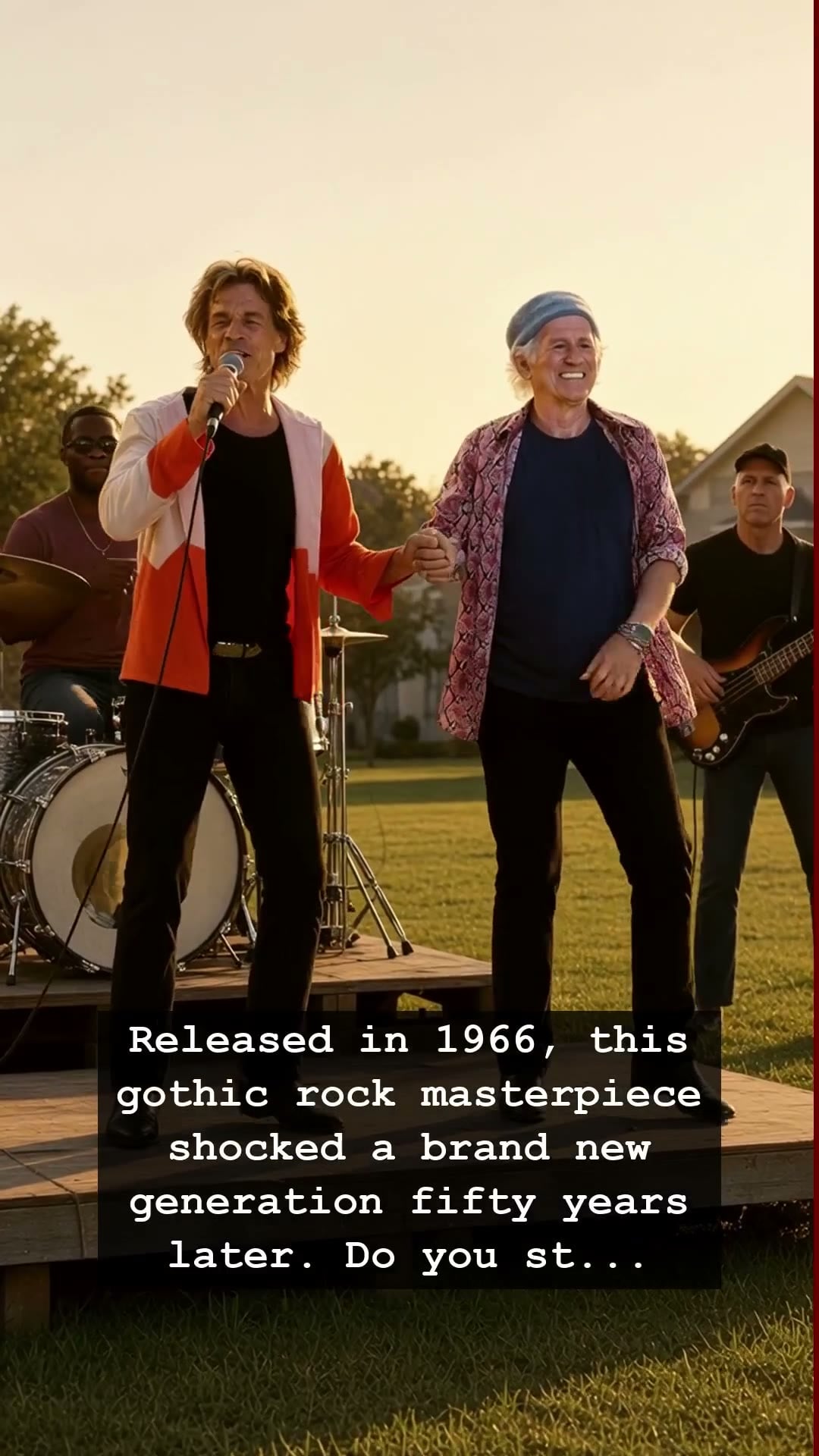
It started as a simple, rhythmic melody, but it transformed into a dark, gothic obsession that would forever alter the course of rock music. When The Rolling Stones released Paint It, Black in 1966, the world was still dancing to the upbeat jingles of the British Invasion. Suddenly, Brian Jones plucked a sitar, and Mick Jagger growled lines of profound, existential despair. It was not just a hit record; it was a psychological fracture in the culture of the sixties, a haunting anthem that felt like it had been pulled from the very shadows of the human soul. For a generation defined by the colorful optimism of the flower power era, this track was a jarring, monochromatic intrusion that demanded to be heard.
Behind the recording sessions, the atmosphere was thick with the shifting dynamics of The Rolling Stones. The band was shedding their original rhythm and blues skin, moving toward a darker, more experimental sound that would eventually define their legendary status. Brian Jones, the band’s troubled multi-instrumentalist, had become fascinated with Middle Eastern scales, and his inclusion of the sitar gave the track its signature, hypnotic, and somewhat eerie tension. As the sound of the sitar wove through Keith Richards’ aggressive guitar riff, listeners were transported into a soundscape that felt both ancient and dangerously modern. It was a masterpiece of studio innovation, long before the era of digital production.
Decades later, the song experienced a violent reawakening. While it remained a staple on every jukebox across the globe, a new generation discovered the chilling power of Paint It, Black through its use in gritty modern cinema and television. It became the sonic backdrop for war, trauma, and the complex moral ambiguities of the modern world. It is rare for a piece of music to remain relevant for fifty years, yet this track seems to possess a timeless, brooding quality that refuses to fade. It resonates because it taps into a universal sense of grief and rebellion that transcends any specific decade or cultural trend.
This is the duality of The Rolling Stones. They were the bad boys of rock and roll, constantly teetering on the edge of stardom and self-destruction. Their legacy is built on these moments of dark brilliance, where the melody feels like a confession and the rhythm acts as a heartbeat. Listening to the song today, you can almost smell the stale smoke of a 1960s nightclub and feel the restless energy of a youth movement on the brink of change. It was a pivotal moment where art moved away from the dance floor and straight into the fractured psyche of the listener.
Whether you heard it first on a crackling vinyl record or rediscovered it through the lens of a modern screen, the song remains a haunting testament to artistic genius. It is a reminder that even in the brightest eras, there is always room for a little bit of darkness. As the final notes of the sitar fade into the void, you are left to wonder just how much of that 1966 shadow still lives within us today. Turn up the volume, let the ghosts of the sixties emerge, and experience the timeless power of The Rolling Stones once again.