
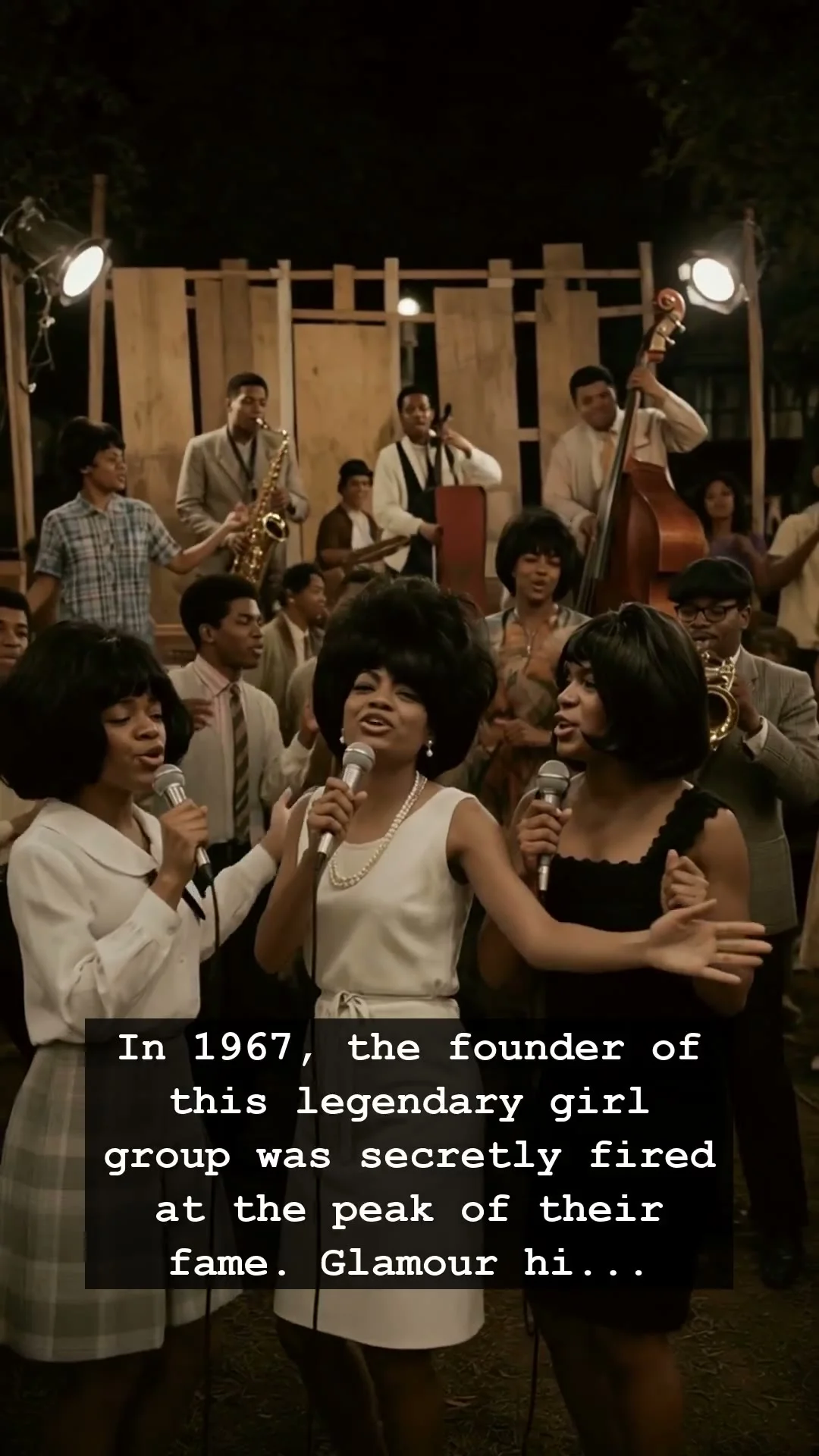
The year was 1967. The world was dancing to the infectious, polished sounds of Motown, and The Supremes were the undeniable queens of the airwaves. With their matching sequined gowns, impeccably choreographed steps, and chart-topping hits like Stop! In the Name of Love, they seemed to embody the American Dream. Yet, behind the bright lights of the television sets and the hum of the hit-making Jukebox, a cold, calculated silence was unfolding. Florence Ballard, the woman who had founded the group in a Detroit housing project, was about to be erased from the very empire she helped build.
Florence Ballard was the original driving force of the Primettes, the group that would eventually become the legendary Supremes. Her soulful, powerful voice was the backbone of their early success, but as the Motown machine began to pivot, the internal dynamics shifted. Berry Gordy, the mastermind behind the label, saw Diana Ross as the face of the group’s mainstream potential. As the fame grew, the pressure became stifling. The glamour of the era, defined by high-fashion aesthetics and the rise of crossover pop, demanded perfection, and unfortunately, Florence Ballard was deemed an obstacle to that carefully curated image.
The betrayal was swift and devastating. In the middle of their climb to global superstardom, Florence was fired. It was not a respectful transition; it was an abrupt exile. While the public saw three women smiling on stage, the reality behind the curtain was a fractured sisterhood and a bitter corporate maneuver. She was replaced, her contributions were minimized, and the narrative was rewritten to suit the label’s vision. For Florence, the exit was not just a career setback; it was the beginning of a downward spiral that stripped her of her identity and her share of the success she had poured her heart into.
Looking back from the vantage point of today, the story of Florence Ballard serves as a haunting reminder of the darker side of fame. In the 1960s, the music industry was a brutal playground where human lives were often treated as expendable assets. The brilliance of Motown was undeniable, but the cost of that golden era was often paid in blood and broken dreams. We listen to these songs now with a sense of nostalgia for a simpler time, yet we must acknowledge the shadows cast by the artists who were pushed out of the frame.
Florence Ballard eventually passed away in 1976, largely in poverty, long before she could see her legacy reclaimed by history. Her story remains a vital piece of the Motown tapestry, a tragic counterpoint to the glitz and glamour that defined an entire generation. When you hear the opening notes of a Supremes classic, take a moment to listen for the woman who started it all. History may have tried to silence her, but her voice still echoes in the rhythm of the soul.