
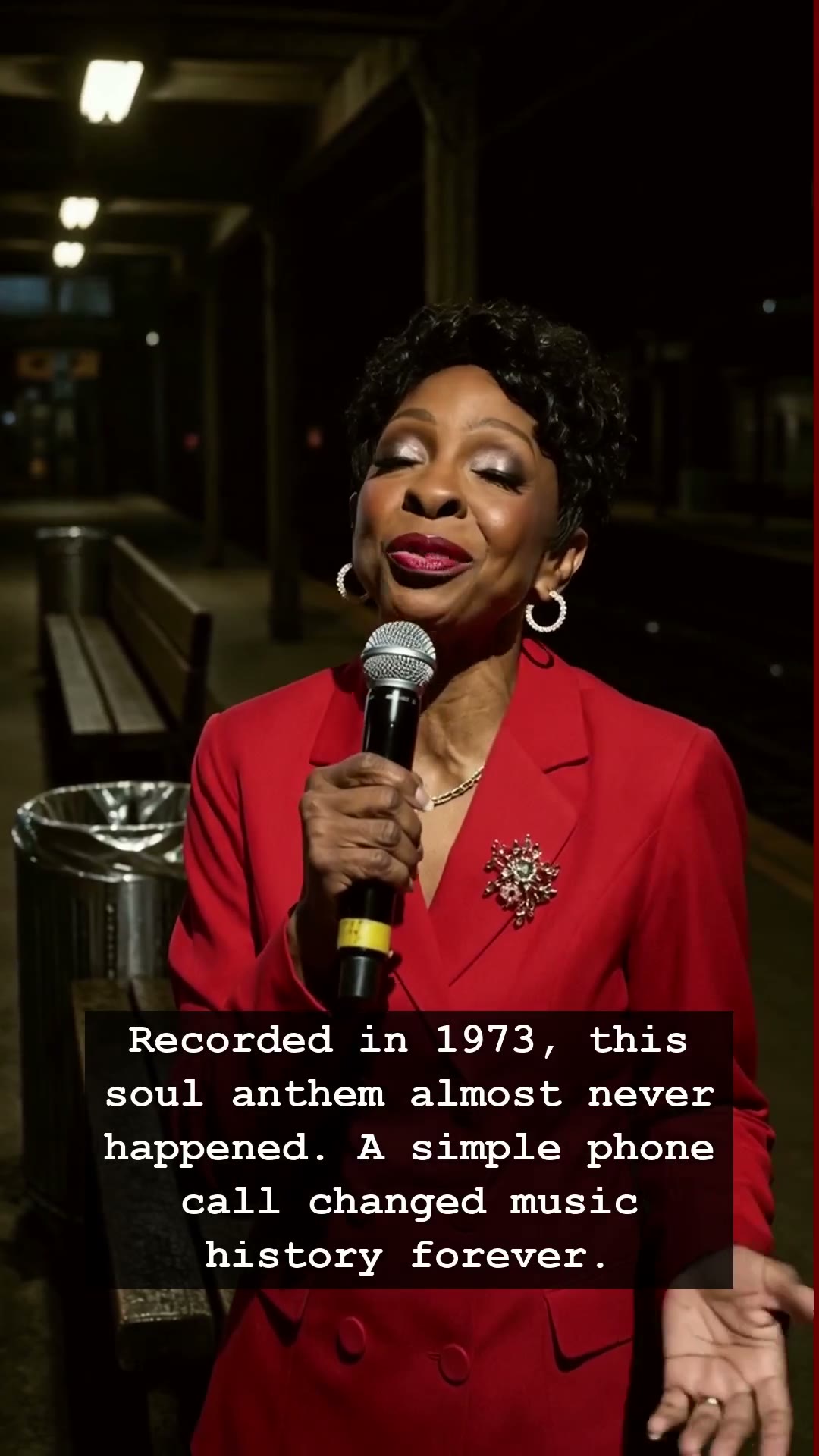
The year was 1973, and the airwaves were humming with the slick, sophisticated sounds of early disco and the raw, rhythmic pulse of Motown soul. It was a time of Jukebox dreams and vinyl revolutions, yet one song stood on the precipice of obscurity. Gladys Knight, the Empress of Soul, was handed a demo that felt slightly off, a track titled Midnight Train to Houston. It was a perfectly functional tune, but it lacked the seismic emotional gravity that defined the golden age of American music. It was a simple, fateful phone call that shifted the trajectory of a masterpiece, changing the destination from Texas to Georgia and cementing the song as an eternal anthem of love and longing.
At the time, Gladys Knight and the Pips were riding a wave of fame, yet they were hungry for a track that could bridge the gap between gospel-infused roots and mainstream pop appeal. When Jim Weatherly, the songwriter, heard that Gladys Knight wanted to record his song, he was ecstatic, but the lyrical shift was essential. The journey to Georgia wasn’t just a geographical change; it was a soulful recalibration. When Gladys Knight stepped into the studio, she didn’t just sing the lyrics; she inhabited the weary, hopeful spirit of the protagonist. The result was a groove so authentic and a performance so visceral that it captured the hearts of a nation, quickly scaling the charts and becoming the definitive sound of 1973.
Behind the polished production of the Motown era, the studio was a pressure cooker of ambition and creative tension. Musicians were constantly chasing the next big hit, often working until the early hours of the morning under the hum of neon signs and the haze of cigarettes. For Gladys Knight, the success of this track was a testament to her unique ability to infuse grit into melody. While the world was caught up in the evolving cultural landscape of post-Woodstock America, Gladys Knight provided the grounding force, delivering a vocal performance that felt like a conversation with an old friend. The song became a cultural touchstone, echoing through the halls of radio stations and into the living rooms of families listening to the radio with their Walkman headsets or local record players.
Decades later, the resonance of this track has not faded. It remains a staple of soul music, a reminder of a time when songs were built on genuine human connection rather than manufactured perfection. The story of its creation—the near-miss with the Houston lyric and the instinctual decision to switch gears—remains one of those legendary music business myths that happen to be entirely true. It illustrates the delicate balance of chance and talent that defines the history of the industry.
Today, when those opening notes begin to play, they transport listeners back to a simpler era of rhythm and blues. Gladys Knight didn’t just record a song; she etched a memory into the collective consciousness of a generation. Whenever you hear the iconic rhythm, take a moment to appreciate the voice that carried the midnight train all the way to its rightful home, forever changing the landscape of American soul.