
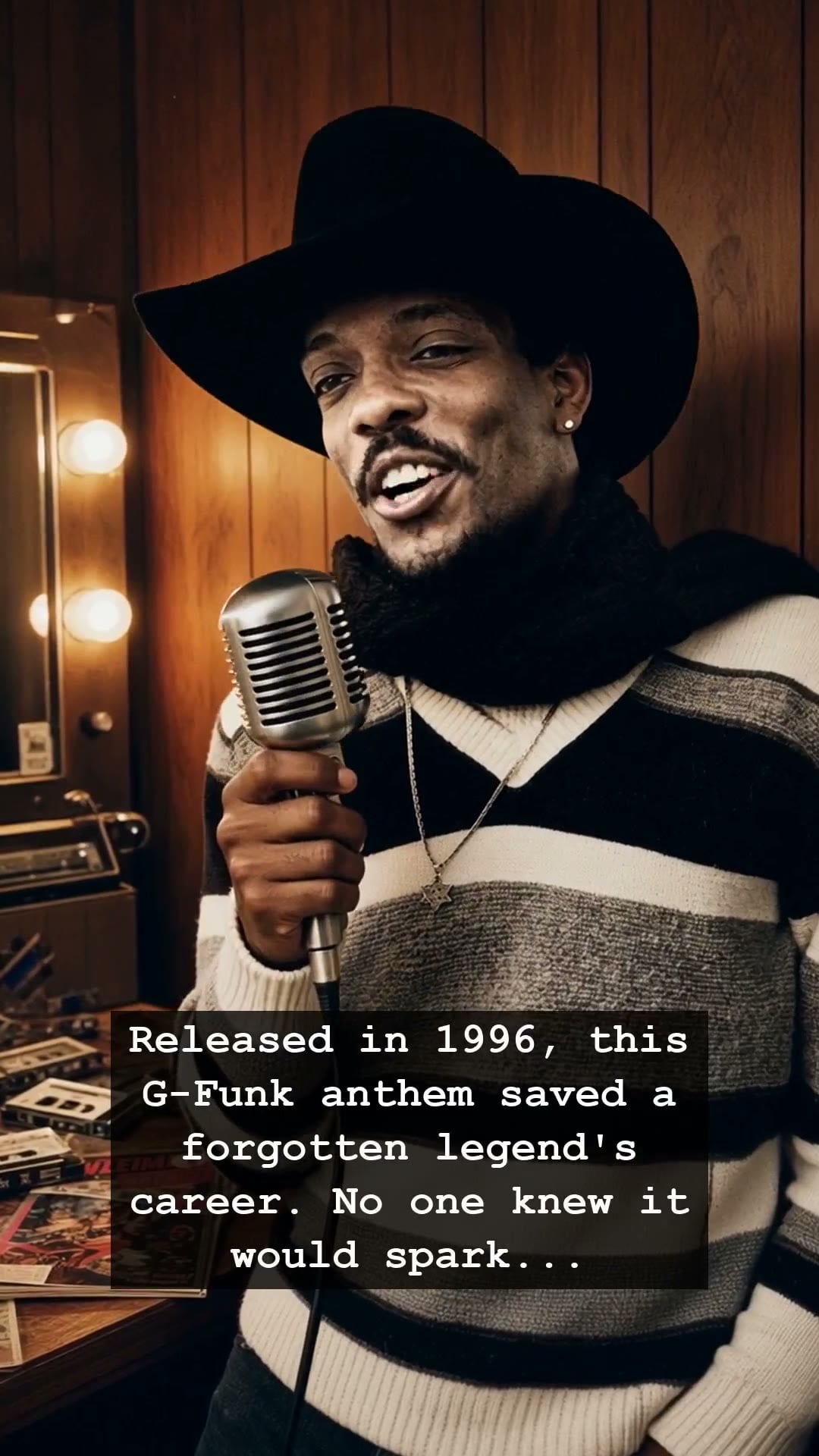
It was 1996, the golden age of G-Funk, and the airwaves were thick with the rolling, synthetic basslines that defined a generation. In the heart of Los Angeles, a legend was fading into obscurity. Charlie Wilson, the powerhouse voice behind The Gap Band, had once commanded stages and set the rhythm for the disco and funk era of the late 70s and early 80s. But by the mid-90s, the man who defined the sound of funk had lost his way in the shadows of addiction and industry indifference. He was a forgotten icon, wandering through the streets of California, waiting for a spark that seemed like it would never come.
Enter Snoop Dogg, the crown prince of West Coast rap, who stood at the center of the 90s hip-hop explosion. While the world saw a rap superstar, Snoop saw a hero. He knew that the gritty, high-octane energy of G-Funk was built on the foundation of the funk legends who came before him. When Snoop reached out to Charlie Wilson, it wasn’t just a studio collaboration; it was a lifeline. Snoop saw the soul trapped behind the struggle and decided to bridge the gap between two generations of black music history, dragging Charlie Wilson out of the abyss and back into the spotlight where he belonged.
The result was a masterclass in musical synergy. When Charlie Wilson lent his unmistakable, gravelly soul vocals to the tracks produced under Snoop Dogg, it didn’t just feel like a guest feature; it felt like a resurrection. This partnership revitalized the G-Funk aesthetic, infusing it with a level of authenticity that only a veteran like Wilson could provide. For fans of the era, listening to these records felt like hearing a conversation between the analog warmth of a 70s vinyl jukebox and the crisp, aggressive punch of 90s digital production. It was a cultural pivot point that proved true soul music never really dies; it just waits for the right beat to bring it home.
This comeback was more than just a momentary chart success; it was a poignant reminder of the fragility of fame. Charlie Wilson had gone from selling out arenas to battling the dark side of the music industry’s revolving door. But the grit he brought to the studio—born from those years of hardship—added a depth to Snoop Dogg’s music that shifted the landscape of rap. It created a timeless bridge, ensuring that the legacy of funk would continue to pulse through the veins of modern hip-hop long after the MTV era had faded away.
Today, when we look back at that 1996 soundscape, we are reminded that legends are rarely finished. They are simply waiting for someone to hear their story again. Charlie Wilson didn’t just return; he reinvented his career, proving that even after the darkest nights, a well-placed groove can reignite a fire. As we spin these tracks today, we aren’t just listening to music; we are celebrating the endurance of an icon who found his voice again through the power of brotherhood. Does that G-Funk bass still make you feel like you’re cruising down the Pacific Coast Highway?