
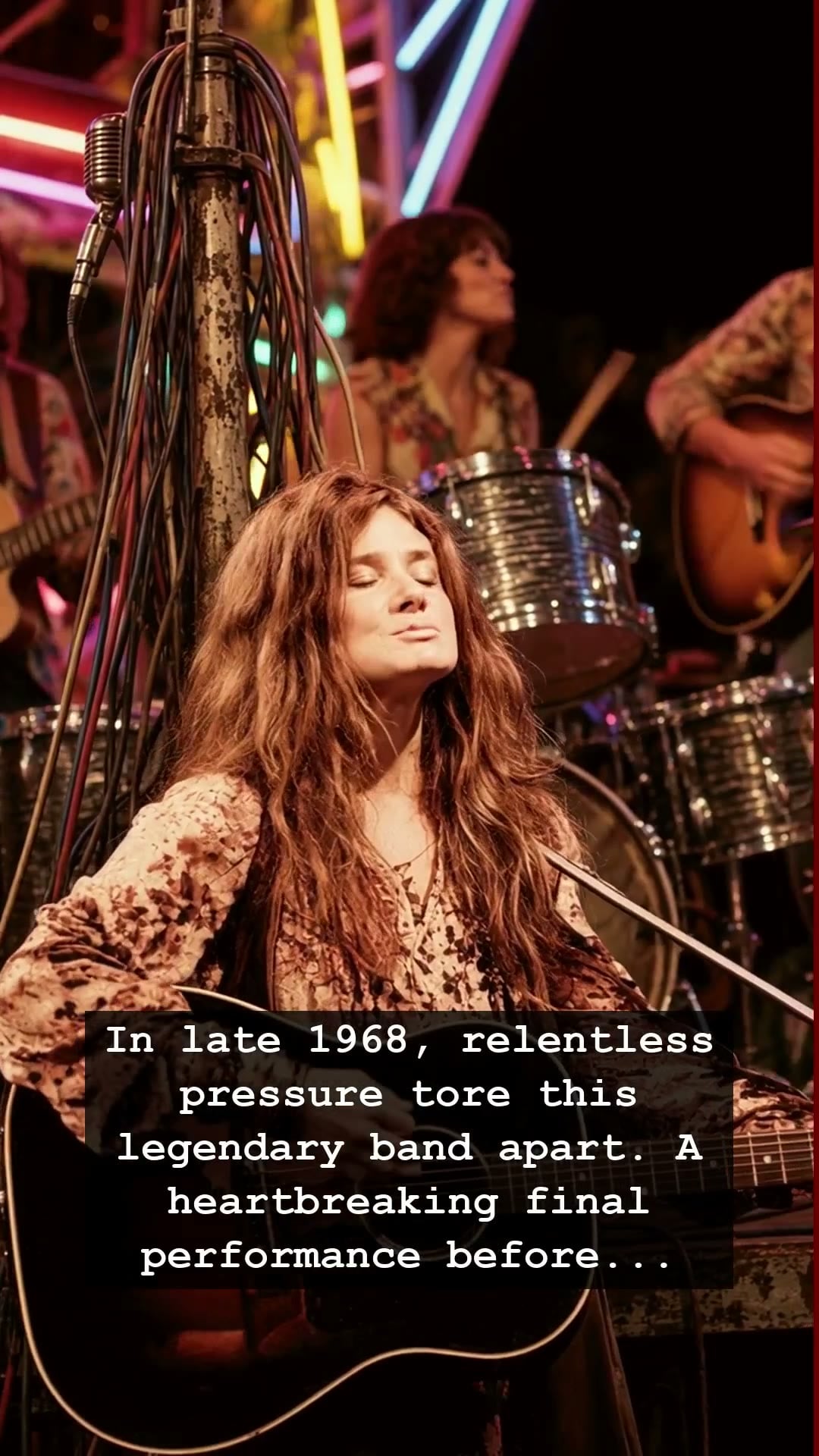
The year was 1968, and the air in San Francisco still tasted like revolution and patchouli. Yet, behind the haze of the psychedelic era, the walls were closing in on one of rock’s most explosive collaborations. Big Brother and the Holding Company had become a symbol of the counterculture, a raw, untamed force that defined the sound of the Haight-Ashbury scene. But as the lights of the concert halls dimmed, the pressure of a meteoric rise began to shatter the band from the inside out. By the time they reached that final, haunting performance, the music was no longer a celebration—it was a eulogy for a dream that had become too heavy to carry.
Janis Joplin, with her voice like shredded velvet and raw lightning, was always destined to outgrow the limitations of the group. The relentless tension between the band’s communal spirit and the industry’s hunger for a singular star created an environment thick with resentment and exhaustion. Behind the scenes, managers pushed for more profit while the members of Big Brother and the Holding Company struggled to maintain their artistic integrity. The glamour of the era, the late-night sessions fueled by amphetamines, and the crushing weight of public expectation turned their rehearsal rooms into battlegrounds. It was a classic tale of creative friction turning into a slow-motion car crash.
On that final night in late 1968, the atmosphere was suffocatingly heavy. As she stepped up to the microphone, Janis Joplin did not just sing; she wept. Each note was a jagged piece of a broken heart, a visceral realization that the chemistry that had ignited the Summer of Love was now permanently extinguished. She moved through the lyrics with a haunting desperation that silenced the crowd. For those lucky enough to witness it, it was clear that an era was dying in real-time. She was walking away, leaving the comfort of her bandmates to face the terrifying, lonely heights of solo superstardom.
Looking back, the collapse of Big Brother and the Holding Company serves as a poignant reminder of the price paid for legendary status. The 1960s were not just about Woodstock and sunshine; they were about the messy, human reality of people trying to find themselves in the midst of global change. The band was a lightning rod for the era’s intensity, capturing the chaos of a generation that refused to play by the rules. Their music remains a testament to that turbulent time, a relic of a world where sound was meant to shake the very foundations of society.
Even today, the legacy of Janis Joplin and her brothers in arms continues to echo through the halls of rock history. We listen to those scratchy, distorted recordings and hear more than just music; we hear the friction of human souls colliding. It is a story of ambition, heartbreak, and the inevitable passage of time. As the dust settles on the remnants of that psychedelic revolution, we are left to wonder what might have happened had the pressure not been quite so intense. Perhaps some stars are simply meant to burn out, leaving behind only the beautiful, lingering smoke of a legend that refuses to fade.