
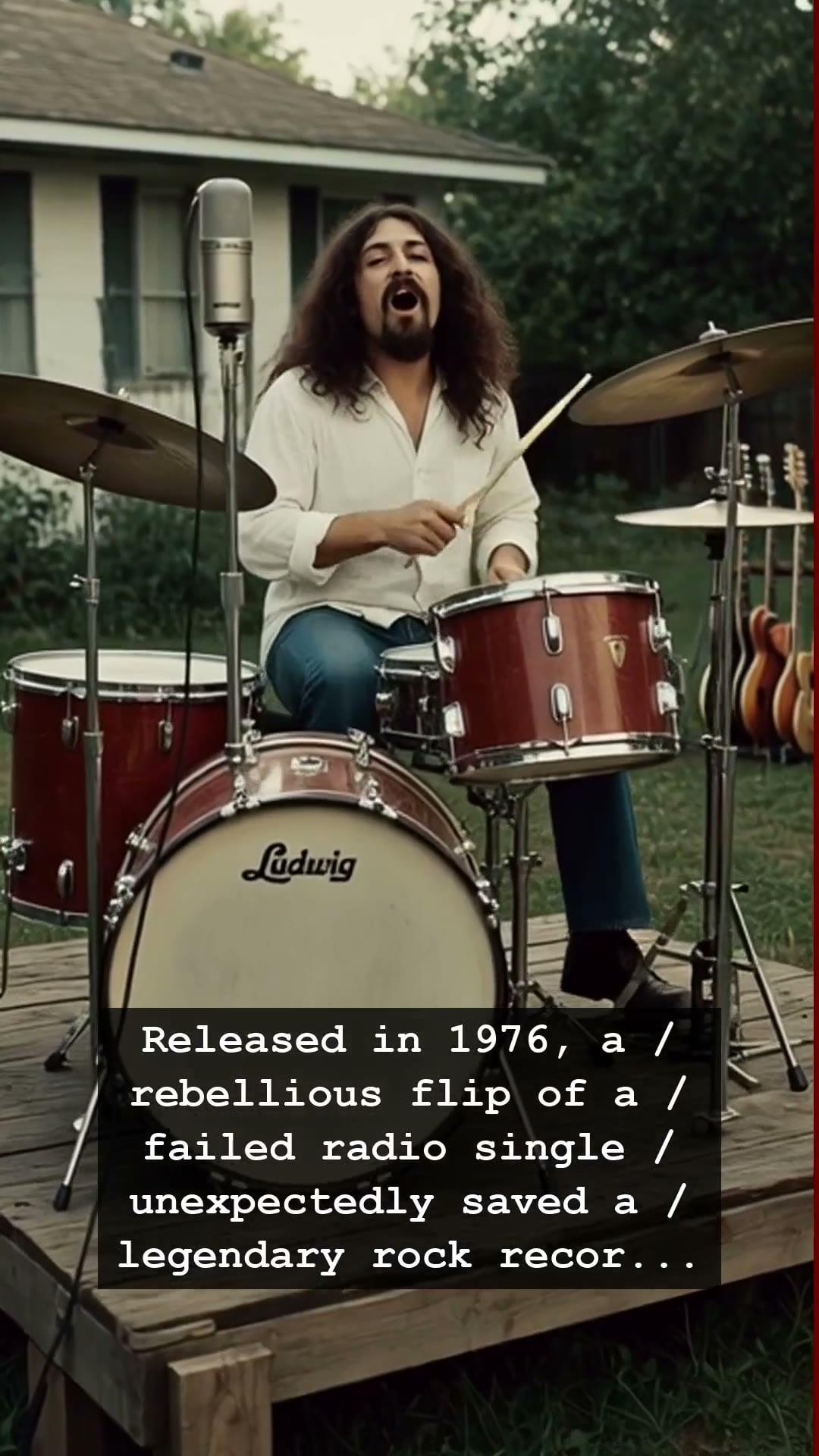
It was 1976, and the world of arena rock was reaching a fever pitch. In the neon-soaked haze of the decade, the band Kiss was already becoming a global phenomenon, defined by their elaborate makeup, pyrotechnics, and the sheer audacity of their live performances. They were the kings of the stadium circuit, yet their label was desperate for a radio-friendly hit to solidify their status. When they dropped their album Destroyer, they were aiming for a hard-hitting masterpiece, but the industry executives were skeptical. Tucked away on the B-side of a failed single sat a haunting, piano-driven ballad that almost never saw the light of day. It was a song called Beth, a track that would eventually define a generation of power ballads.
The story of Beth is the stuff of rock and roll legend, born from a moment of creative rebellion. The song was originally written by drummer Peter Criss with his bandmates Stan Penridge and Bob Ezrin. At the time, it was deemed too soft, too vulnerable, and completely out of character for the fire-breathing, blood-spitting icons that were Kiss. The band didn’t even want it on the album, let alone promoted as a single. It was relegated to the background, a mere afterthought that the executives pushed aside in favor of louder, harder-edged tracks that fit the expected persona of the band. It seemed destined to be buried in the archives of music history, just another forgotten track on a vinyl record.
Then, something cinematic happened. A rebellious radio DJ, sensing the raw, aching honesty in Peter Criss’s voice, decided to flip the record. Instead of playing the A-side track mandated by the label, he spun the B-side. The phone lines at the radio station lit up like a Christmas tree. Listeners were captivated by the melancholic piano and the relatable tale of a musician torn between his life on the road and the woman waiting for him at home. That single act of defiance transformed Beth from a rejected B-side into a chart-topping sensation, reaching number seven on the Billboard Hot 100 and becoming the band’s highest-charting single ever.
Looking back, Beth serves as a poignant reminder of the tension between commercial art and creative impulse in the seventies. It was an era where the Jukebox was king and the Walkman was just beginning to change how we consume music. This song managed to bridge the gap between the aggressive, leather-clad world of hard rock and the delicate, introspective longing of the classic pop ballad. It proved that sometimes the most authentic moments in music history are the ones that management never saw coming.
Even decades later, the legacy of Beth persists. It stands as a testament to the fact that vulnerability in music is a superpower, not a weakness. For those who grew up in the era of arena rock, the song evokes a specific, bittersweet nostalgia for a time when records were spun with care and radio DJs were the ultimate tastemakers. As the piano notes fade out in our collective memory, we are reminded that sometimes, the best stories are the ones hidden on the flip side, waiting for the right person to take a chance on a different sound.