
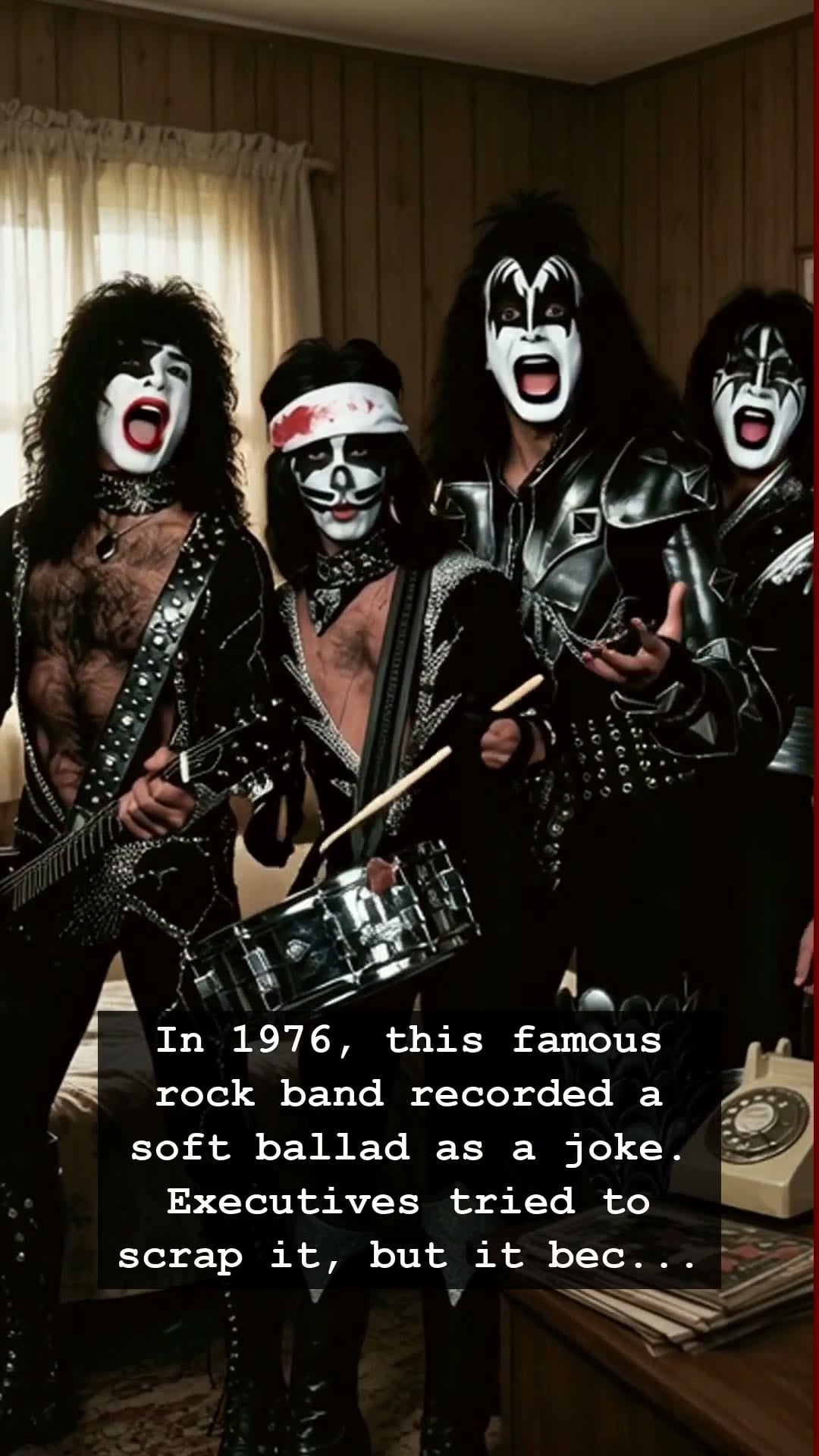
In 1976, the world of rock and roll was a powder keg of excess, leather, and greasepaint. Kiss, the masked crusaders of heavy rock, were staring into the abyss of bankruptcy. Their flamboyant stage shows, featuring pyrotechnics and blood-spitting, had drained their coffers to the point of extinction. They were a band built on the thunder of distorted guitars and the raw energy of arena rock, yet they were gasping for air. Then, in a moment of cynical mockery, they decided to record a soft piano ballad as a joke, a cynical nudge-and-wink at the radio-friendly schmaltz dominating the charts of the mid-seventies. Little did they know, they were writing their own salvation.
The song was Beth. It was a stark departure from the bombastic anthems that defined the Kiss aesthetic. While the band wanted to project an image of invincibility and shock, the recording process for their album Destroyer was turning into a logistical nightmare. The executives at Casablanca Records were cold to the idea, viewing the ballad as an aberration that threatened to alienate the die-hard fans who had grown accustomed to the grit of tracks like Deuce. They nearly scrapped the session entirely, dismissing the emotional vulnerability of Peter Criss as an unmarketable experiment. It was a clash of egos and commercial strategy, a classic battle between raw artistic instinct and the suit-and-tie pressure of the music industry.
Yet, the song lived on. When it was finally released as a B-side, it didn’t take long for the listeners to reclaim it. Radio DJs across America began flipping the record, choosing the heartfelt, melancholy piano melody over the raucous lead single. Suddenly, the masked rockers were showing a human side that resonated deeply with a generation weary of the constant intensity of the era. Beth climbed the charts with a life of its own, reaching number seven on the Billboard Hot 100. It transformed Kiss from a mere cult phenomenon into household names, injecting the necessary capital into their failing accounts and allowing them to continue their quest for rock immortality.
Looking back, the success of Beth remains one of the most ironic chapters in the history of rock and roll. It was never intended to be a masterpiece, but it became the anchor that kept the Kiss ship from sinking during their most turbulent period. It serves as a reminder of how fickle the industry can be; an accidental hit often carries more weight than a calculated attempt at stardom. For those who spent their nights huddled around a jukebox or catching the band’s legendary sets on a grainy television broadcast, the song remains a bittersweet staple.
Today, the legacy of that piano ballad continues to haunt the history of the band. It captures the tension of 1976 perfectly, a time when the lines between genuine artistry and marketing ploys were constantly blurring. Whether you love them for the greasepaint or the grit, you cannot deny that this accidental hit altered the trajectory of music history forever. It was the joke that got the last laugh, leaving an indelible mark on the decade that defined a generation.