
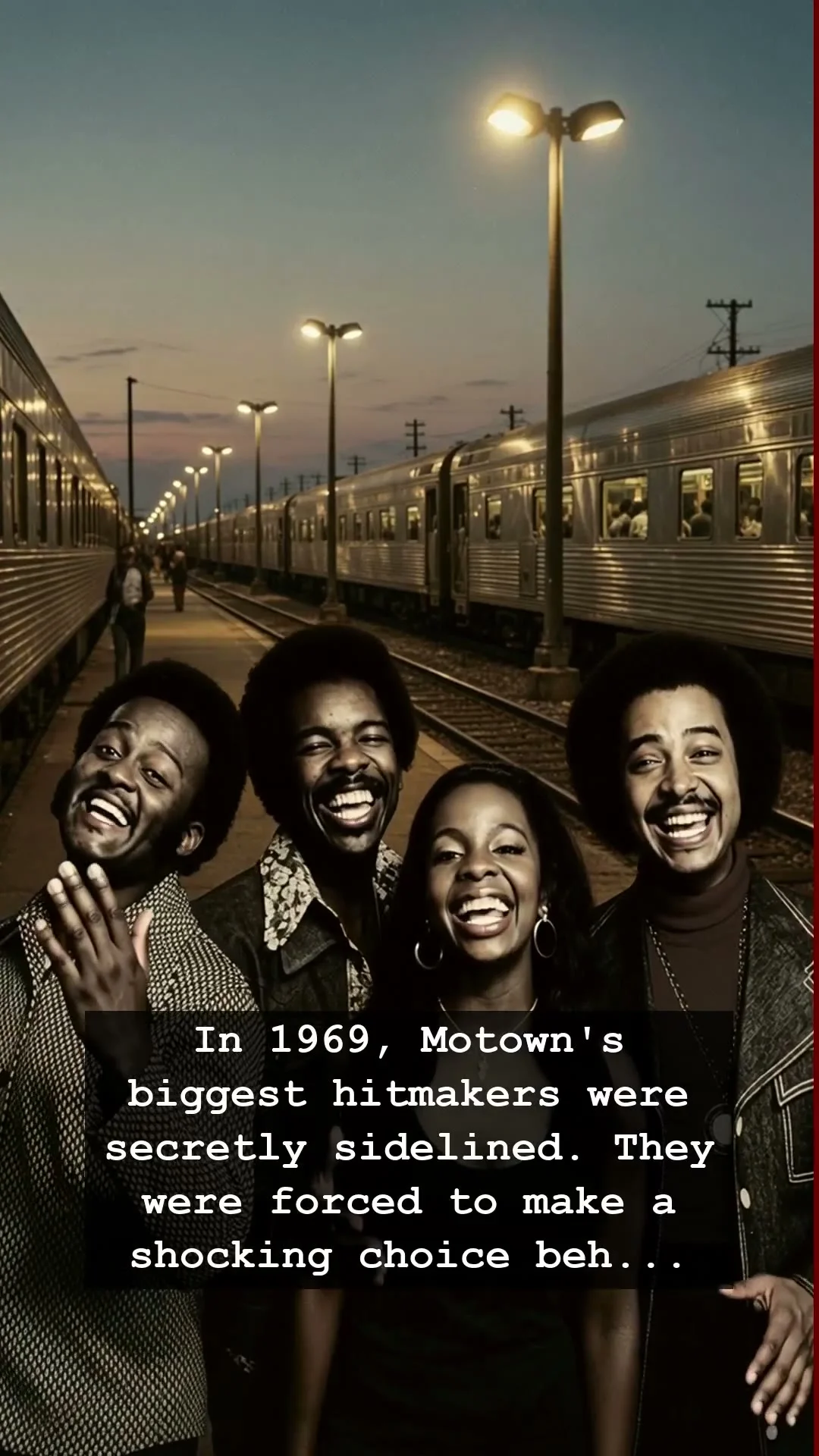
It was 1969, and the golden glow of the Motown machine seemed untouchable. The air was thick with the scent of hairspray and expensive cologne at the Hitsville U.S.A. studio, where every note felt like a golden ticket to global stardom. Yet, for Gladys Knight and the Pips, the music was turning sour. They were hitmakers, the voices behind the chart-topping sound that defined a generation, but behind the closed doors of executive suites, they were being treated like placeholders. While the label poured its resources into rising sensations, the Empress of Soul and her talented family were being systematically pushed into the shadows, their creative autonomy stifled by the very system they helped build.
To understand the gravity of their choice, one must recall the era. This was a time when the Jukebox was the heartbeat of every corner diner and the radio served as the primary connection to the pulse of American culture. Gladys Knight and the Pips were not just a group; they were a powerhouse of vocal precision and soulful storytelling. However, even the most polished performances couldn’t hide the internal fractures. Motown was a pressure cooker of ambition, and in the race for the next big hit, established legends often found themselves discarded if they didn’t fit the latest manufactured mold. The frustration was palpable, turning the group’s legendary stage chemistry into a desperate, silent countdown to departure.
Behind closed doors, the discussions were frantic and deeply personal. Gladys Knight and the Pips realized that their trajectory was being hijacked by label politics that prioritized singular interests over their collective artistic legacy. The decision to walk away from Motown was not just a business move; it was an act of survival. In an industry defined by the ruthless churning of talent, choosing to reclaim their autonomy was a gamble that could have ended their careers. They were essentially betting on their own raw talent against the immense marketing machinery that had defined their identity for years.
This period of secrecy and mounting tension highlights the darker reality of the Motown era—a world that looked like a glamorous party from the outside but was often a cold, calculated boardroom on the inside. When the truth finally surfaced that they were ready to jump ship, it sent shockwaves through the industry. It was a bold declaration that true soul could not be contained by a contract or a corporate agenda. They refused to be the background noise in someone else’s success story.
Today, the story of Gladys Knight and the Pips remains a testament to the power of artistic integrity. Their departure paved the way for them to achieve even greater heights, proving that the bond between artists is stronger than any label’s ego. As we look back at the vinyl-dusted memories of the late sixties, we aren’t just listening to the songs; we are hearing the triumph of a group that dared to walk away from a gilded cage to find their own voice.