
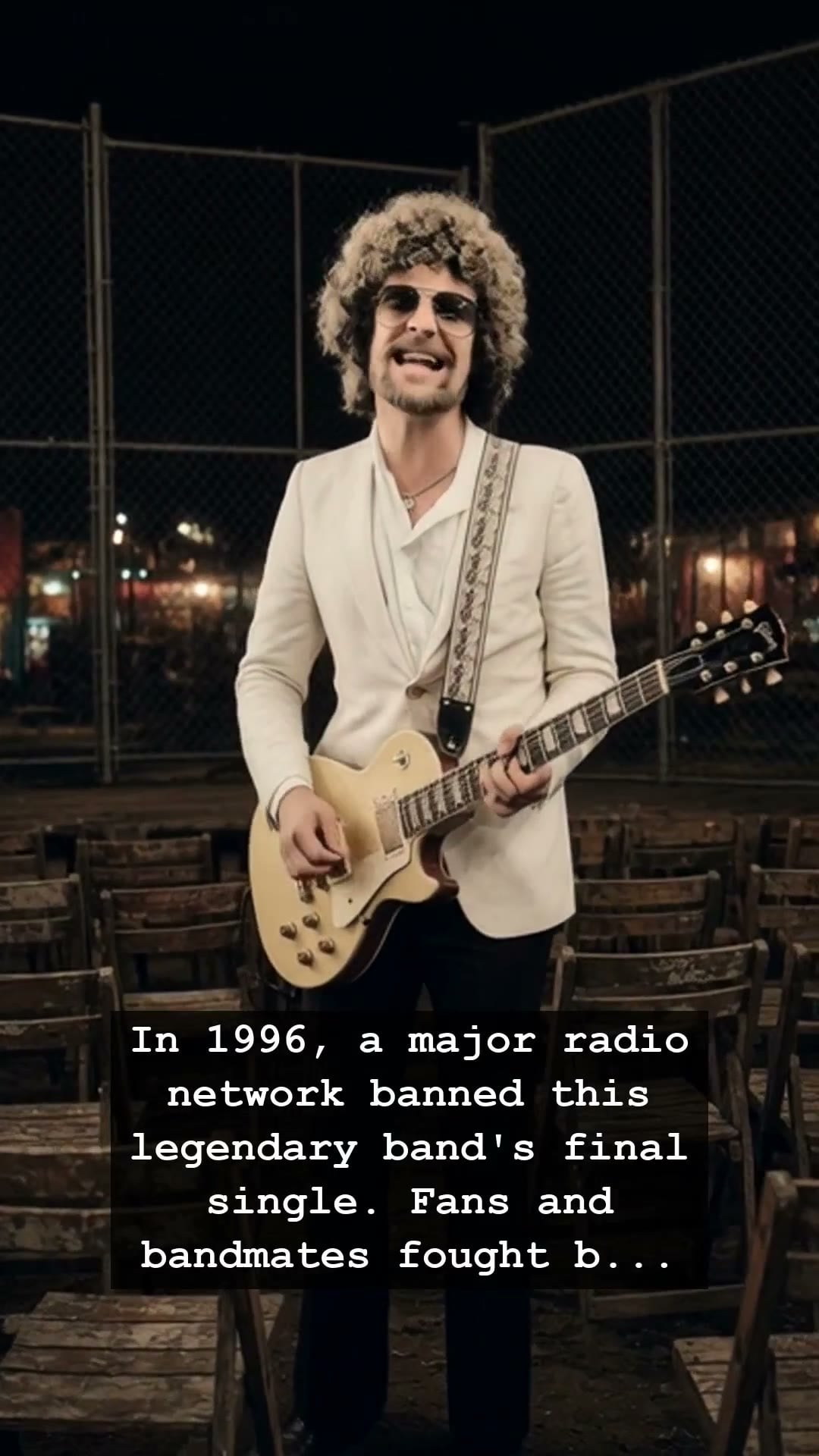
It was 1996, a year defined by the dawn of the digital age, yet the airwaves were still haunted by ghosts of the past. Imagine a world where, despite the massive cultural shadow of The Beatles, a major radio network dared to impose an absolute blackout on the group’s highly anticipated reunion single, Free as a Bird. It felt like an act of musical sacrilege. To millions of fans who grew up clutching their Walkmans and spinning vinyl records, this wasn’t just a song; it was a miraculous resurrection, a haunting melody that bridged the gap between the psychedelic sixties and a rapidly changing modern landscape. But for reasons that remain as controversial today as they were then, the industry attempted to silence the Fab Four one last time.
The drama began as the remaining members of The Beatles—Paul McCartney, George Harrison, and Ringo Starr—reunited in the studio to complete unfinished demos left behind by John Lennon. The result was a melancholic, ethereal track that carried the weight of history and the ache of nostalgia. When it hit the airwaves, the response should have been a universal celebration of musical history. Instead, the sudden radio boycott ignited a firestorm. Listeners were outraged, flooding stations with letters and calls, demanding to know why a song featuring the unmistakable voice of a late legend was being treated like contraband. Paul McCartney was among the most vocal defenders, viewing the ban as an insult not just to the band’s legacy, but to the very fans who had grown up alongside their evolution from the Liverpool clubs to the global stage.
Looking back, this incident feels like the final skirmish in the battle between the aging giants of classic rock and a corporate music industry obsessed with trends. The industry execs claimed the song didn’t fit the ‘modern’ format of the mid-nineties, a flimsy excuse that failed to account for the deep, emotional connection fans had with the John Lennon-led track. It was a cold, calculated move against the warm, organic soul that defined the band’s career. For those of us who remember the era of MTV and the fading influence of the local Jukebox, it was a moment that underscored a jarring shift in how culture was being curated and controlled.
The tension surrounding the Free as a Bird release reflects the dark side of fame and the constant friction between artistic intent and commercial gatekeeping. It serves as a stark reminder that even the most celebrated icons are not immune to the cold hands of industry politics. Decades later, the song stands as a testament to the resilience of The Beatles. Despite the blackout, the music outlived the gatekeepers. It remains a poignant, fragile piece of history that continues to echo in our hearts, reminding us that true legends can never be fully silenced by a dial turn.