
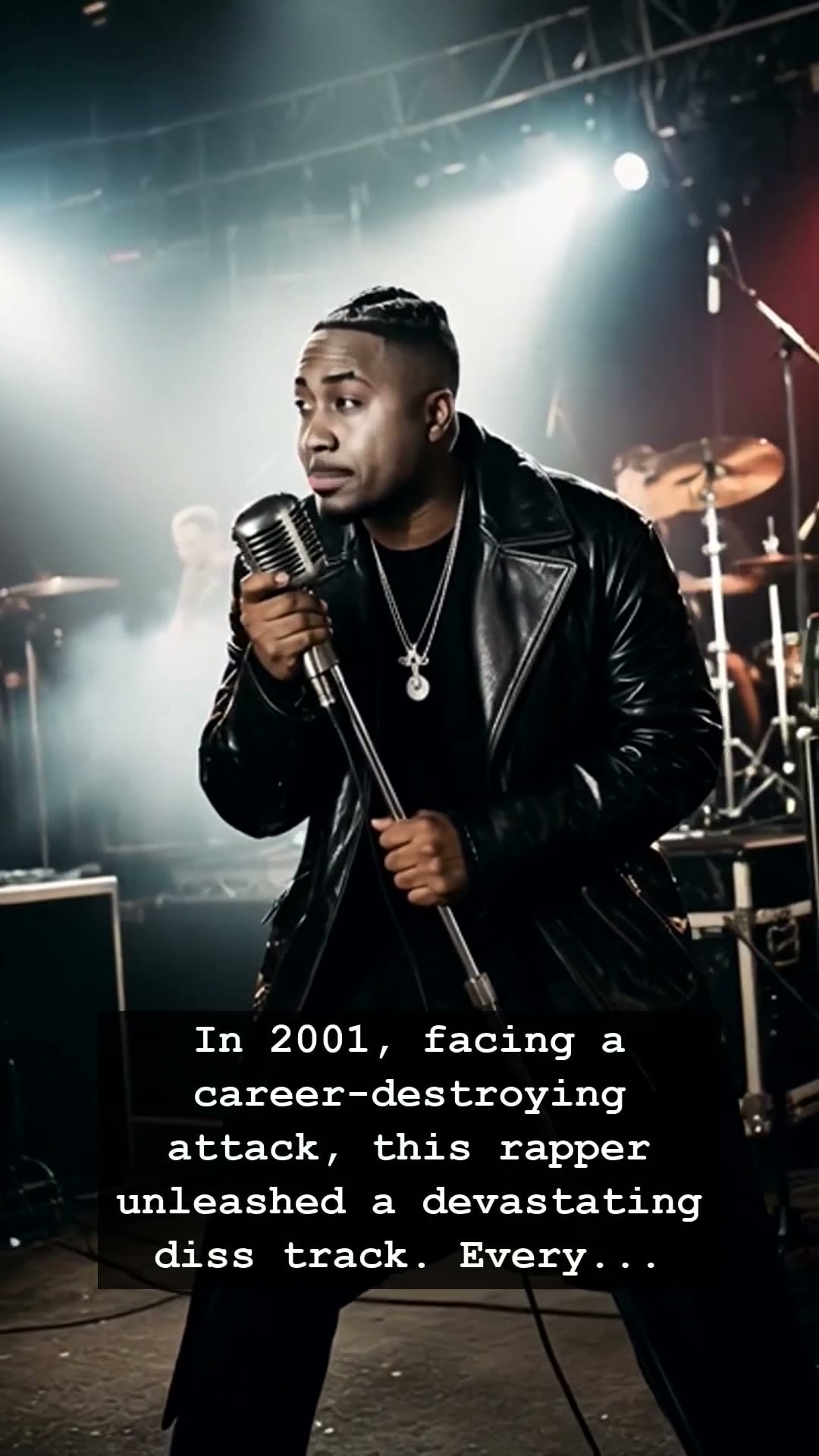
In the sweltering summer of 2001, the world of hip-hop was bracing for a funeral. Critics and industry insiders alike were convinced that the career of Nas, the poetic prophet from the Queensbridge projects, had reached a terminal dead end. His rival, Jay-Z, had just delivered a scathing live performance of Takeover at Summer Jam, effectively mocking Nas with photos projected on the big screen. The industry smelled blood in the water. For most, this would have been the final curtain call, the moment where a legend bows out under the weight of a public humiliation that felt impossible to overcome. Yet, Nas did not disappear into the shadows of the fading golden age of music. Instead, he retreated into the studio and crafted a lyrical weapon that would scorch the earth of rap music forever.
That weapon was called Ether. When the track dropped, it wasn’t just a song; it was a cultural tremor that rattled the foundations of the hip-hop establishment. The production was haunting, a dark, minimalist soundscape that felt like a descent into the deepest corners of a bitter urban feud. Nas didn’t just rap; he unleashed four minutes of pure, unadulterated fury that stripped away the armor of his opponent. It was raw, it was visceral, and it was undeniably authentic. In an era before the internet dominated every aspect of our lives, the word of mouth spread like wildfire through the streets. People were huddled around their radios and CD players, rewinding the track just to catch every sharp-edged bar, every stinging insult, and every layer of lyrical complexity that Nas packed into those four minutes.
To understand the magnitude of this moment, one must remember the landscape of the early 2000s. We were transitioning from the analog warmth of the cassette tape and the jukebox to the burgeoning digital dawn of the iPod. The tension between the East Coast and the West Coast had already left deep scars on the industry, and the rivalry between these two titans felt like the ultimate test of survival. The drama was not just about bragging rights; it was about the soul of the genre. Nas stood at the precipice, staring down a narrative that sought to relegate him to the past. Instead, he proved that true artistry is not just about the hits you churn out, but about the resilience you show when the world expects you to fail.
Looking back, Ether remains one of the most pivotal turning points in music history, a masterpiece of conflict that solidified the status of Nas as a titan who could not be silenced. It captured the raw energy of a man fighting for his legacy, transforming personal vendetta into a classic piece of art. This wasn’t just about a beef between two rappers; it was a masterclass in storytelling and lyrical dexterity that resonated far beyond the confines of Queensbridge. Even now, hearing those opening notes sends a chill down the spine of any true hip-hop aficionado who remembers where they were when the track first hit the airwaves.
Decades later, the legacy of Nas continues to endure, serving as a reminder that the most compelling stories are often forged in the fires of adversity. While the industry has changed and the tools of production have evolved, the power of a genuine voice remains untouchable. The clash that nearly destroyed him ended up being the very thing that immortalized him. It is a testament to the fact that when the pressure is at its absolute highest, the legends don’t just break—they rewrite the entire script.